
Pip: Welcome to The Fabulous Scientist — where geology, energy, and the quiet hope that a child picks up a rock and asks why all apparently converge in one building in BGC.
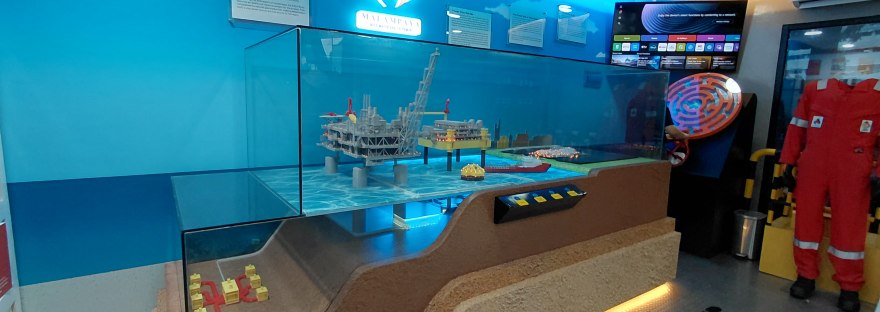
Mara: fabulousgrass has a piece this week about the new Energy Museum being developed by the Philippine Department of Energy, and what it means for science education in the country. Let's start with how a simple donation idea turned into something much bigger.
Energy Museum at the Department of Energy — A Look Forward
Pip: The setup here is almost accidental — a geologist asks about donating rock samples to a university museum, and somehow ends up helping build a national energy exhibit. That gap between "small idea" and "government museum pod" is worth examining.
Mara: The post traces exactly that arc. The context is a conversation with a Community Relations officer, and the timing landed perfectly: "The company had just been invited to participate in the new Energy Museum that the Philippine Department of Energy is developing, and she was about to ask our team for technical assistance in creating our exhibit."
Pip: So the ask and the opportunity arrived at the same moment. That's the kind of coincidence that only works if you were already paying attention — already thinking about indigenous Philippine oil samples sitting next to a Saudi Arabian one in a university display case.
Mara: That original idea is worth holding onto. The National Institute of Geological Sciences at UP Diliman already had an oil sample on display, but it came from Saudi Arabia. The point was that students deserved to see oils and reservoir rocks sourced from Palawan — from their own country's geology.
Pip: There's something quietly pointed about that. The Philippines produces its own oil and natural gas, and a child could walk through a geology museum without ever learning that.
Mara: The post is careful about credit — describing the final exhibit as a collaborative effort and putting personal contribution at roughly ten percent. What drives the piece isn't ownership; it's the imagined future visitor. The closing line frames it directly: "If this museum encourages even one child to ask, 'How does that work?' or 'I want to become a geologist someday,' then every hour spent planning, designing, and building these exhibits will have been more than worth it."
Pip: That's the real exhibit — not the rocks, but the question the rocks are supposed to trigger.
Mara: The museum also features pods dedicated to wind, solar, and geothermal energy, plus a microscope display with rock thin sections prepared by DOE geologists. The full opening hasn't happened yet — the post covers a dry run with DOE officials — but the anticipation is palpable.
Pip: Science communication that actually waits for the doors to open before spoiling the surprise. Refreshing.
Mara: The throughline here is curiosity as infrastructure — building the spaces where the next question gets asked.
Pip: And apparently it starts with wondering why the only oil sample in the room came from somewhere else. More from The Fabulous Scientist next time.
Discover more from The Fabulous Scientist
Subscribe to get the latest posts sent to your email.


