A few months ago, I reached out to one of our company’s Community Relations officer with a simple idea: would it be possible to donate oil and rock samples to my former institute at the University of the Philippines Diliman?
The National Institute of Geological Sciences houses a humble but fascinating geology museum filled with fossils, minerals, rocks, geohazard exhibits, and even a large diorama illustrating offshore seismic exploration and the subsurface geology that makes oil and gas discoveries possible. While the museum already had an oil sample on display, it happened to come from Saudi Arabia. I thought, Wouldn’t it be wonderful if students could also see indigenous oils obtained right here in the Philippines, together with the reservoir rocks from Palawan where it originated?
As it turned out, my timing couldn’t have been better.
Our main community relations officer said I had asked at exactly the right moment. The company had just been invited to participate in the new Energy Museum that the Philippine Department of Energy is developing, and she was about to ask our team for technical assistance in creating our exhibit.
Without hesitation, I volunteered.
That unexpected conversation led me to become our team’s technical representative, working alongside our Marketing and Branding team to help tell the story of our company through geology, energy, and science. It was one of those rare opportunities where my passion for geology, science communication, and education all came together.
To be clear, I can’t take credit for the incredible exhibit the team was able to put up in our pod within limited timeframe. It was truly a collaborative effort involving many talented people, and I’d say I probably contributed only about 10% of the final display. But knowing that I played even a small part in bringing it to life makes me immensely proud.
Yesterday, after months of planning, meetings, revisions, and plenty of teamwork, we finally unveiled our pod—and I couldn’t be happier with how it turned out.
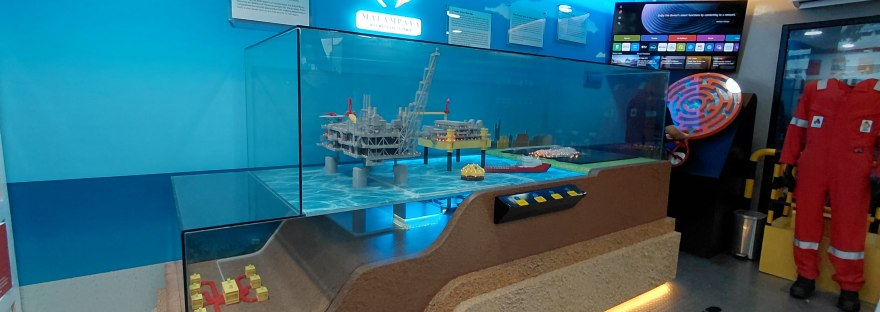
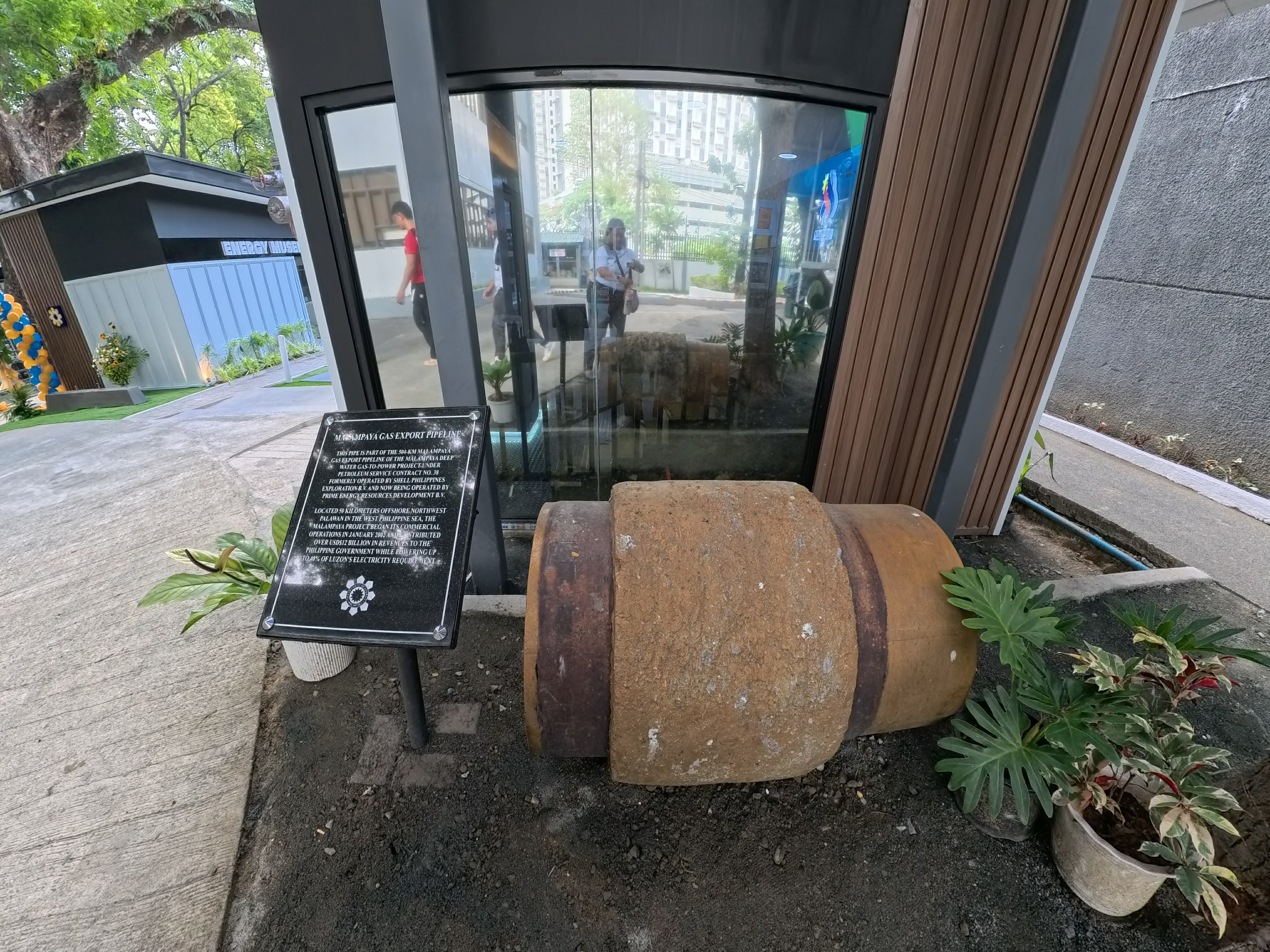
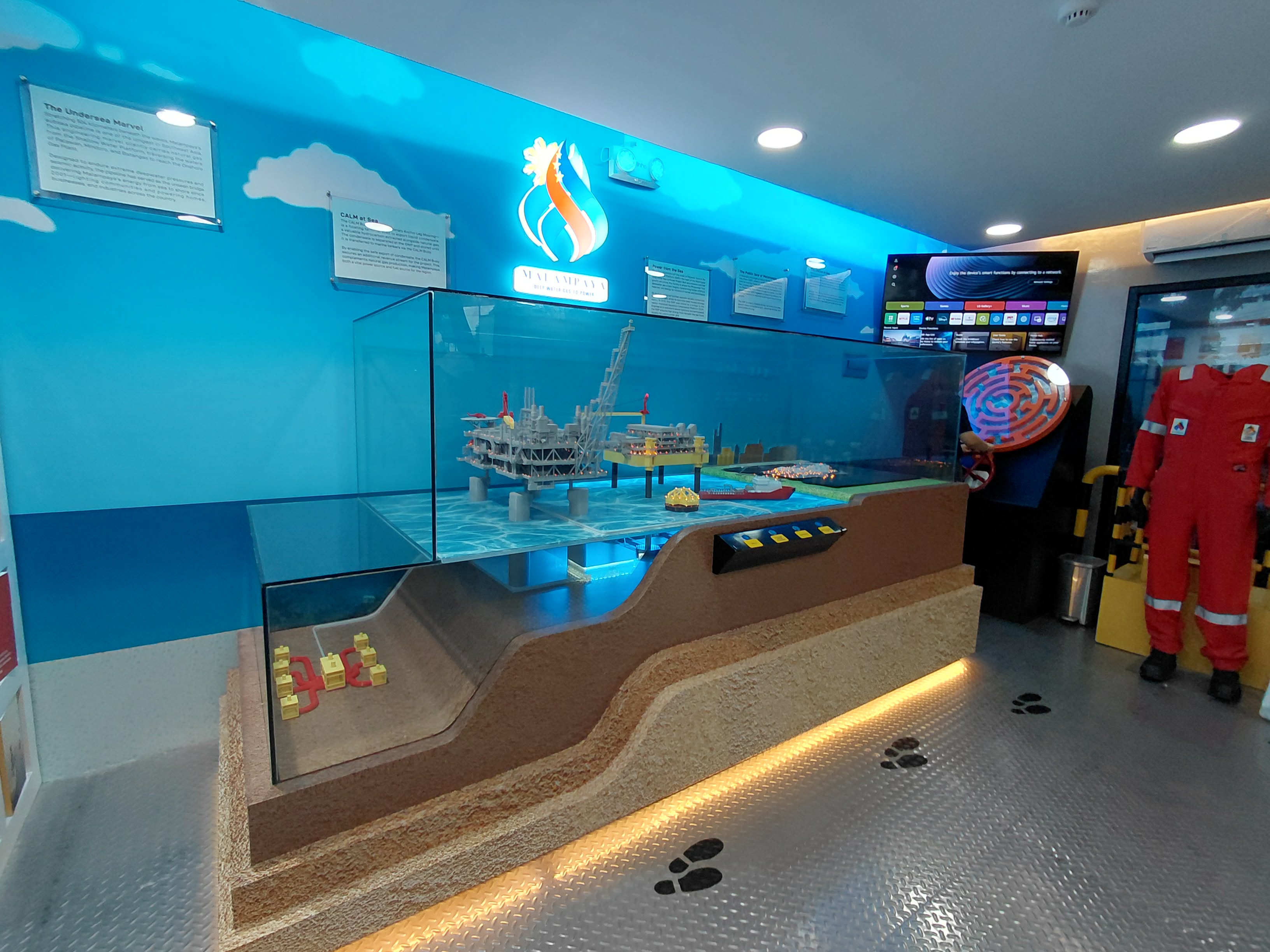
Instead of trying to describe everything in words, I’ll let the photos and videos do the talking, shot during the dry run with DOE officials including ASEC Mandy Romero and Secretary Sharon Garin.
One of the highlights of the event was getting to explore the other exhibition pods as well. It was inspiring to see displays dedicated to wind, solar, geothermal, and other energy sources, all showcasing how diverse the Philippines’ energy landscape has become. As a geologist, I was especially delighted to discover a microscope exhibit featuring thin sections of rocks prepared by the geologists of the Department of Energy—a display that immediately caught my attention.
Here are sneak previews of the museum:
As much as I’m proud of our company’s exhibit, what excites me even more is imagining the children who will one day walk through these halls.
For many of them, this may be their very first encounter with geology, energy, and the incredible science that powers our everyday lives. Perhaps they’ll hold a piece of reservoir rock for the first time, peer through a microscope at minerals, discover how geothermal energy works, or learn that the Philippines produces its own oil and natural gas. You never know—one curious child standing in front of these exhibits today could become tomorrow’s geologist, engineer, scientist, or energy innovator.
Museums have a wonderful way of sparking curiosity. I know they certainly did for me.
I can’t wait for the Energy Museum to officially open its doors. There are so many fascinating exhibits waiting to be explored, interactive displays to discover, and stories of Philippine energy and Earth science waiting to inspire the next generation. I held off posting all videos I have on my camera because I don’t want to spoil it for our future museum visitors.
If this museum encourages even one child to ask, “How does that work?” or “I want to become a geologist someday,” then every hour spent planning, designing, and building these exhibits will have been more than worth it.
Discover more from The Fabulous Scientist
Subscribe to get the latest posts sent to your email.


