Pip: Welcome to The Fabulous Scientist, where the rocks have backstories and the trails have coffee trees — and fabulousgrass is out here doing the fieldwork so we can sit here and talk about it.
Mara: This episode covers two kinds of outdoor science: the geology of a limestone outcrop in La Union, and a family forest-bathing trek through Baguio's Camp John Hay. Let's start with the rocks.
Field Geology And Rock Stories
Mara: Alodapic limestone looks like reef rock, but it formed somewhere else entirely — transported by currents, gravity flows, or submarine landslides before settling into its final resting place. The question the post asks is: what can that journey tell us?
Pip: The post frames it this way: "Think of it as the geological equivalent of a souvenir collection. The corals and shells originated from a reef, but they ended up far away from home after being carried by various sedimentary processes."
Mara: So the upshot is that finding this rock in the record means you're reading evidence of an ancient reef that may no longer exist anywhere nearby — the debris is the only surviving witness.
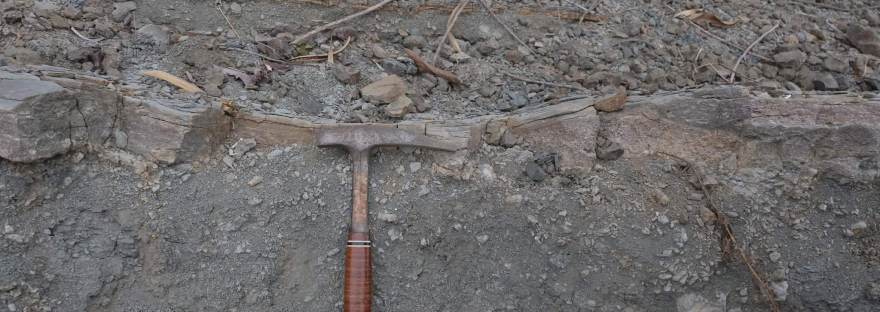
Pip: And the Agoo outcrop in La Union delivered exactly that: interbedded sandstone and mudstone packed with coral fragments and reef debris, none of it preserved in its original growth position. The river crossing to reach it, apparently, was its own highlight.
Mara: That pivot to family trekking isn't far off — the next post takes the outdoors in a very different direction.
Family Trekking And Forest Bathing
Pip: Getting kids off screens and onto trails is the quiet project running through the Camp John Hay post — and the Forest Bathing Trail at Camp John Hay turns out to be a surprisingly well-designed answer to that problem.
Mara: The post sets the scene directly: "We started at around 7:30 AM, greeted by cool mountain air and the faint, comforting scent of damp earth — thanks to the rain the night before."
Pip: That sensory detail matters because the whole argument of the post is that the trail earns its name. Forest bathing is not a metaphor here — it is the actual experience on offer.
Mara: The trail runs about five kilometers with less than two hundred meters of elevation gain. The post describes it as gentle enough for small children, with a clear path and flowering Arabica coffee trees lining the entrance section. Those coffee blossoms, apparently, smell like jasmine and lemon combined — the result of cross-pollination by bees from surrounding plants.
Pip: There is one caveat worth flagging: a narrow rocky ledge above a steep ravine on one side of the hill. The post calls it the trail's way of saying "Stay humble." Which, for a beginner-friendly family route, is a reasonable heads-up rather than a deterrent.
Mara: The post also connects this outing to earlier fitness walks around UP Diliman campus, framed as preparation for exactly this kind of family trekking. The Baguio trip itself was tied to a birthday celebration and a Labor Day weekend — the trail was the activity, but the occasion was about the people.
Pip: Muddy shoes, mulberry trees at the end, a caregiver experiencing Baguio for the first time. The science and the personal memory end up in the same place, which is more or less the whole point.
Mara: Whether it's limestone reading the history of a vanished reef or a forest trail trading screen time for pine scent, both posts are really about what direct contact with a place gives you that a description cannot.
Pip: Next time, we'll see what else is out there waiting to tell its story — geological or otherwise.
Discover more from The Fabulous Scientist
Subscribe to get the latest posts sent to your email.


