
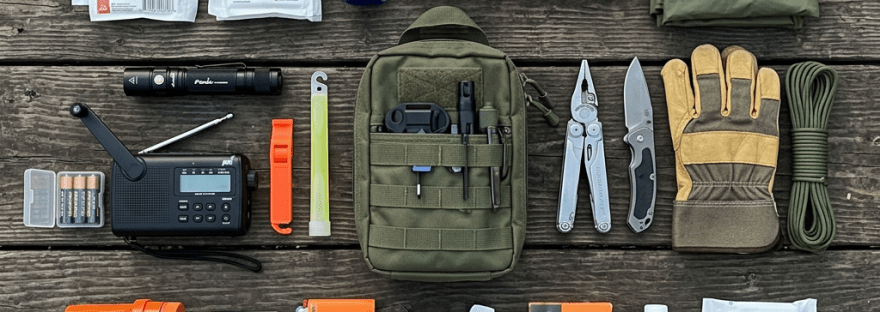
The earthquakes that have been happening lately in Mindanao, Venezuela, Japan, and the US had me in constant unease. After reading the news about the Mindanao and Venezuela earthquakes, the social media algorithm has me seeing a lot of posts about buildings and houses that collapsed on people. Venezuela in particular is now reporting more than 1,400 casualties and thousands still missing under the rubble.
I have written a lengthy blog post about what to bring in your Go Bags in case a disaster happens and you need to survive during the drive or walk towards the nearest evacuation center (snippet below). However, Go Bags are usually assembled for when a disaster has already struck and you have enough time to grab them before evacuating. While they are incredibly useful, I think what is even more useful is what you can bring every day in case an earthquake happens right where you are.
During my geologic tours before the pandemic hit, I taught the kids and their parents what they could bring as an everyday carry (EDC) kit for when an earthquake happens outside the home. Today, I’m going to share that with you as well and explain why each item earns a place in your pockets, bag, or backpack.
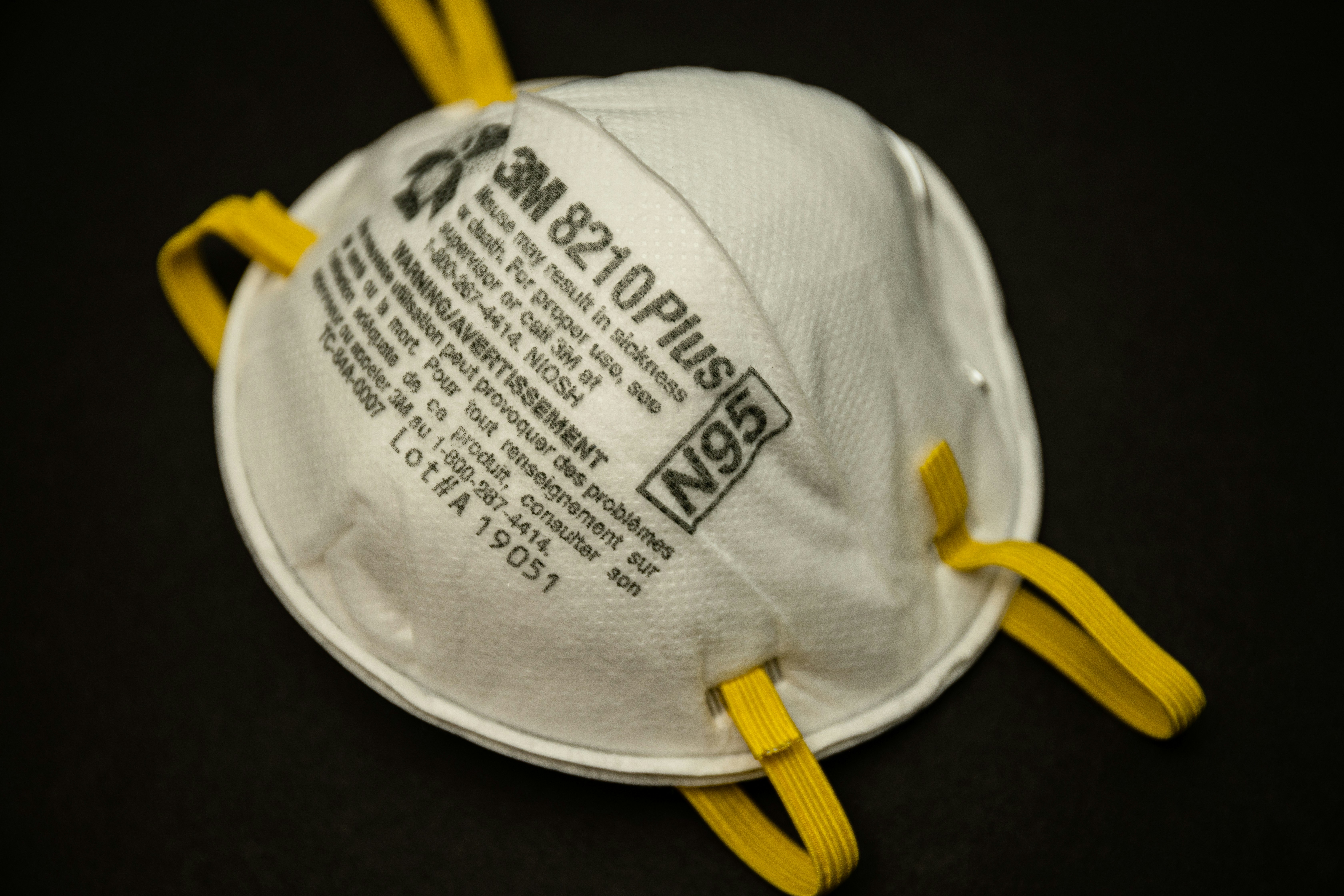
N95 Masks or Equivalent
Earthquakes create an astonishing amount of dust. Concrete, drywall, plaster, insulation, and other construction materials become airborne within seconds after a collapse. Even if you are not trapped, simply walking through damaged areas can expose you to dust that can irritate your lungs and eyes.
An N95 mask helps filter out fine particles and makes breathing easier while moving through debris-filled environments. As a bonus, after surviving the COVID era, many of us have become experts at carrying spare masks anyway.
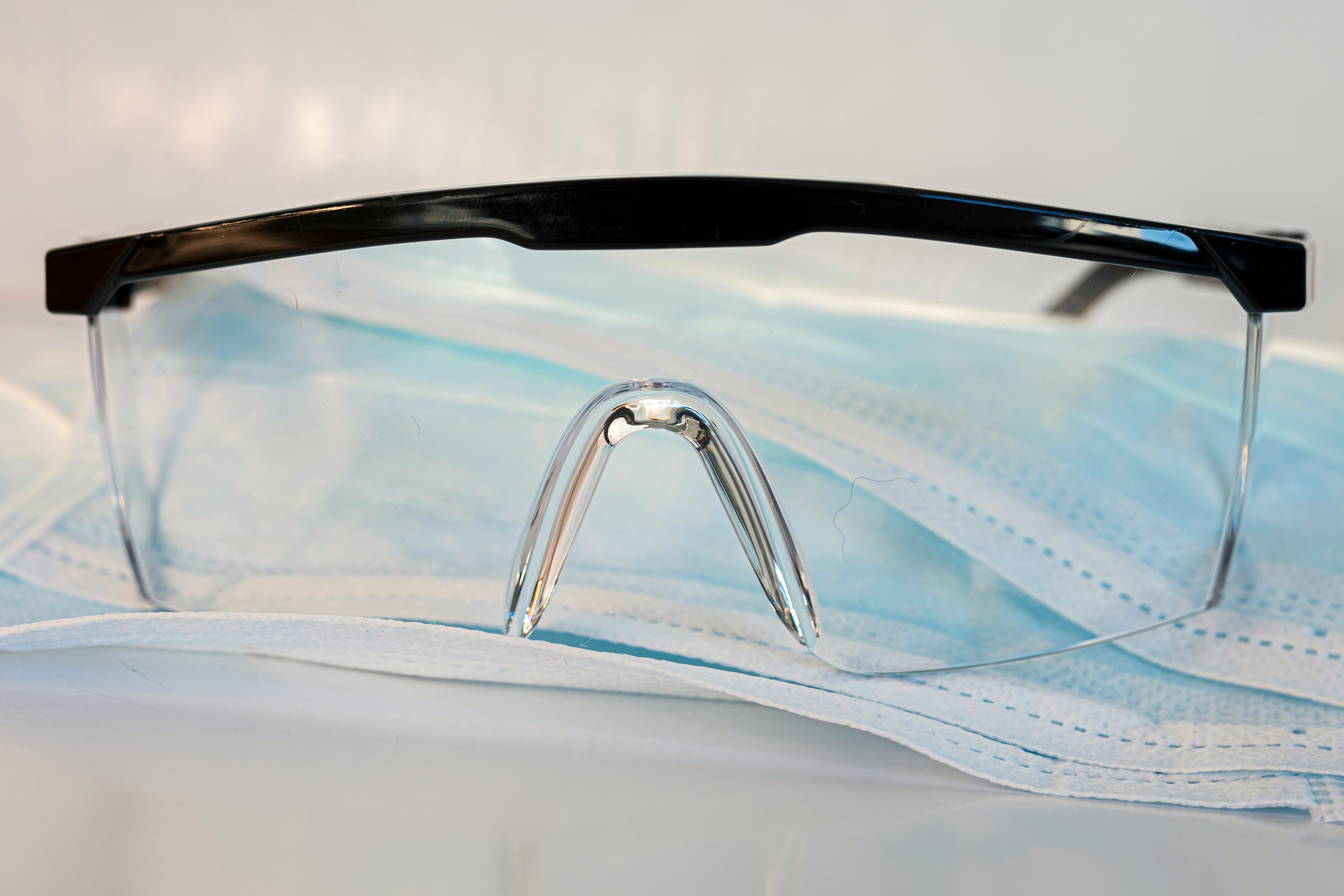
High-Quality Safety Glasses
Protecting your eyes during an earthquake is not a matter of comfort — it is a matter of preserving one of your most important senses.
When buildings are damaged, the air can quickly fill with concrete dust, plaster, insulation fibers, and tiny fragments of glass. Ceiling materials, light fixtures, windows, and building facades may fail without warning, sending debris through the air at eye level. Even after the main shaking stops, aftershocks can dislodge additional material while people are evacuating or assisting others.
A serious eye injury can immediately turn a survivable situation into a far more dangerous one. Reduced vision or blindness can make it difficult to navigate damaged buildings, avoid hazards, locate exits, administer first aid, or help family members and colleagues.
A pair of high-quality safety goggles provides protection against airborne dust and debris, helping you maintain visibility and mobility during an emergency. Choose goggles that fully seal around the eyes rather than standard safety glasses, as fine dust and small particles can easily enter through gaps around the frame.
In an emergency, protecting your ability to see is protecting your ability to make decisions, find safety, and help others do the same.
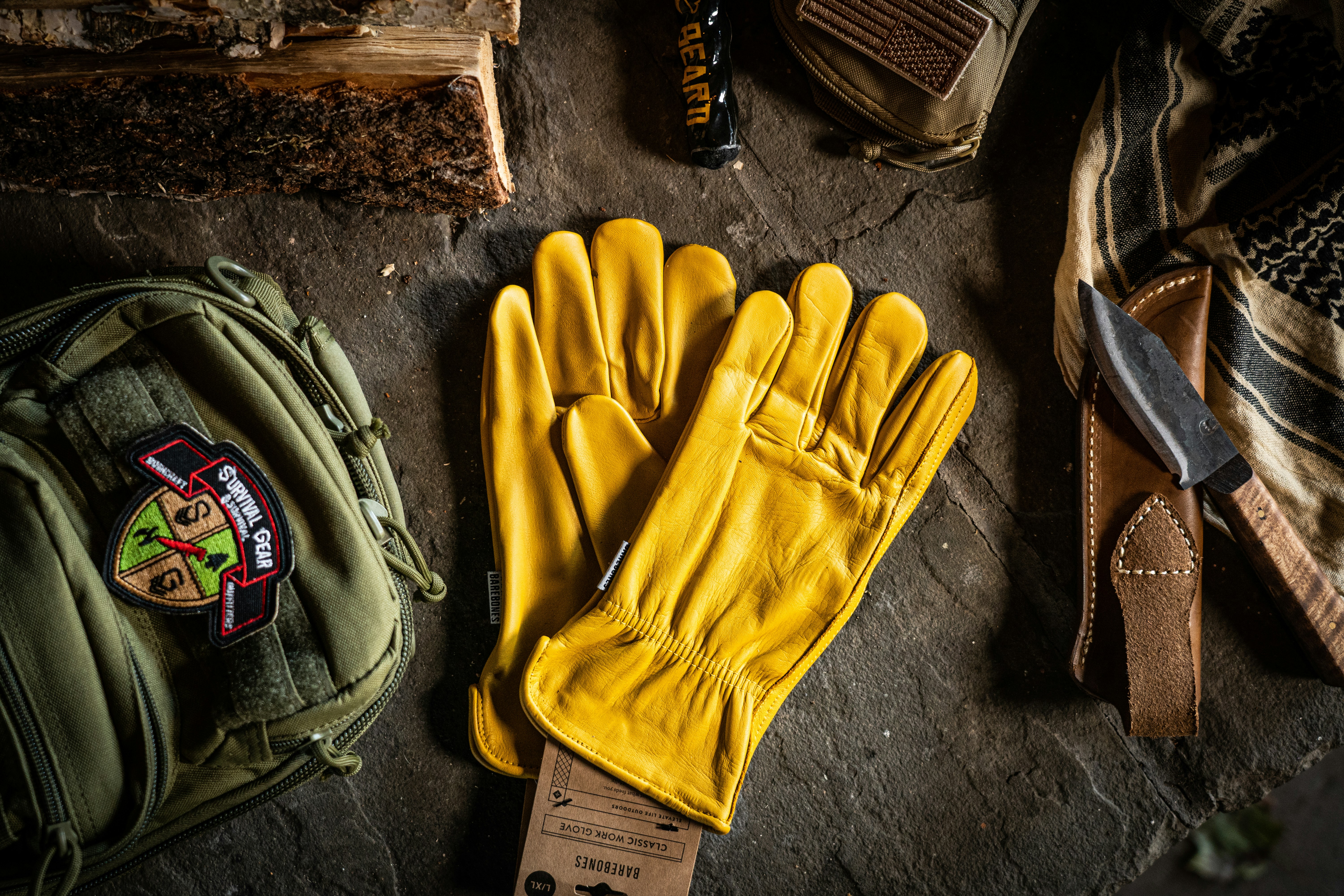
Work Gloves
If debris falls around you or blocks your exit, your hands will likely become your primary excavation tools. Sharp concrete fragments, broken glass, twisted metal, and splintered wood can turn a minor injury into a serious problem.
A simple pair of work gloves can protect your hands while moving debris or helping someone else. You do not need the fancy tactical gloves that make you look like you’re auditioning for an action movie. A lightweight pair of construction or gardening gloves works perfectly fine.
Whistle
Your voice is surprisingly terrible at competing with collapsed buildings, sirens, heavy machinery, and hundreds of people shouting at once.
A whistle requires much less energy than yelling and can be heard over longer distances. Rescue teams are trained to listen for whistles during search operations. Three short blasts is also a widely recognized distress signal.
High-Energy Food and Water
A small candy bar, energy bar, or packet of biscuits can provide quick calories if you end up stranded for several hours. Pair it with a small bottle of water and you have bought yourself precious time while waiting for rescue or while trying to get home.
The goal is not to prepare for a week-long camping trip. It is simply to prevent hunger, dehydration, and poor decision-making during those first critical hours.
Flashlight or Headlamp
Power outages often accompany major earthquakes. Buildings can become dark very quickly, especially stairwells, parking garages, and office corridors with no windows.

Your phone flashlight works in a pinch, but a small dedicated flashlight or keychain light preserves your phone battery for communication and emergency updates. For myself I have my old Led Lenser that has been with me for more than 5 years now and still works, thanks to its powerful LED bulb.
Portable Phone Charger
Major earthquakes are often followed by power outages and disruptions to communication networks. In the hours immediately following an earthquake, your phone may become your most important tool for contacting family members, receiving emergency alerts, accessing maps, or calling for help.
A small power bank can provide enough charge to keep your phone operational during those critical first hours or even days after a disaster. When communication infrastructure is strained and charging opportunities are limited, a fully charged power bank can become an invaluable lifeline.
Emergency Contact Information
Most of us rely entirely on our phones to remember phone numbers. Unfortunately, phones run out of battery, break, or get lost.
Keep a small card with emergency contacts, medical information, allergies, and blood type in your wallet. It feels old-fashioned until the exact moment it becomes extremely useful.
Final Thoughts
The best emergency kit is not necessarily the biggest or the most expensive. It is the one you actually have with you when the ground starts shaking.
The good news is that you do not need a dedicated tactical backpack or a specially designed emergency bag for the items listed here. The reason it is called an Everyday Carry (EDC) kit is that it travels with you regardless of which bag you happen to be using that day.
Whether you’re carrying a backpack for work, a sling bag for a quick errand, or a tote bag for a weekend trip, your earthquake EDC should remain constant. Simply keep all the items in a small dedicated pouch that can be transferred easily from one bag to another. That way, wherever you go, your emergency kit goes with you.
After all, earthquakes do not check your calendar before deciding when to strike.
Hopefully, your earthquake EDC never gets used for its intended purpose. Like insurance, helmets, and umbrellas, its greatest success is in being unnecessary.
Discover more from The Fabulous Scientist
Subscribe to get the latest posts sent to your email.


