

- Why Travel to Matnog, Sorsogon?
- Subic Beach
- Tikling Island
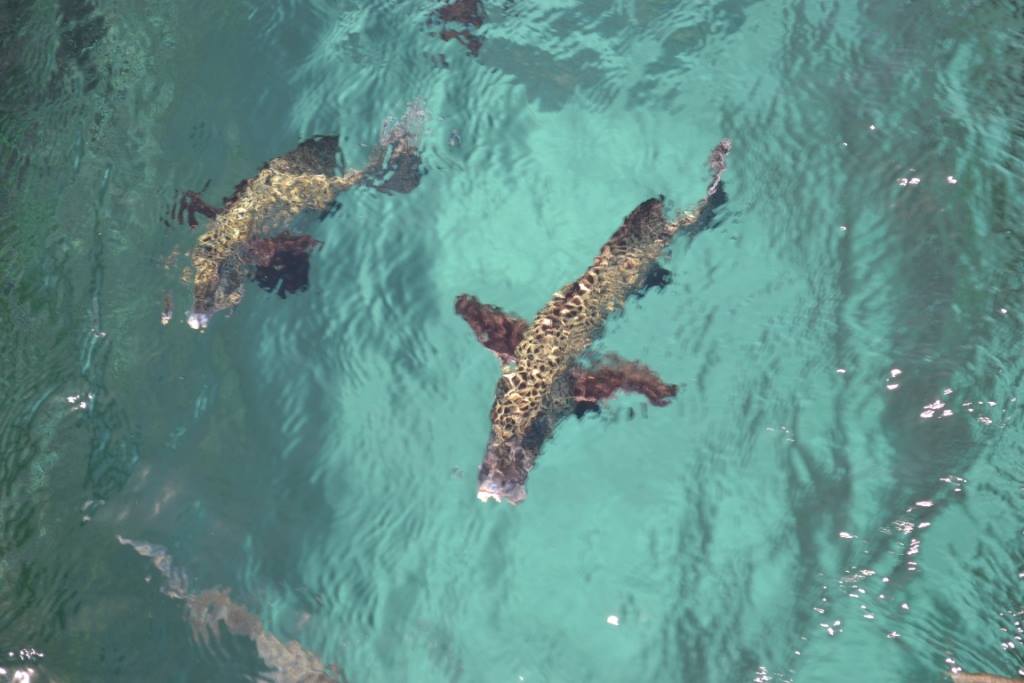
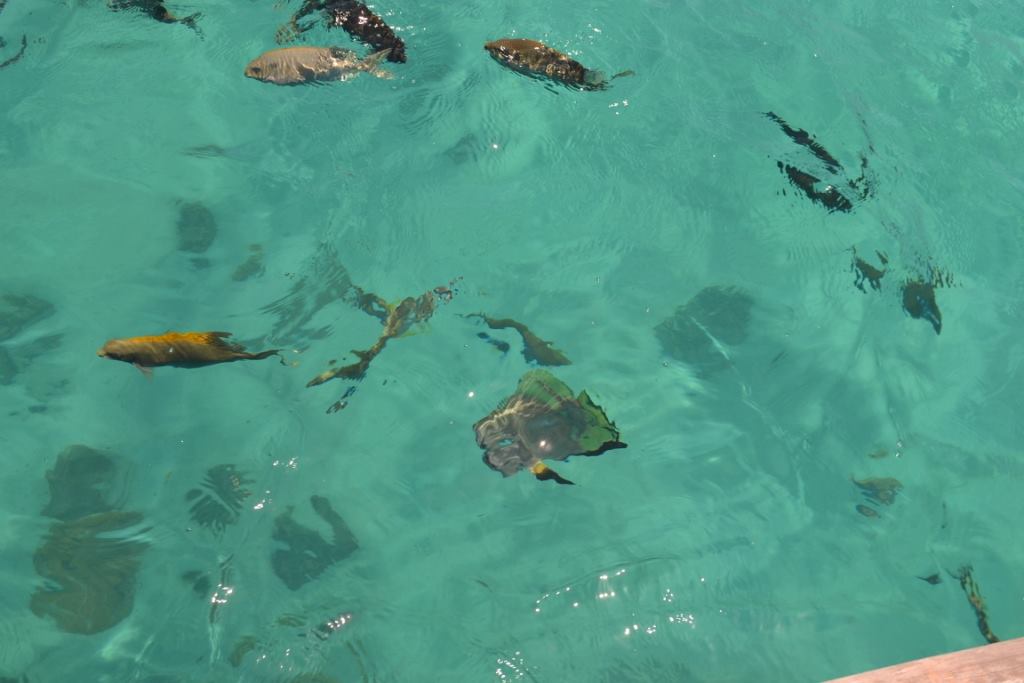
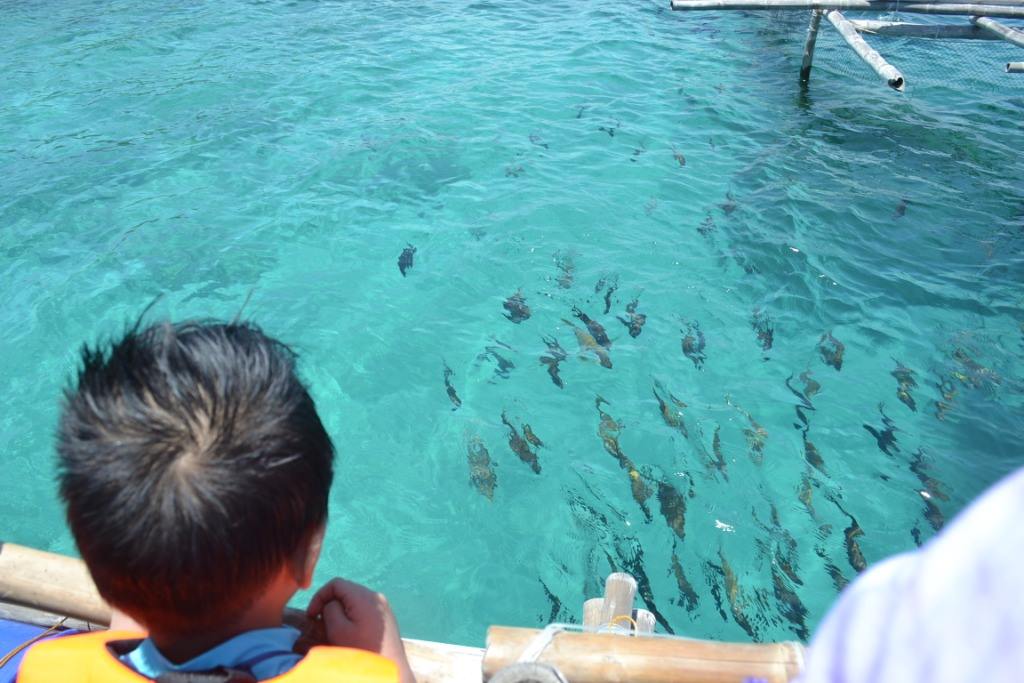
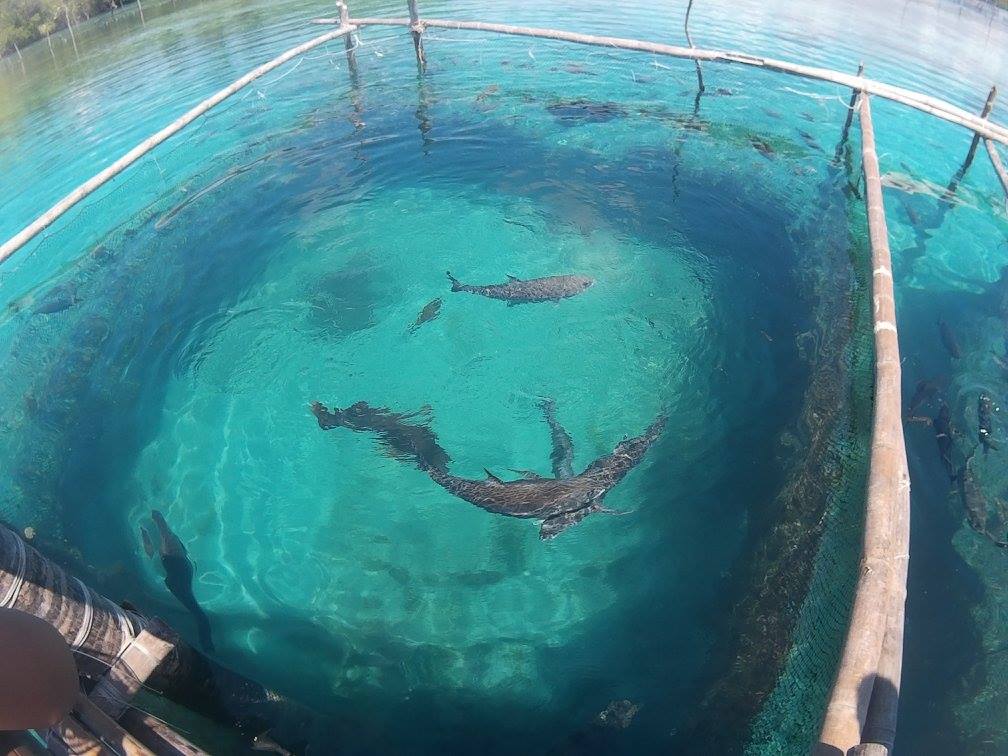
- Juag Lagoon Fish Sanctuary
- Calintaan Wishing Cave
- Some Travel Tips and Reminders
Why Travel to Matnog, Sorsogon?
The Philippines is renowned for offering some of the best tropical beach experiences in the world, thanks to its prime location along the Pacific Ocean, serving as a gateway to the rest of Asia. As an archipelago of over 7,000 islands, it is an ideal destination for island hopping. One spot gaining popularity, especially among budget travelers, is Matnog in Sorsogon, known for its scenic island-hopping adventures.
Matnog is a municipality at the south-south easternmost tip of the Bicol Region. The cheapest way to get there is to take a bus going straight to Matnog and travel by land for about 14 hours. Buses that have regular trips to Matnog include Raymond, Philtranco, and Isarog Lines. For ticket price ideas, please see the screenshot below from PH Bus website where prices are shown in Philippine pesos:

Below is the link to the map and screenshot from Google showing how the islands are distributed roughly parallel to the mainland:
https://maps.app.goo.gl/nwi5HkyFeLJWmFuAA
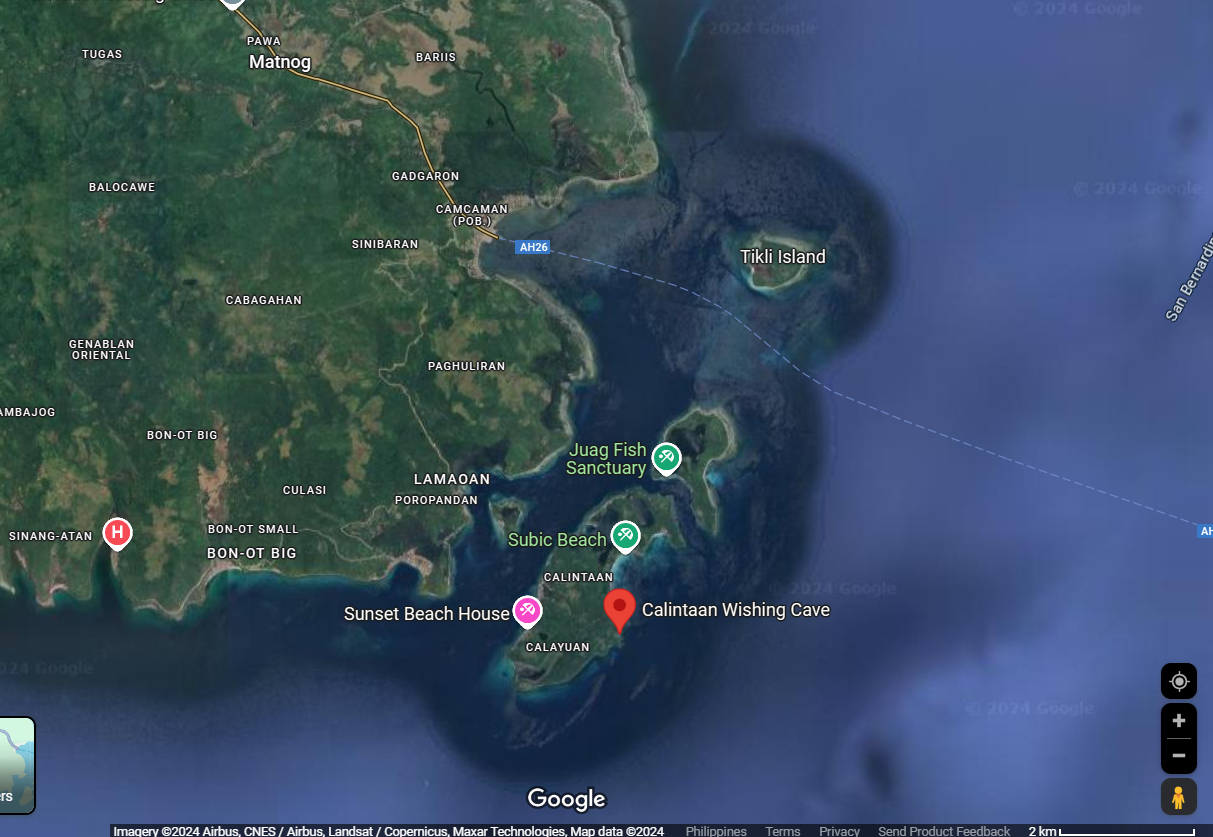
If you don’t like to travel by land and are willing to spend more, you can also take a plane to Legaspi International Airport and then take a van or taxi to Matnog. The cheaper option is to walk out of the airport, go to the highway, and wait for a bus or jeep that goes to Sorsogon City and then take a jeep going to Matnog in the city’s jeepney terminal. If you’re confused, you can ask the Bicol Tourism people in the airport.
The most popular islands / beaches in the area are:
- Subic Beach (Subic Laki and Subic Liit): Famous for its pinkish-white sand and clear waters, Subic Beach is actually divided into two coves—Subic Laki (Big Subic) and Subic Liit (Small Subic). Both are ideal for swimming, snorkeling, and relaxing by the shore.
- Tikling Island: A privately-owned island known for its serene environment and pinkish sand beaches, similar to Subic Beach. It’s less crowded, offering a peaceful retreat for visitors.
- Calintaan Island: This island is famous for its pristine beaches and the Juag Lagoon Fish Sanctuary, where visitors can feed and interact with various marine species in a protected environment.
- Juag Lagoon Fish Sanctuary: Although technically part of Calintaan Island, this spot deserves special mention. It’s a sanctuary where visitors can see and feed different kinds of fish and even swim among them in the clear lagoon.
These islands/beaches/coves are often included in island-hopping tours from Matnog and are known for their natural beauty and relatively untouched landscapes.
We went beach hopping in Matnog twice—once during the summer in April 2014, and again at the start of the monsoon season in June 2017. Based on my experience, the best time to visit is during the summer, when the weather is typically sunny, and the sea currents are calm. For instance, Calintaan Cave on Calintaan Island becomes inaccessible by boat when the waves are too rough, making summer the ideal time for a hassle-free trip. Although there would be clear days during monsoons, it is still recommended that travelers check the projected local weather conditions before scheduling a tour. I also recommend you shop for food and water at the market near the Matnog port. One must also register and pay a minimal environment fee at the Matnog Tourism Center near the market, where you will also be assigned a boat operator. Since my husband and his friend know a local in Matnog, we privately rented a boat from their friend.
Here are some photos of our trip per island:
Subic Beach
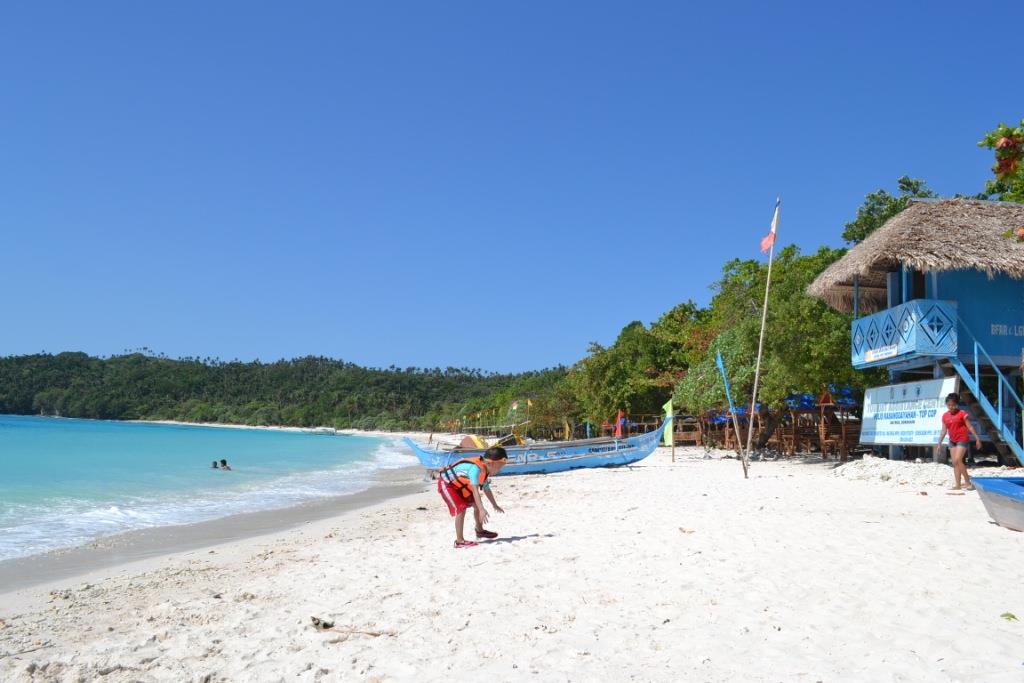
Subic Beach is split into two adjacent coves: Subic Laki and Subic Liit, separated by a small stretch of land. As the larger cove, Subic Laki offers more amenities, including air-conditioned and open cottages for day tours and overnight stays. In contrast, Subic Liit is smaller and quieter, perfect for those seeking a more peaceful atmosphere. For a small fee, you can just pitch a tent instead of renting a cottage. For food, you can buy fresh catch from local fishermen, and you can even pay them to cook them for you.
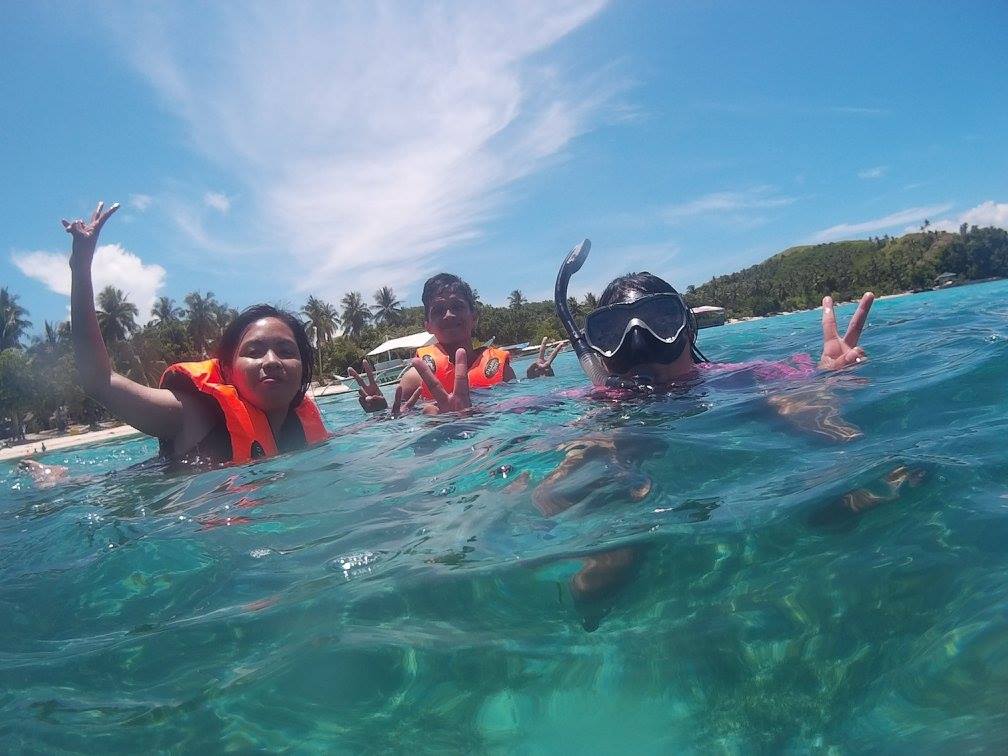
Tour boats typically drop visitors off at Subic Laki, a stunning beach with fine, powdery sand. There’s a designated snorkeling area where you can spot small fish, enhancing the overall experience. I believe Subic Beach is one of the safest options for families with kids, as lifeguards are stationed on this side of the island. However, the bathymetry can be a bit steep, so it’s important not to leave children unattended. I only had to swim a short distance before the water reached my height! To protect our stuff from getting wet during the boat trip, we also put our belongings inside waterproof bags as you can in one of the photos in the slideshow below:


Tikling Island
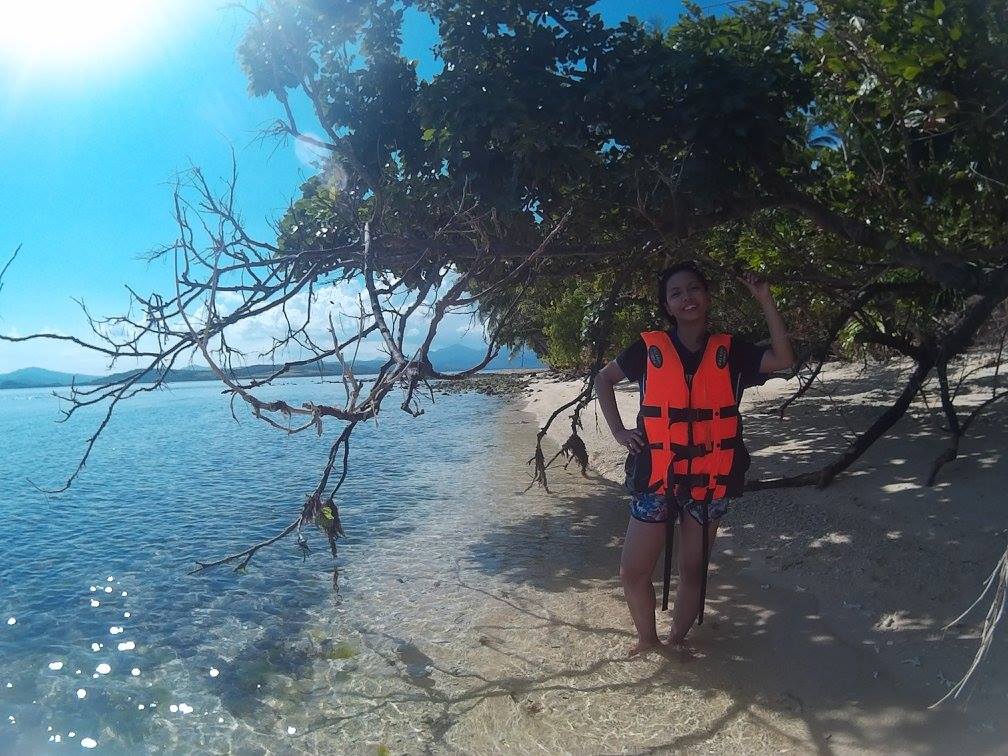
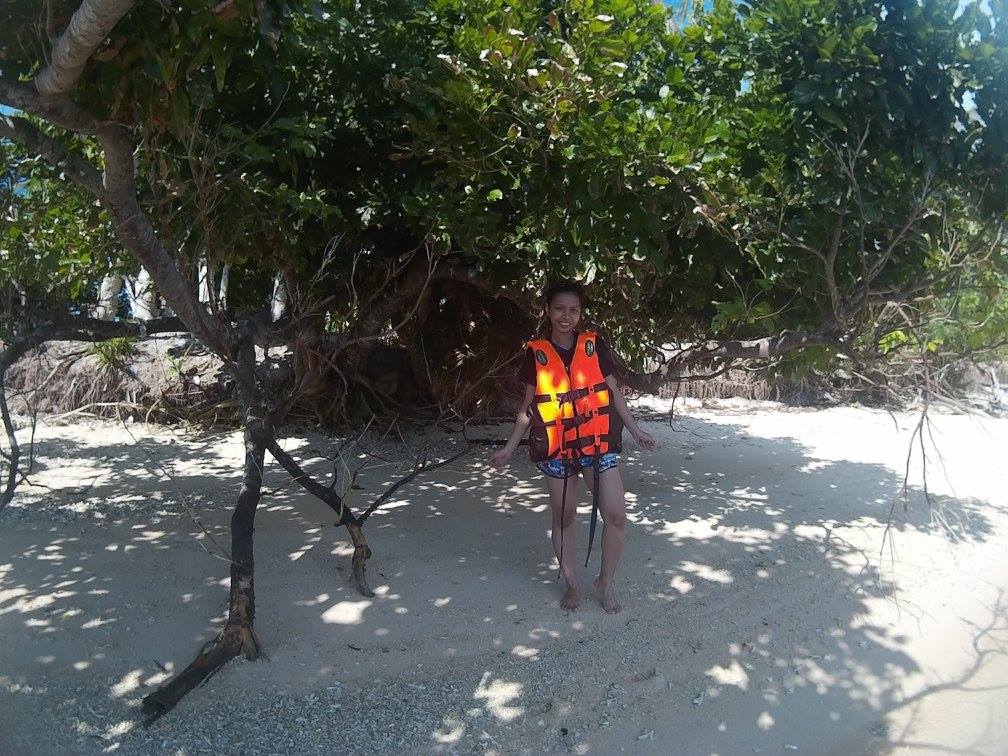
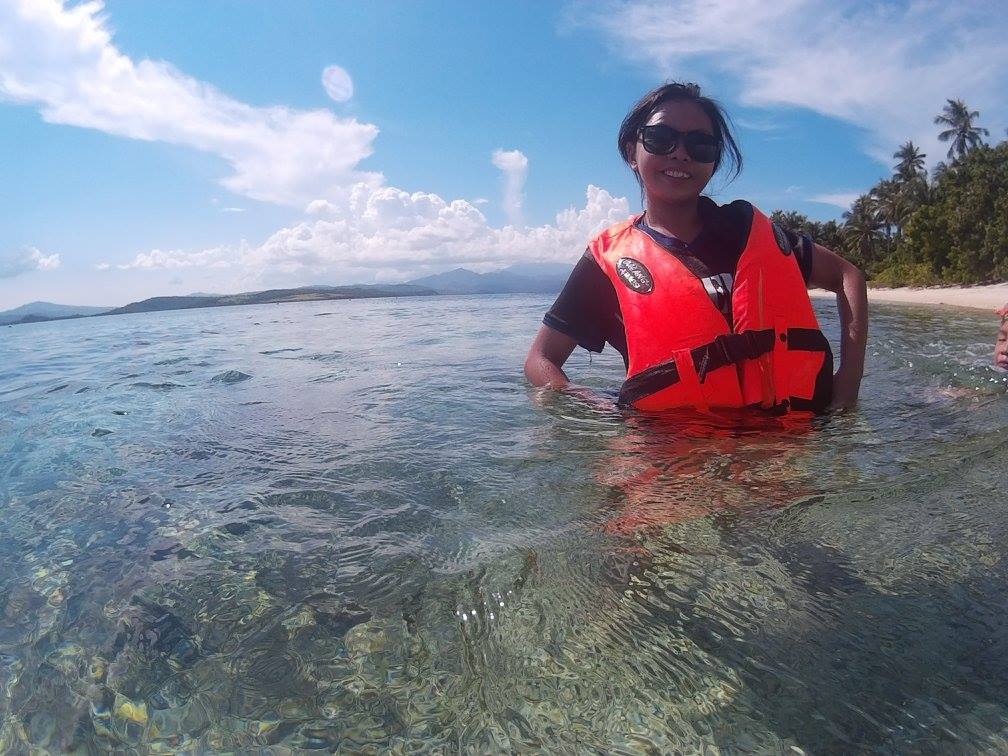
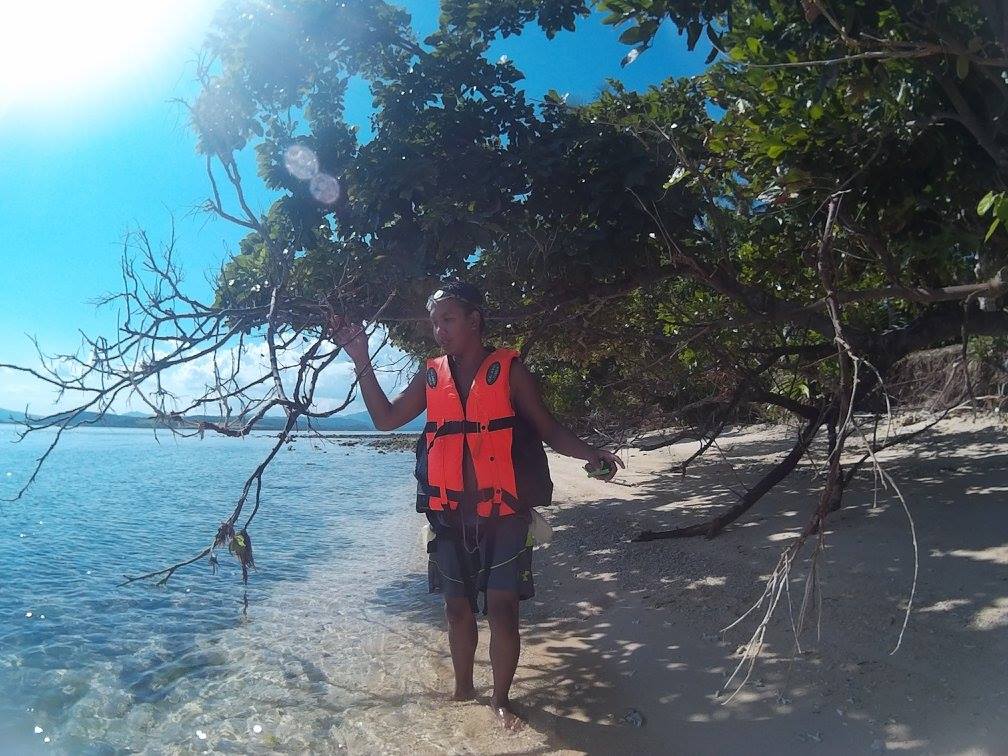
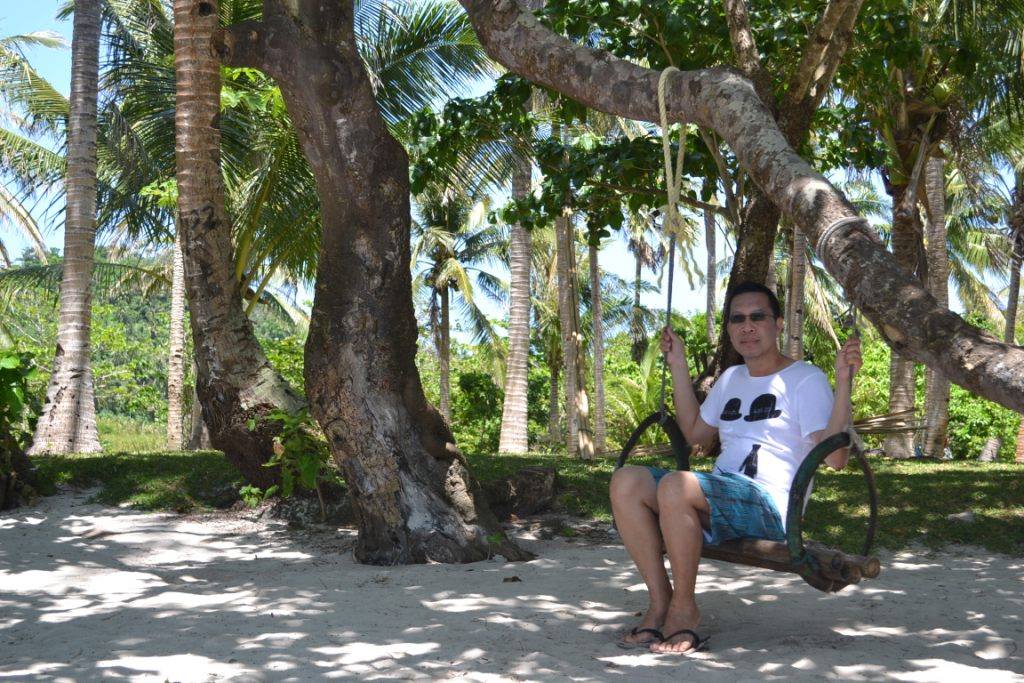
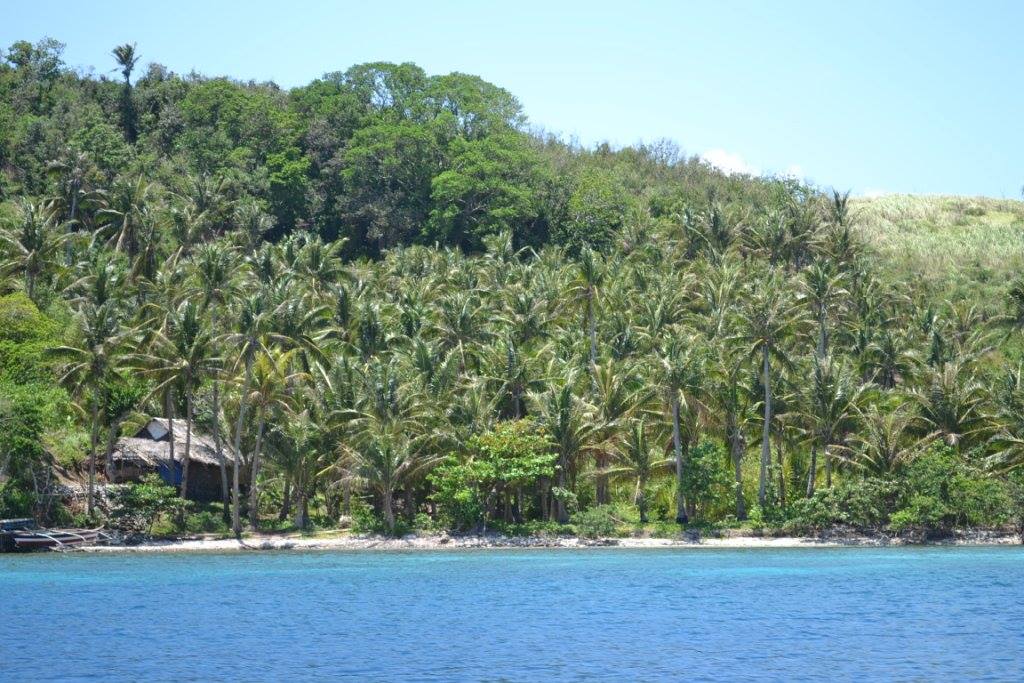
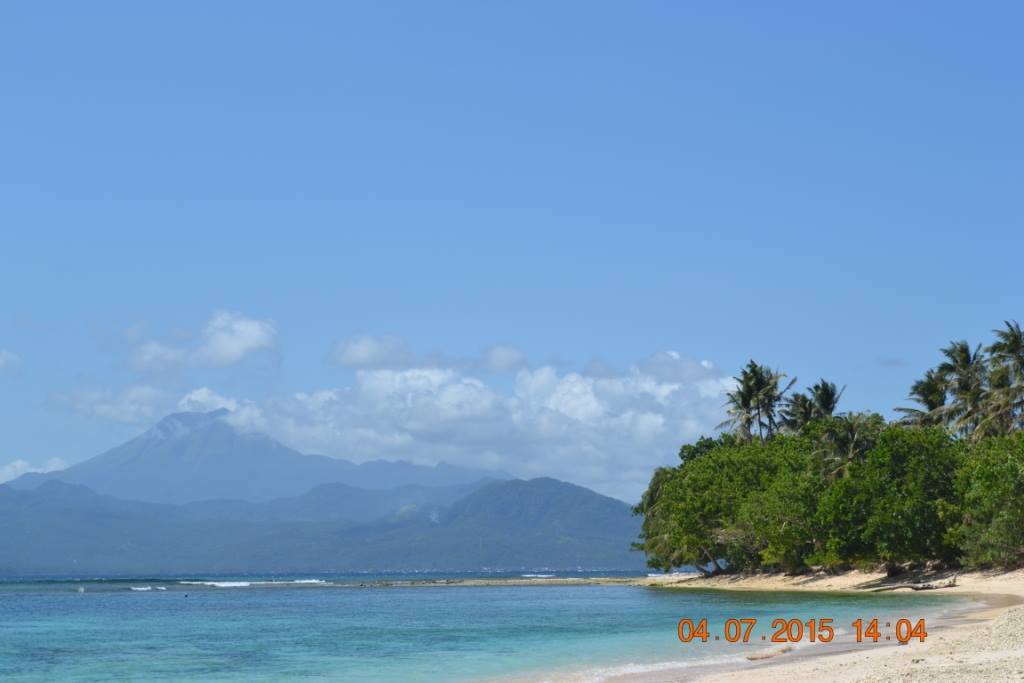
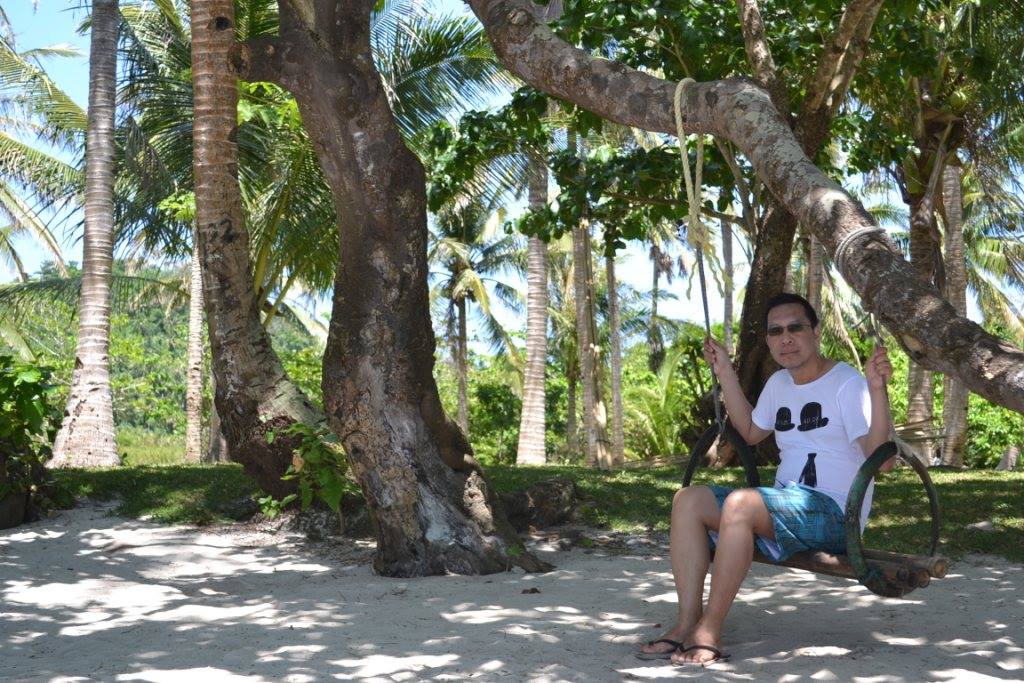
Tikling Island, among the four islands I’ve visited twice, stands out as my personal favorite. During our visit, the island remained mostly undeveloped, with only a small hut and an abandoned concrete house as the main structures. Exploring the island is easy; a simple donation to the island’s attendants or guards is all that’s required. What I love most about Tikling is the tranquility it offers. With no major buildings or cottages, it provides a serene escape. However, due to the lack of facilities, I don’t recommend pitching a tent and spending the night here.
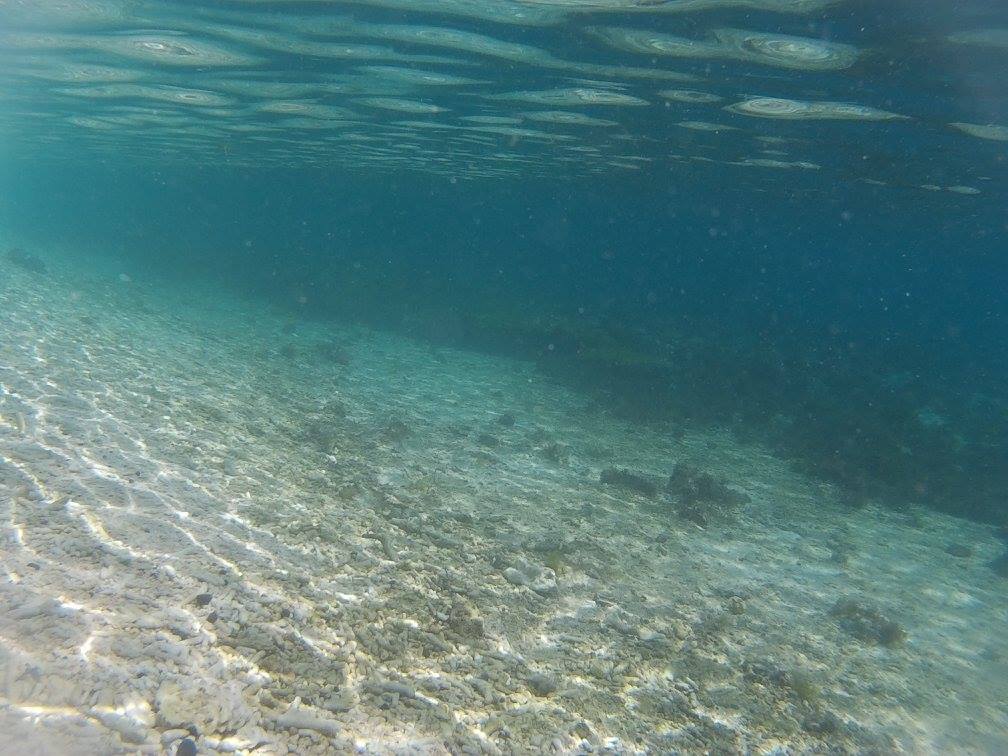
As I trekked through the island, I observed signs of storm damage behind the concrete structures, suggesting that swash has been steadily eroding large portions of the land. Fortunately, the island is still home to many trees, which help anchor the sand and reduce further erosion. However, as you’ll notice in the photos below, active erosion is evident in certain areas of the beach. Broken coral fragments and the steep bathymetry are clear indicators of strong longshore currents at work (the geologist in me can’t help but point this out). You can actually feel the currents pulling you parallel to the shore!
Another feature I appreciated was the vibrant back reef ecosystem just beneath the surface. If you enjoy observing reefs like I do, Tikling is a perfect spot. The best part is you don’t have to swim far to encounter the beautiful reef. My two siblings could not swim at the time so they wore their life vests to observe the corals and seaweeds under the water.








Juag Lagoon Fish Sanctuary
As mentioned, Juag Lagoon is part of Calintaan Island. Honestly, this spot would have been an ideal place for swimming if it had been left in its natural state—without the fish cages. However, I believe the intention is to showcase the variety of fish species thriving in this part of the ocean. It’s a great spot for educational purposes, especially for kids to learn about different fish species. That said, I hope the sanctuary truly lives up to its name and functions as a genuine haven for marine life.
If you plan to visit, please be mindful of the rules regarding sunblock. The caretakers are cautious, as they can’t always verify if the sunscreen is reef-safe (even if you assure them it is). This precaution is in place to protect the delicate marine ecosystem. However, I do recommend using reef-friendly sunscreen when swimming outside the sanctuary.
Also, keep in mind that the bathymetry in this area is irregular, likely due to longshore currents and coral reef formations. This can make swimming outside the lagoon more challenging, so be extra cautious, especially if you’re not a strong swimmer.
Here are some photos of the fishes we saw in the sanctuary and some parts of the lagoon. ❤



Calintaan Wishing Cave
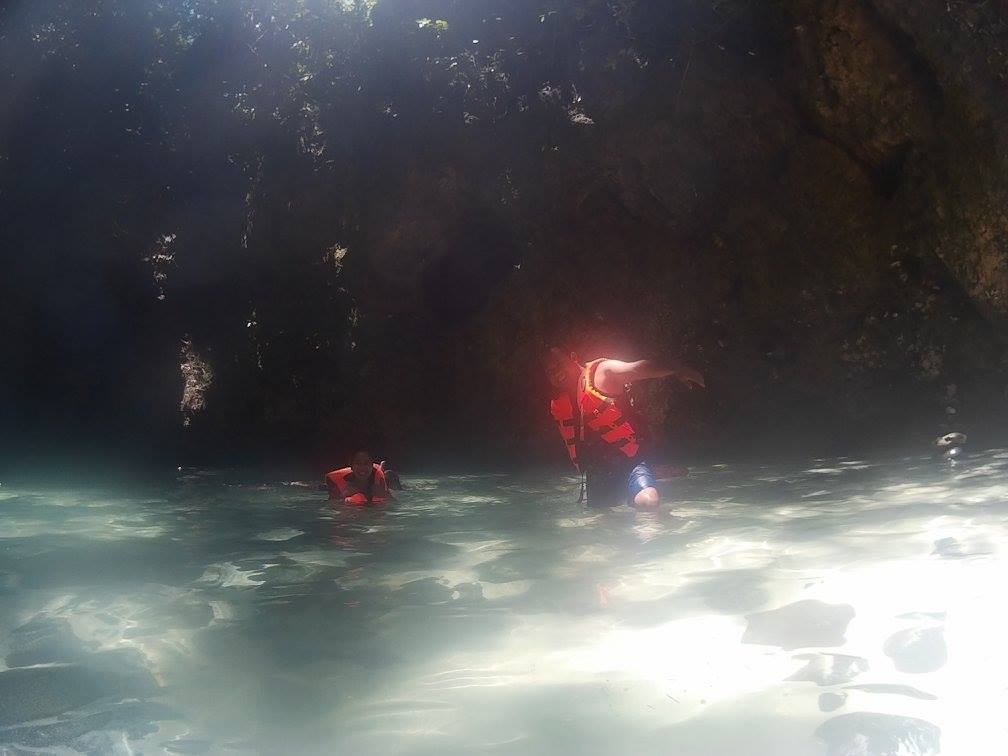
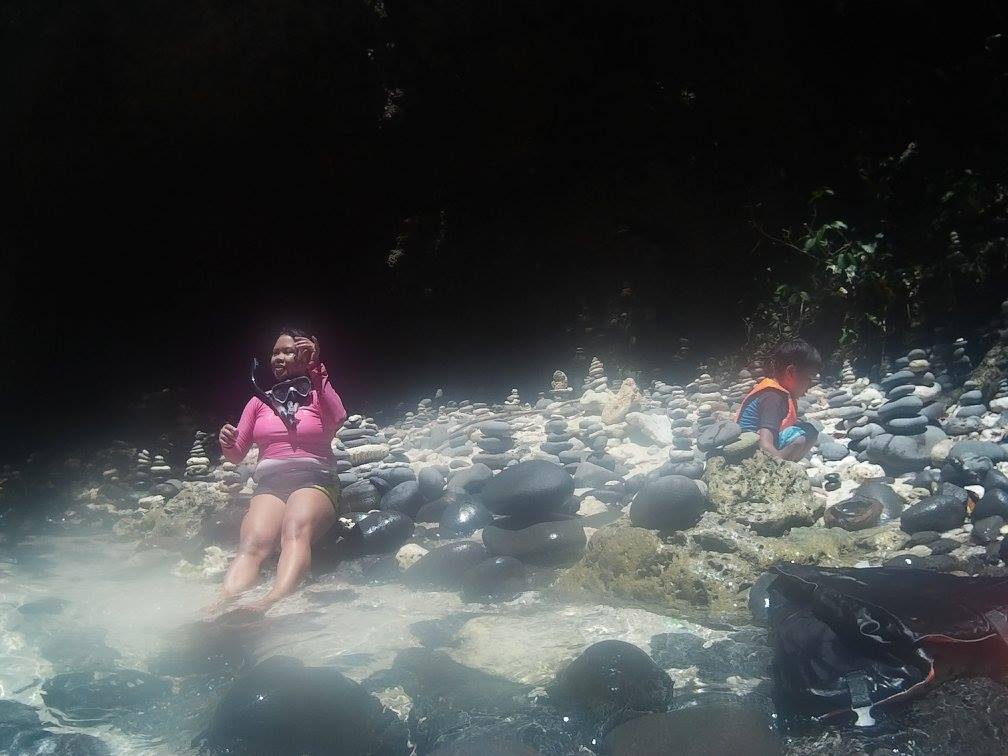
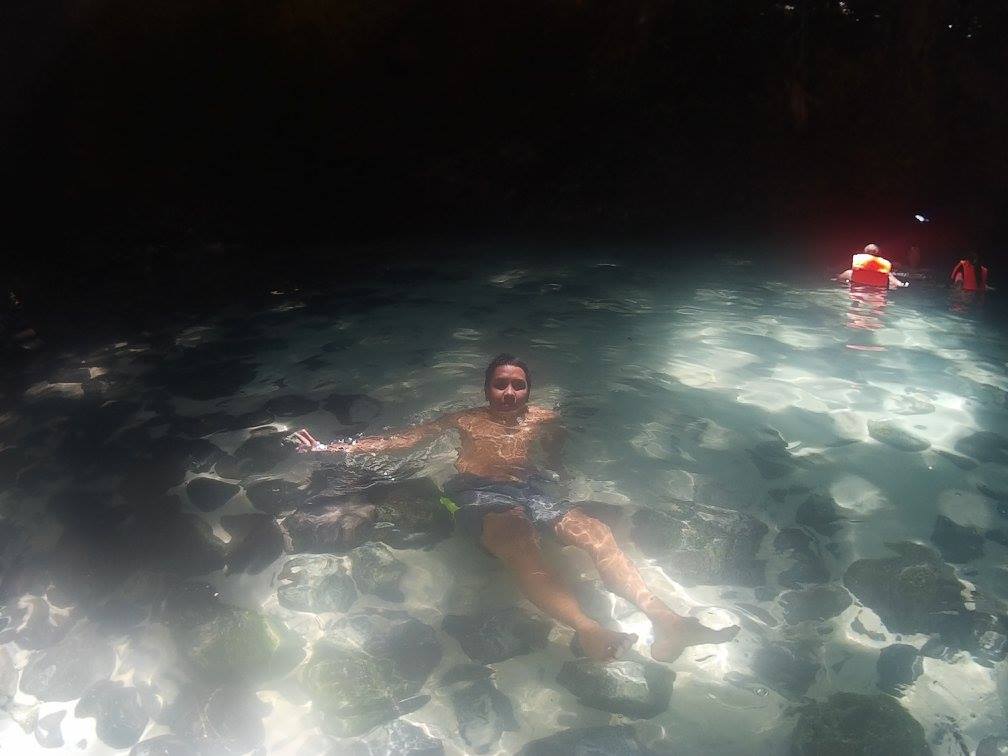
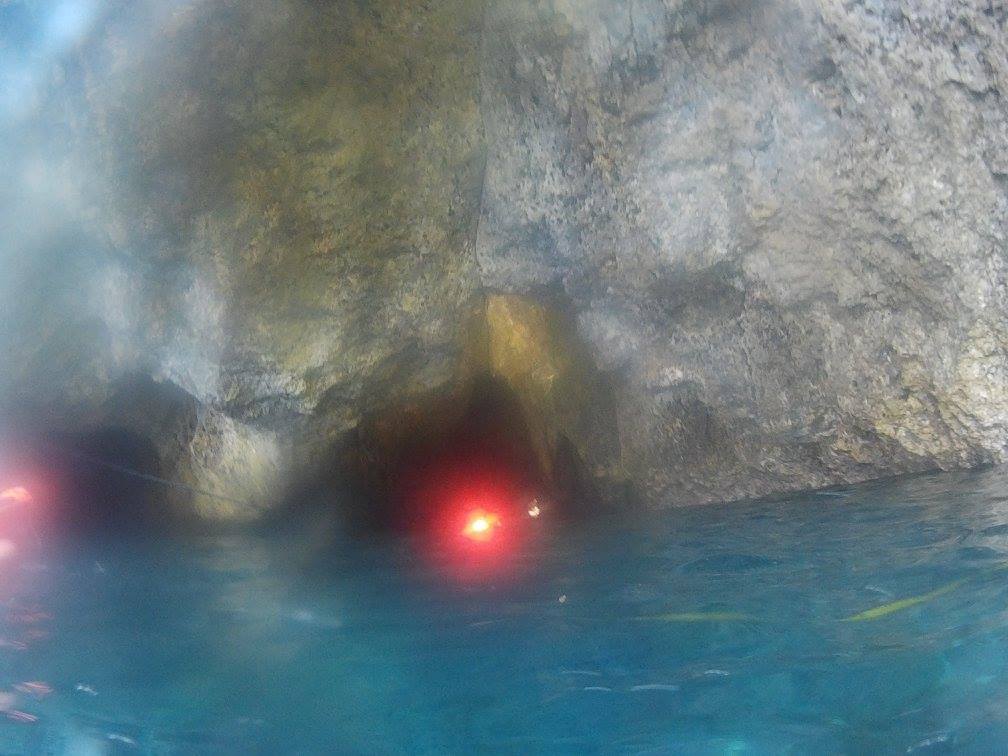
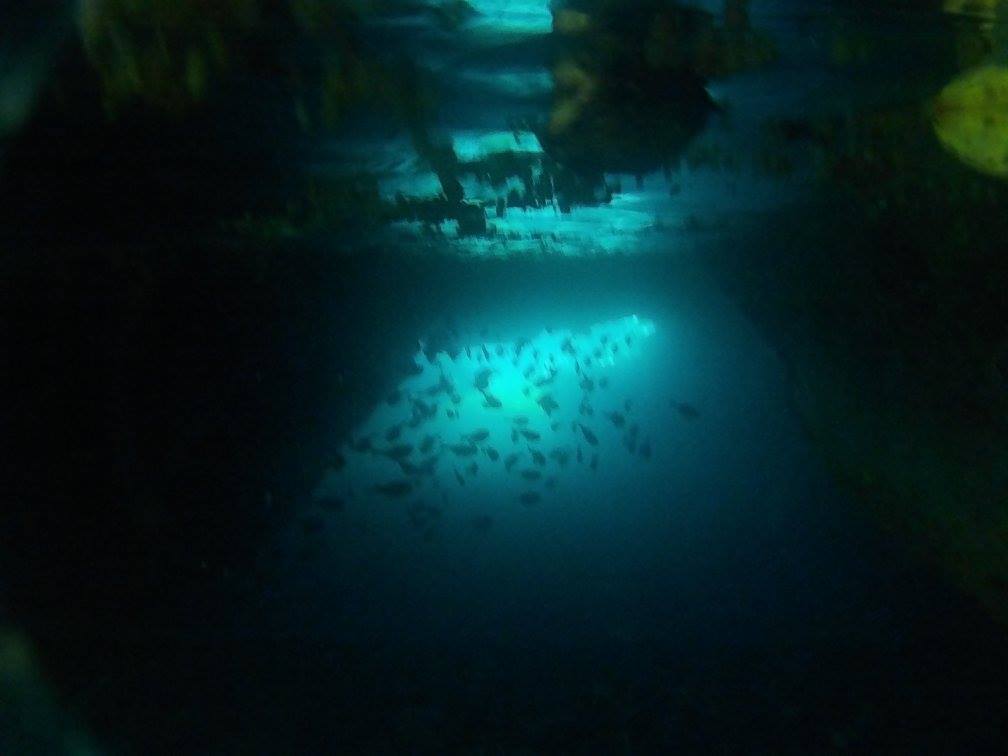
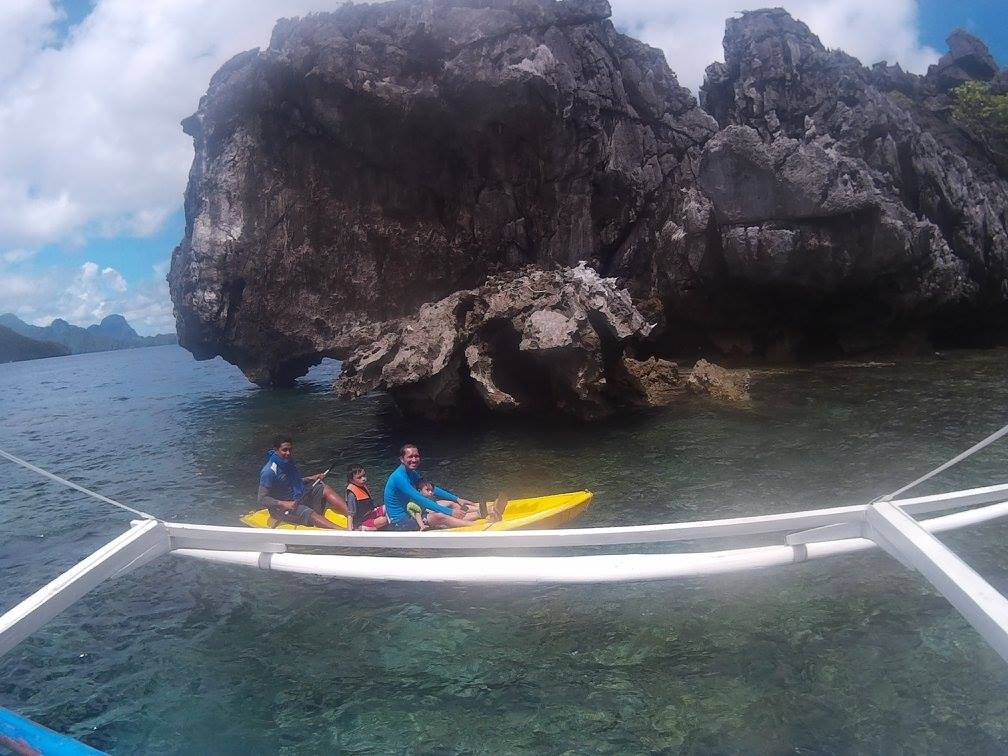
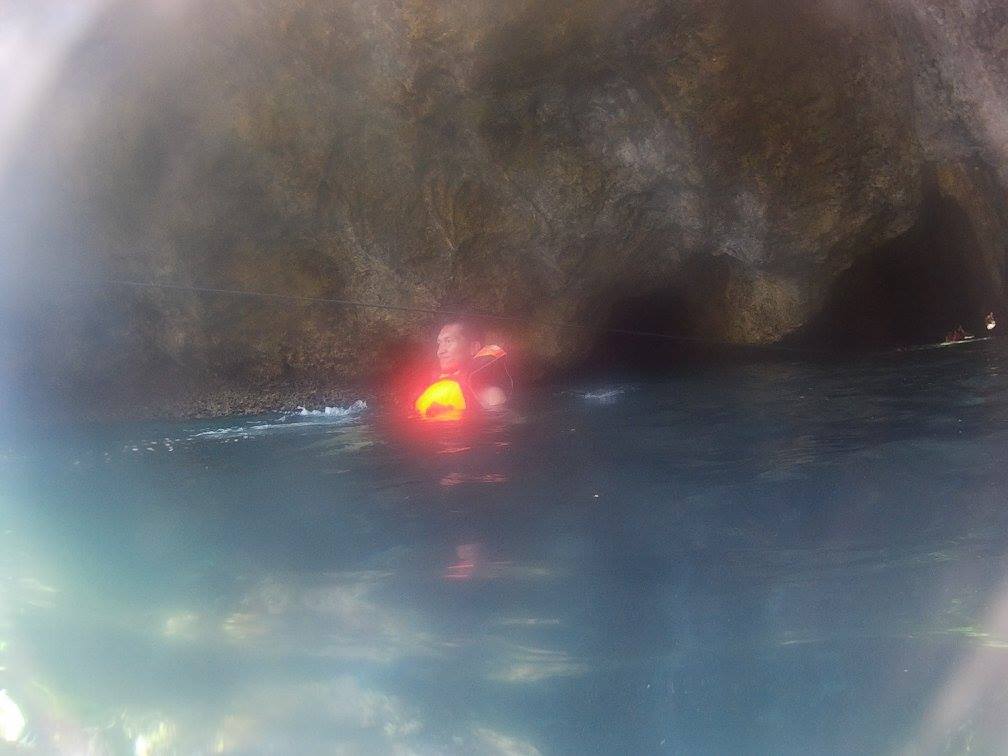
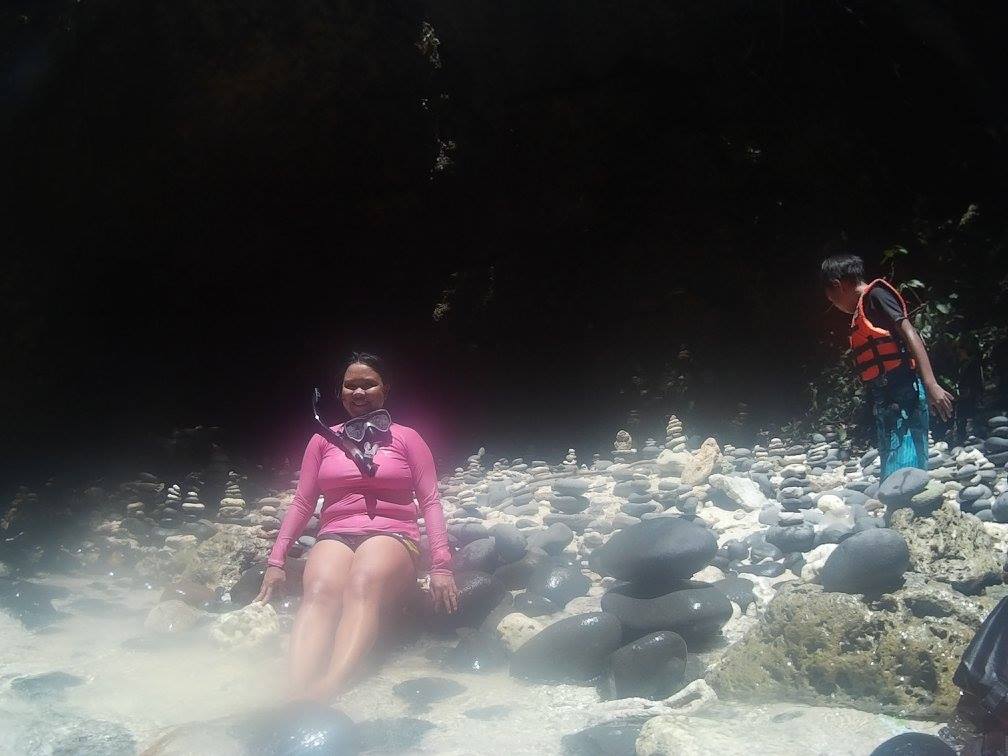
Calintaan Wishing Cave is a highlight of the Matnog Island Hopping experience, but access to it depends heavily on the state of the current. To reach the small, hidden lagoon inside, you need to dive a short distance from the sea into the cave. Fortunately, the waters were calm during our visit (lucky us!), so we were able to make the dive. However, our boatman advised us to leave our youngest son on the boat for safety reasons, as the entrance can be tricky and the water deep. With careful maneuvering, some of my companions used their life vests to help them navigate inside.
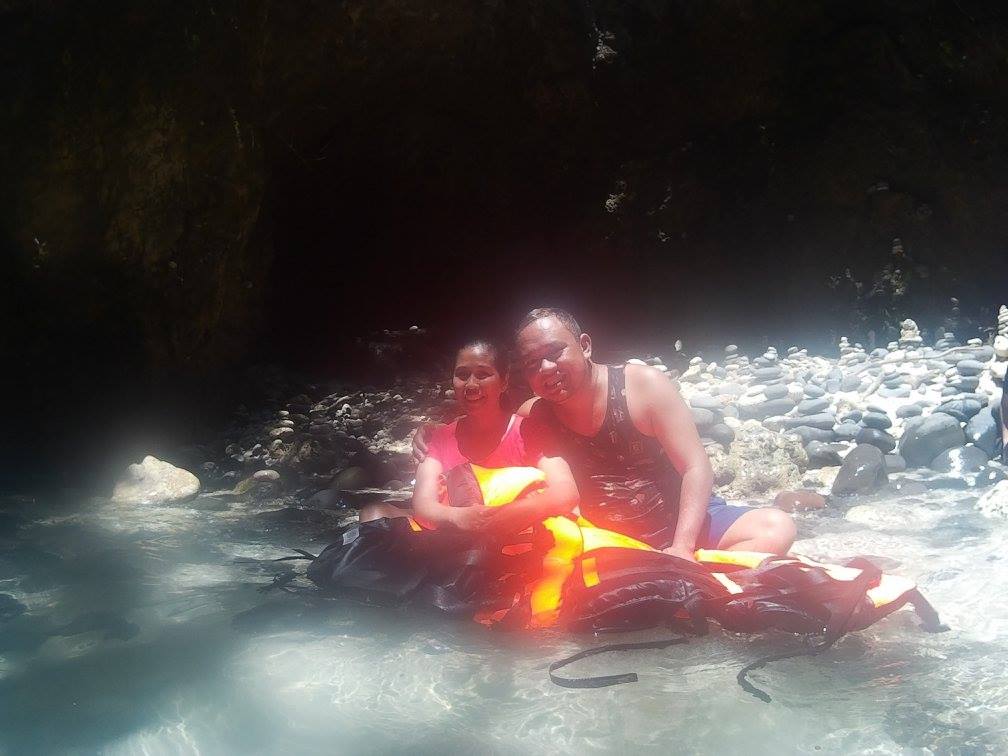
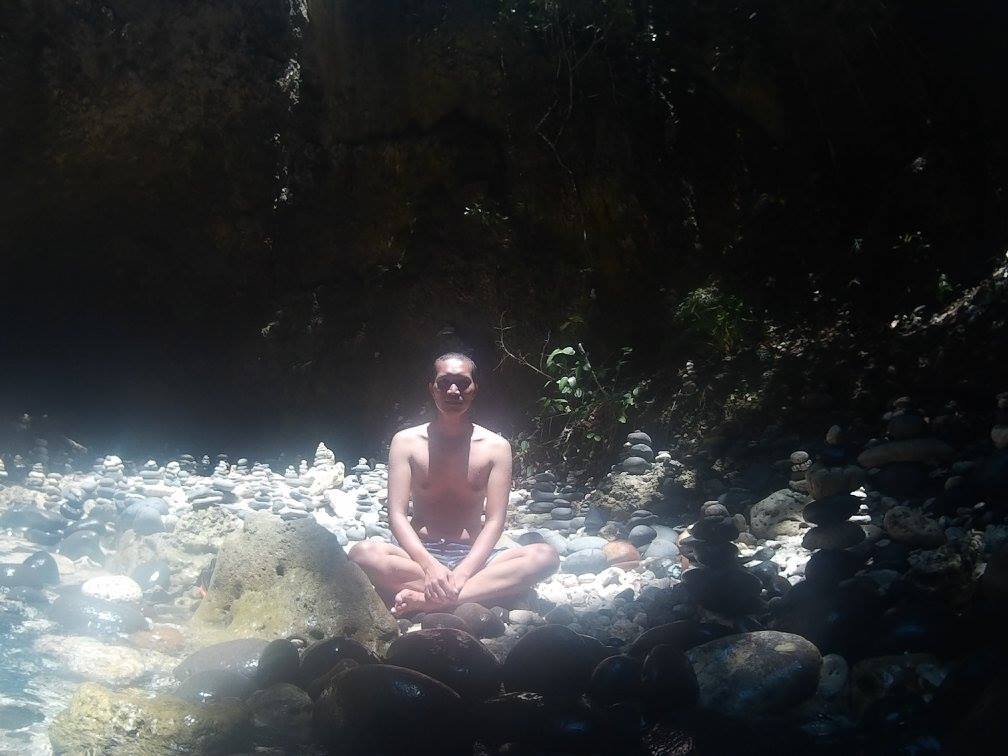
Once inside the cave, it was a bit dark (see photos below), but what immediately caught my attention were the large pebbles, carefully balanced one on top of another by previous visitors. The boatmen explained that it’s called the “Wishing Cave” because if you can successfully stack the rocks, you get to make a wish, and with any luck, it will come true. A fun and simple tradition! The beach inside is the smallest and narrowest I’ve seen, but the sight of those balanced stones created a serene, zen-like atmosphere. We took a moment to rest, enjoying a swim in the small lagoon. The natural light filtering through cracks in the limestone ceiling above added to the cave’s mystical charm.



Some Travel Tips and Reminders
To wrap up this article, here are some travel tips and reminders:
- Bring your trash with you when traveling. All the beaches except for Subic Dako don’t have proper trash repository. Doing so helps protect the environment from degrading.
- If you want to save on cost, bring your food with you. You can buy them at much cheaper price from the market near the port. However, if you would like to support the local fishermen, you can buy their catch and then ask them to cook them for you. They’d happily do it at a cost.
- Watch your kids all the time! The bathymetry can be steep and irregular due to presence of corals and longshore currents. I experienced being brought by the strong longshore current during the visit. I’m a good swimmer but even I got scared a bit!
- Although summer is the best time to visit, do check the local weather prior to your visit. Some parts of the channel can have rough waves and can be very deep. There was one section of the channel where the water was the darkest blue I’ve seen, you can’t see the bottom! So even if you’re a strong swimmer, do wear your life vest when in the boat!
- Bring plenty of fresh water to keep hydrated. Water is expensive on the island if you even see one selling them.
- Have fun but do be mindful and respect the quiet of the island, not only for the fellow travelers but for the faunas present. Some birds are easily driven away by loud noises.
Enjoy your trip if you do decide to go!
xoxo,

Discover more from The Fabulous Scientist
Subscribe to get the latest posts sent to your email.

 The Fabulous Scientist
Nice blog
LikeLike
Hello. Thank you for dropping by! ❤
LikeLike