“The greatest scientists are artists as well.” – Albert Einstein
Communicating Science Through Art in the Philippines
How can one learn science in the Philippines despite limited resources? How can children effectively grasp complex and abstract scientific concepts, such as climate change, weather patterns, or the processes by which volcanoes erupt and bring magma to the surface?
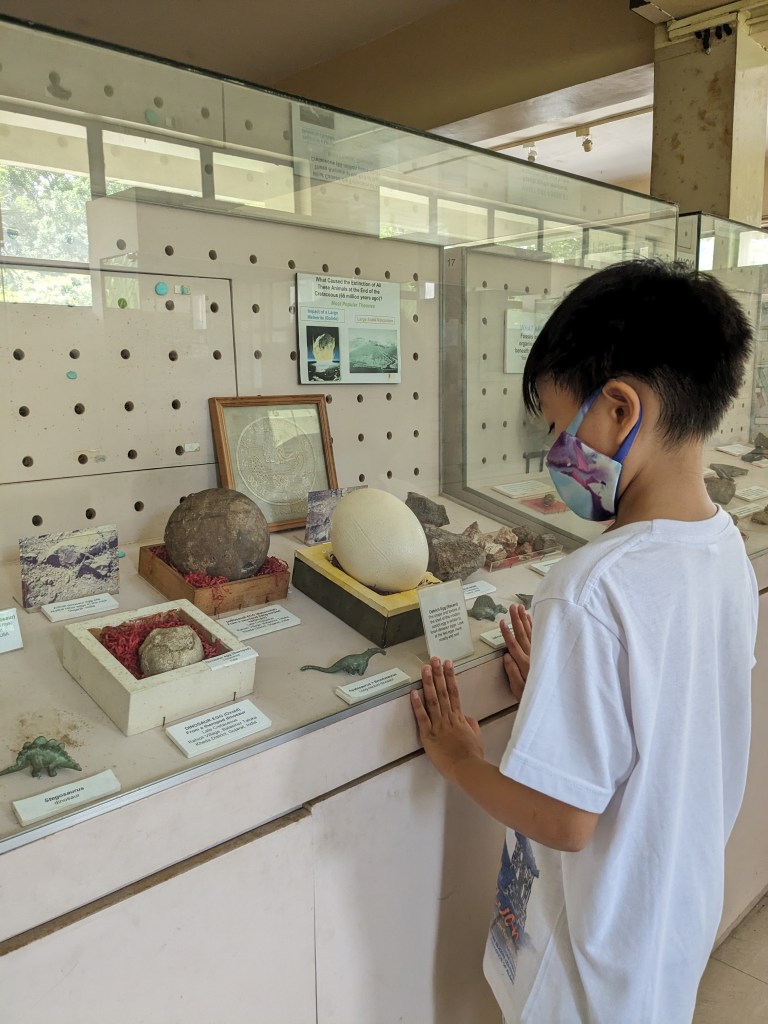
My geology tours offer children an engaging alternative learning experience, where they grasp earth science concepts through hands-on exploration. By using tangible tools like maps, an interactive sandbox, museum exhibits featuring rocks, minerals, and fossils, and disaster preparedness drills, kids gain a deeper understanding of the Earth’s processes. These immersive tours help foster an appreciation for nature and highlight the important societal roles that geologists play.
In addition to geology tours, I regularly invite children to join my two kids and me on nature walks, where they can experience the birds and trees they’ve only read about in books. On a recent walk through my university, we observed at least five different bird species. After the sightings, we engaged the kids in a fun and creative activity by painting a local bird, the yellow-vented bulbul. These nature walks not only introduce children to local wildlife but also encourage creativity and foster a deeper connection to the environment.
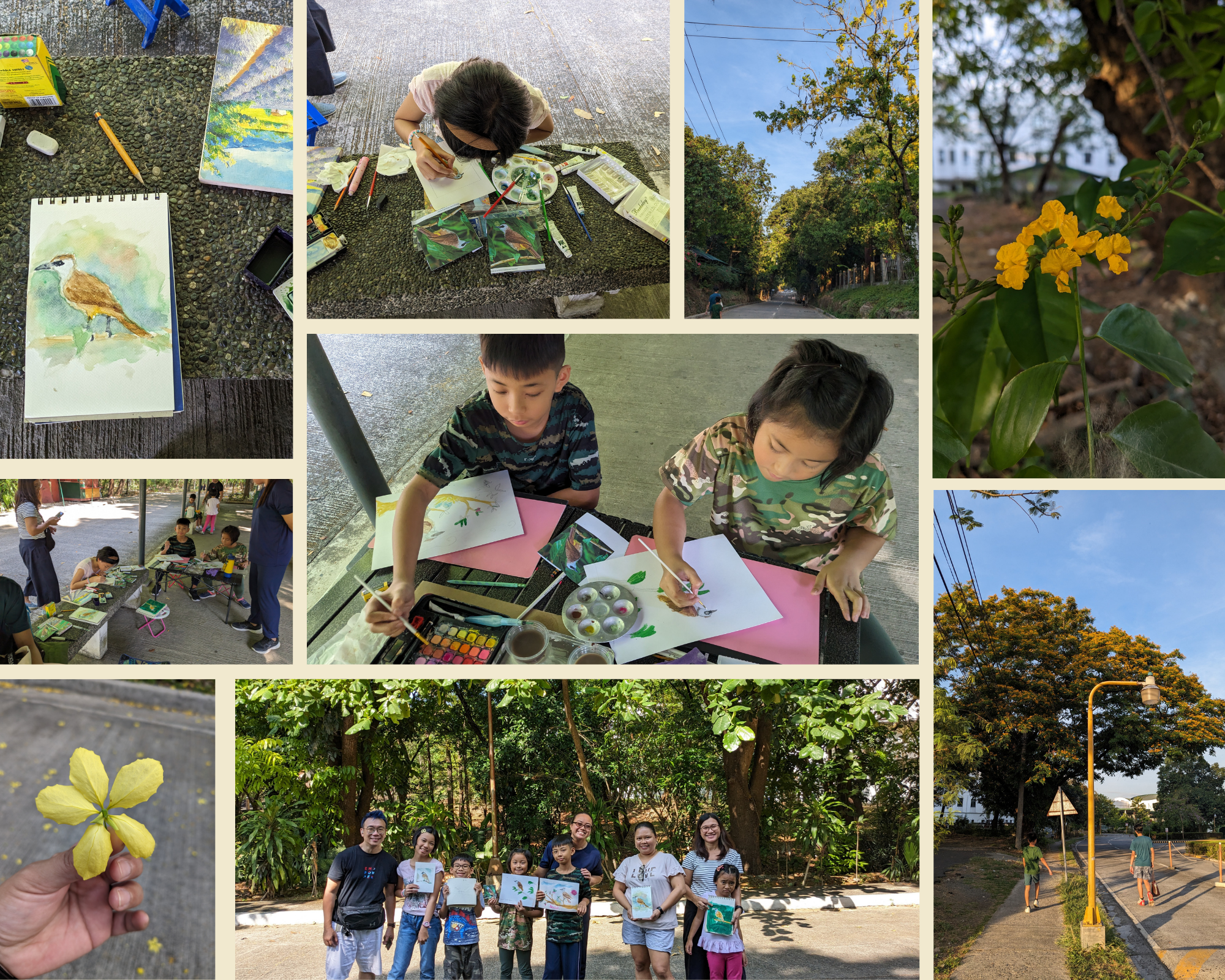

Although I had to pause the Geology Tours during the pandemic, I continued connecting with the homeschooling children through virtual painting classes. In one session, I invited a guest expert to teach us about fossils. Afterward, we painted an ammonite fossil using watercolors. You can read more about it here:
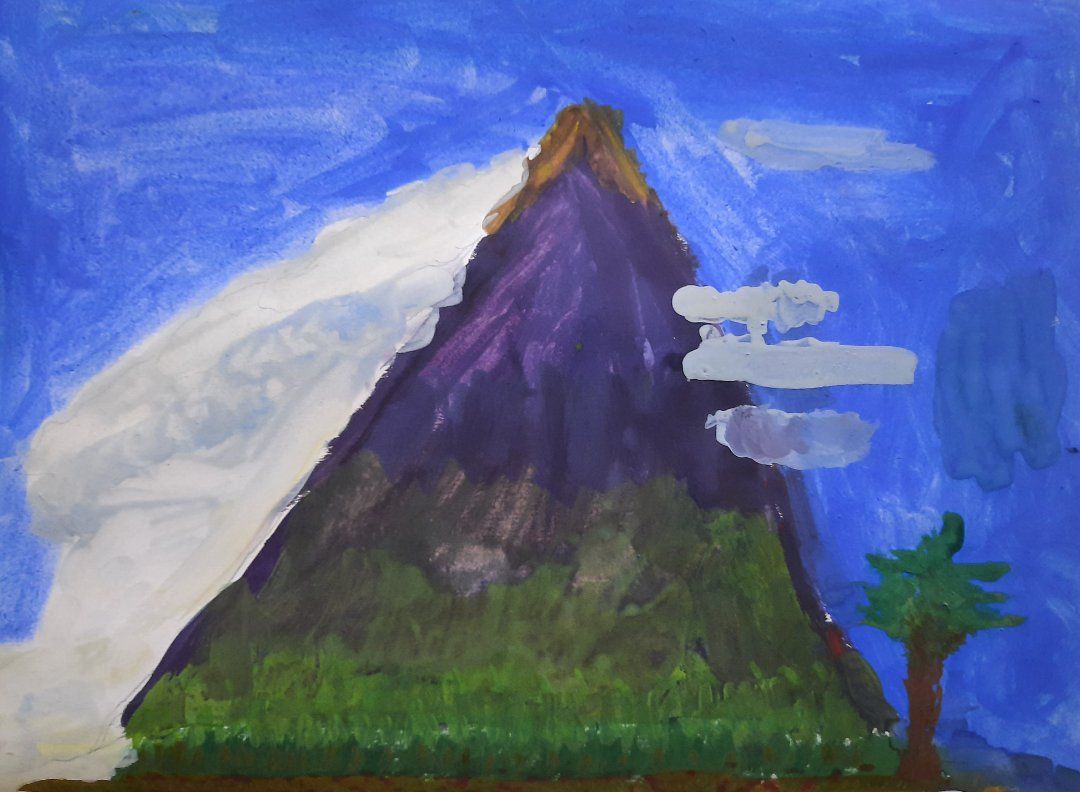
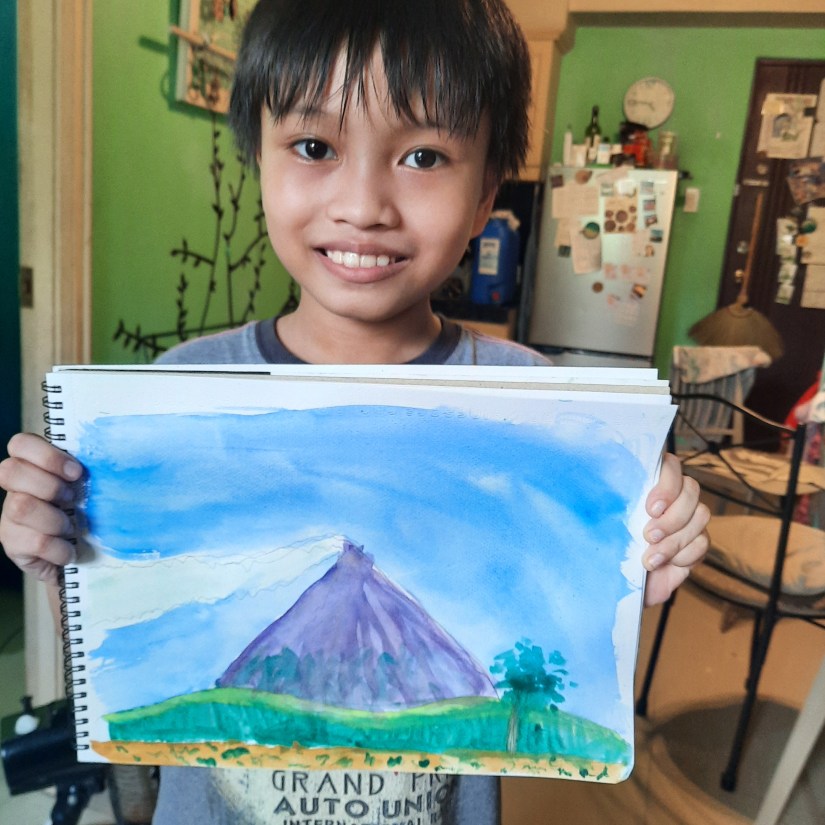
We painted Mayon Volcano:
The photo on the right showcases one of my student’s artworks created with poster colors. Given the children’s awareness of recent volcanic eruptions in the Philippines, we decided to paint the country’s most iconic and beautiful volcano—Mayon Volcano.

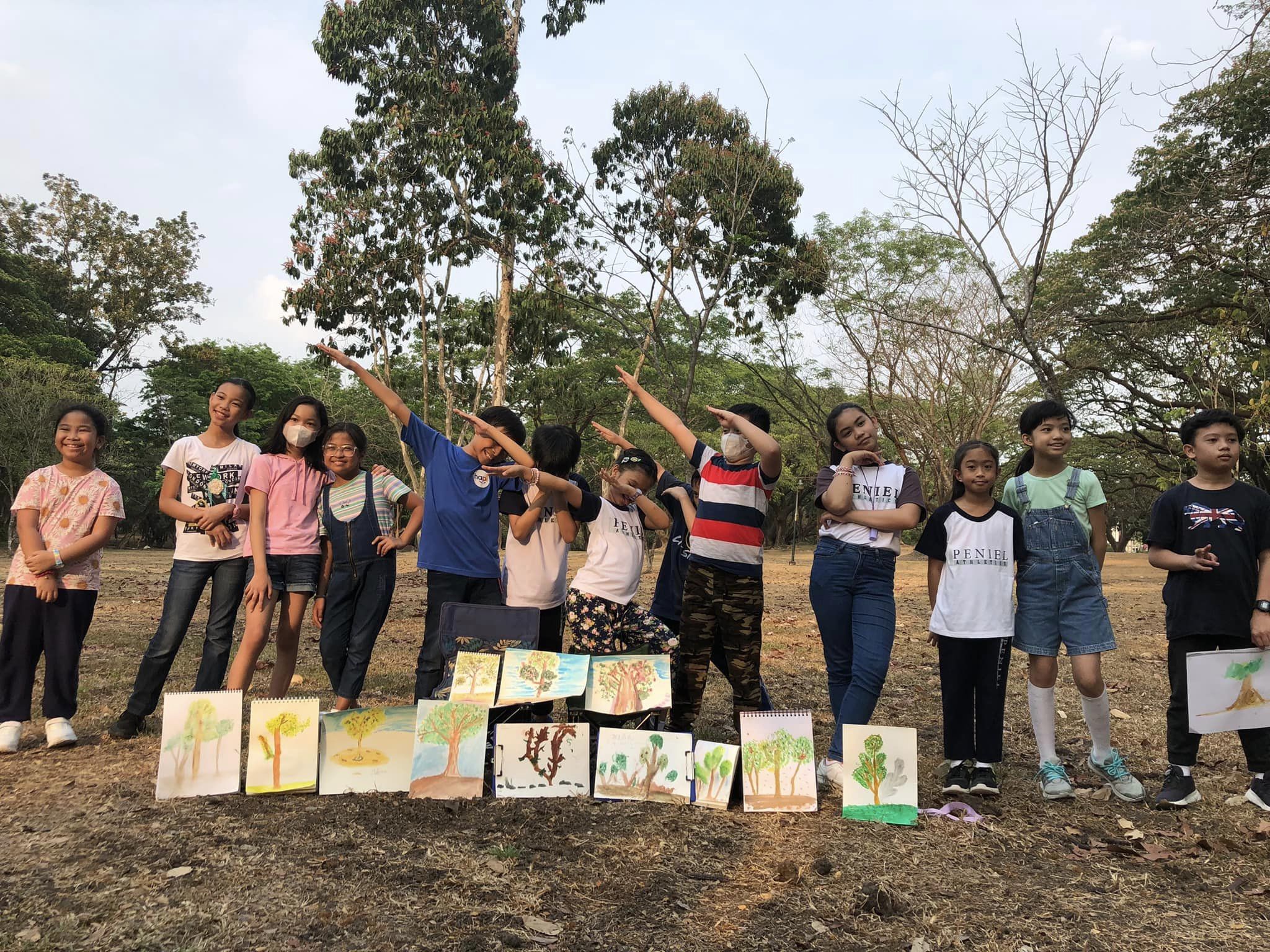
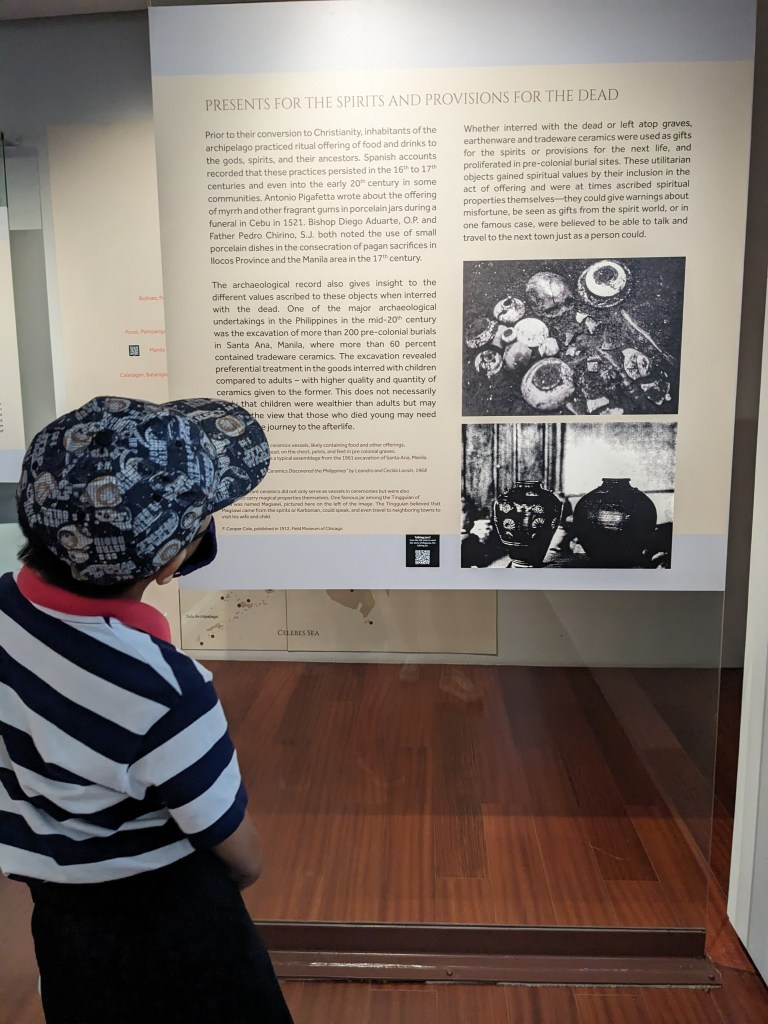
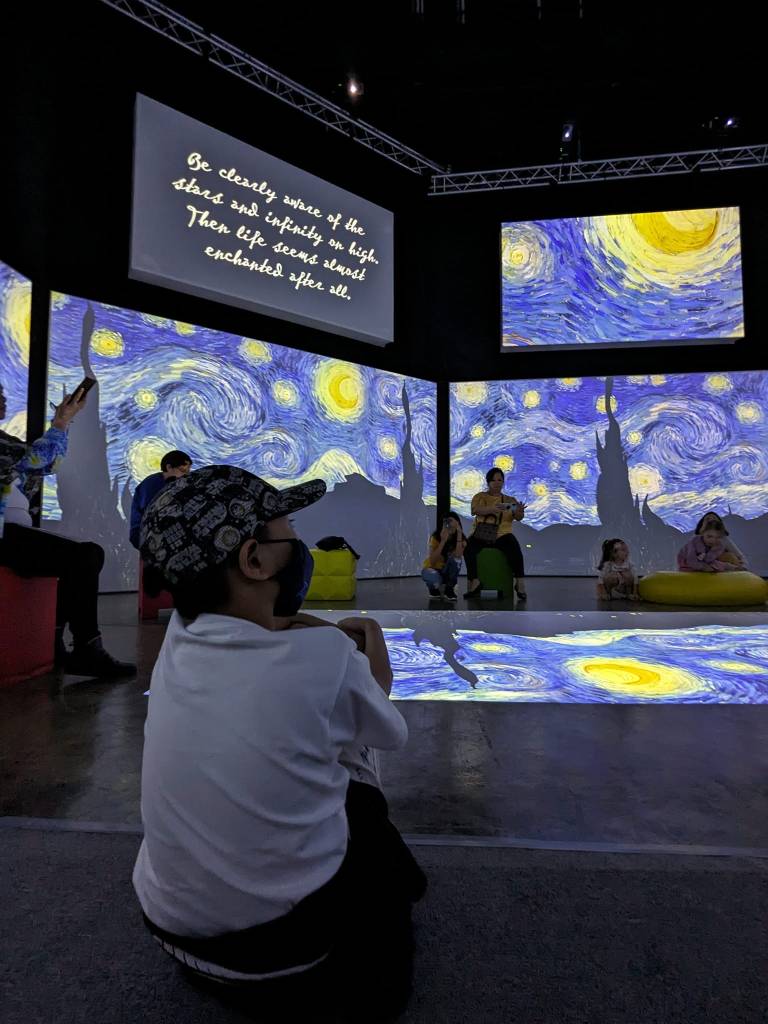
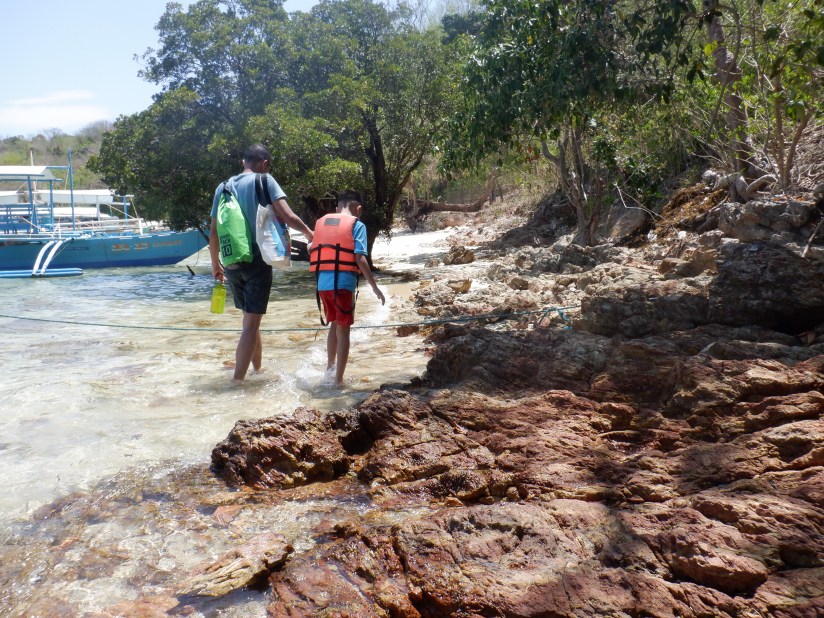
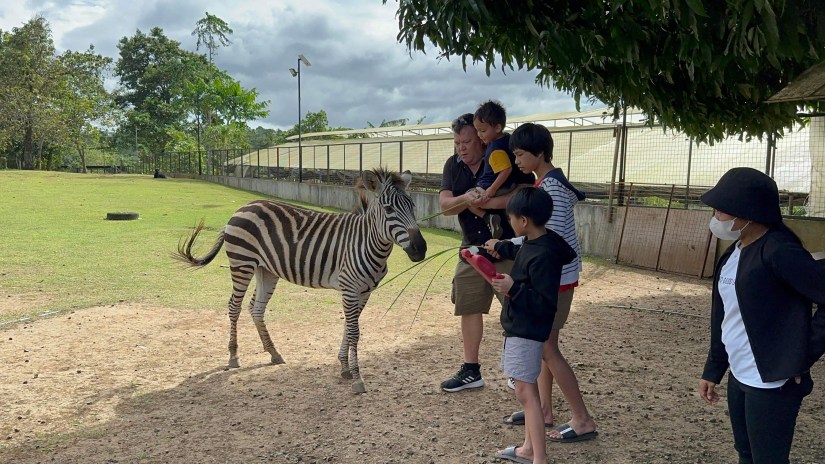
From galleries and museums to the great outdoors, I make it a priority to take my own kids to these rich learning environments. Education isn’t confined to the four walls of a classroom or our home—it can happen anywhere. The more children are exposed to nature and the arts, the more their perspectives expand and deepen.









 The Fabulous Scientist