
Grass Padrique | The Fabulous Scientist
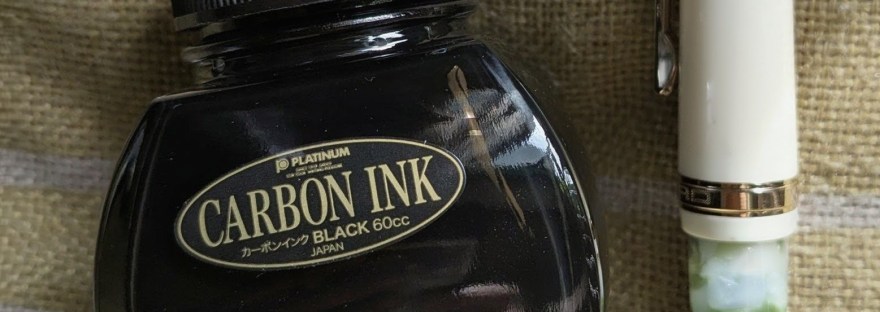
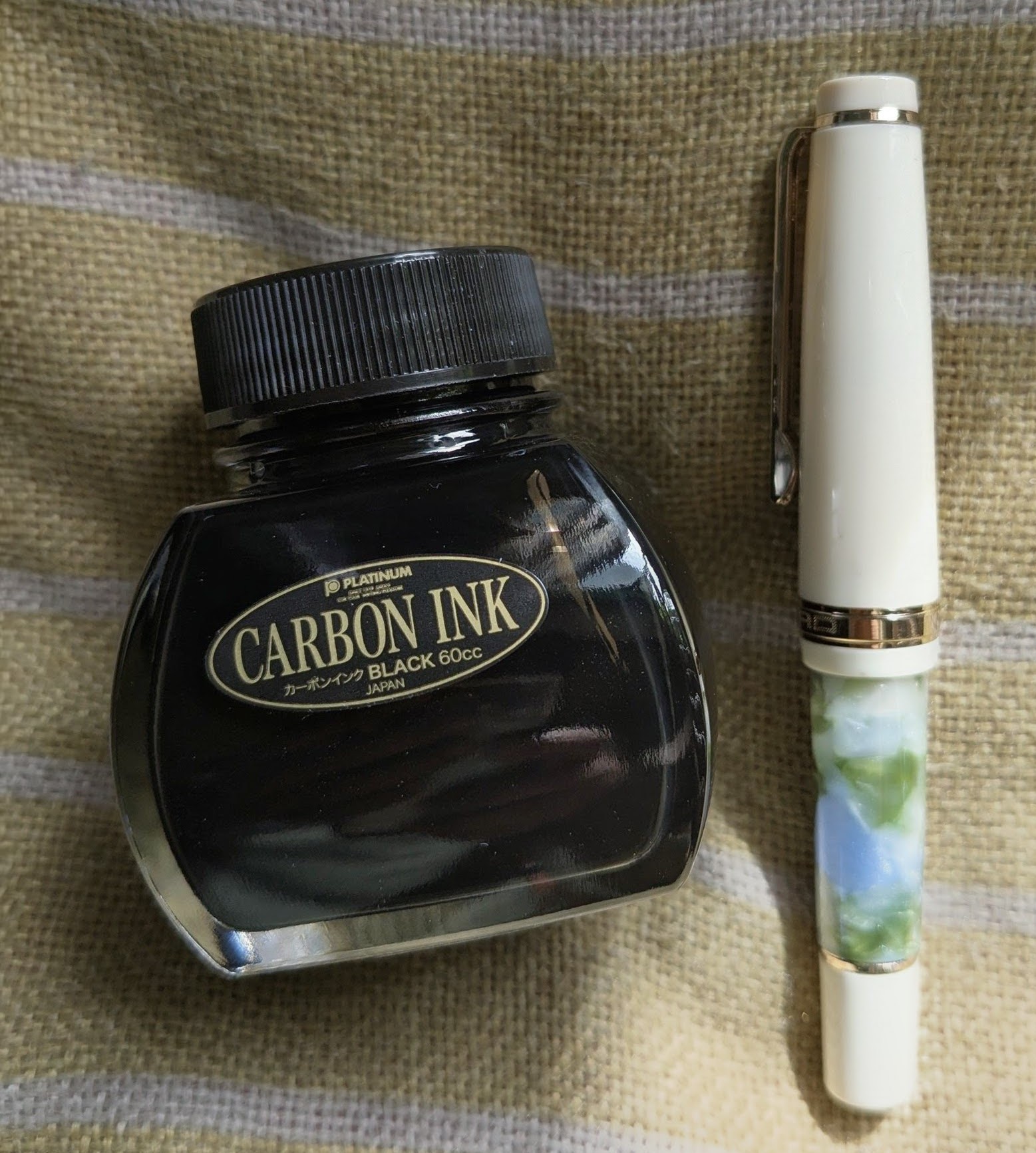
One of the most talked-about permanent black inks in the fountain pen world is Platinum Carbon Black Ink. It has been a favorite among artists, sketchers, and fountain pen enthusiasts for years, especially for people who need their writing to survive water, humidity, and time.
What makes this ink different from many other fountain pen inks is its composition.
Unlike typical fountain pen inks that are dye-based, Platinum Carbon Black is a pigment-based ink. It contains extremely fine carbon particles suspended in liquid, rather than dissolved dye molecules. When the ink dries on paper, the liquid evaporates and the carbon particles remain embedded in the fibers of the paper. This is what gives the ink its well-known waterproof and archival qualities.
However, the same feature that makes the ink durable on paper also explains why fountain pens filled with it require a bit more care.
Because the ink contains microscopic particles, those particles can settle or accumulate inside a pen particularly in the feed section if the ink is left unused for long periods. Over time, they may clog the feed or restrict ink flow. For that reason, most users recommend regular use and occasional cleaning of the pen, especially if the pen will be stored for a while. With normal maintenance, though, many people use this ink daily without problems. Here’s a video on how to clean your fountain pens:
https://www.youtube.com/watch?v=yF9IRI5WxXg&t=206s
The Pen I Paired It With
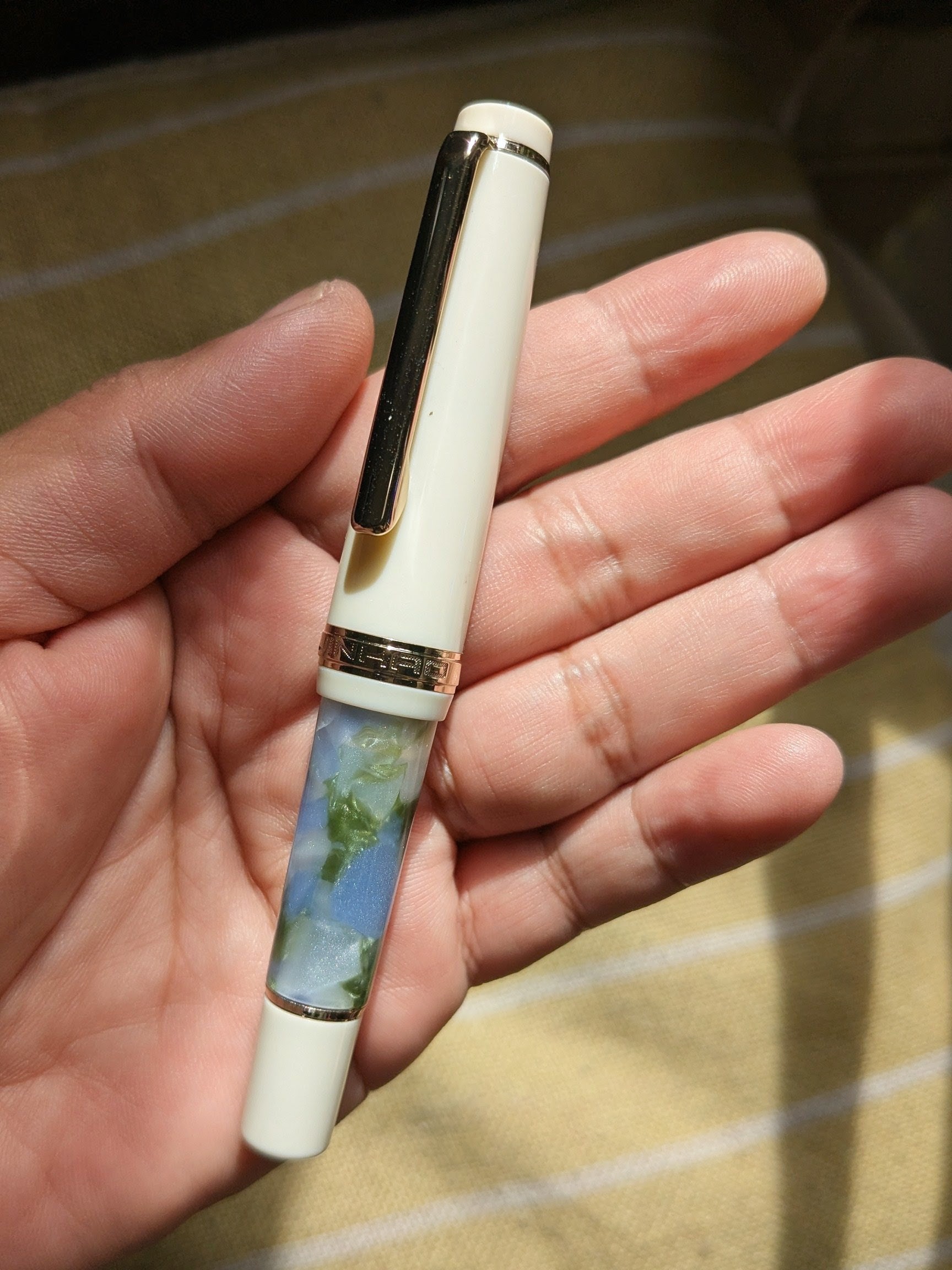
For this ink, I decided to dedicate a brand new pen: a Jinhao 82 Mini in a lovely chatoyant seaweed green colorway with a medium nib.
I figured that if I was going to try a pigmented ink, it made sense to pair it with a pen that could live with it permanently.
So far, the combination has been excellent.
Writing Experience
One of the first things I noticed is how well the ink behaves on almost any type of paper.
Even on regular bond paper (80 GSM), the ink lays down cleanly with very little feathering. There is a bit of bleed-through, which is expected for a wet medium nib and a heavily pigmented ink, but the line itself remains crisp and readable.
On fountain pen–friendly papers, however, the writing experience becomes even better. The pen glides smoothly across the page with just the tiniest bit of feedback, which I personally enjoy. It gives the writing a pleasant tactile feel without feeling scratchy.
The Real Reason I Love This Ink
What really sold me on Platinum Carbon Black is its water resistance.
Living in a tropical country like the Philippines, humidity and sweaty hands are simply part of daily life. With many of the fountain pen inks I’ve used before, even a little moisture could smudge the writing or cause the ink to fade.
That can be frustrating, especially when writing notes, signing documents, or jotting down ideas you want to keep.
Platinum Carbon Black solves that problem beautifully.
The ink takes about 30 seconds to dry, and once it does, it becomes fully waterproof. Water no longer affects the writing, which makes it incredibly useful for important notes and documents that need to last.
Another great feature of the Platinum Carbon Black ink is the inclusion of a plastic miser inside the bottle. Here’s a list of reasons why that is great for us fountain pen users:
1. Makes Filling Easier When the Ink Level Gets Low
As you use ink from the bottle, the level gradually drops. At some point, the remaining ink may become too shallow for a fountain pen nib to fully submerge during filling.
The plastic miser solves this by creating a smaller internal reservoir. When you tilt the bottle slightly, the insert helps collect the remaining ink into a deeper pocket, allowing you to fully submerge the nib and continue filling your pen even when the bottle is nearly empty.
2. Reduces Ink Waste
Because the insert concentrates the remaining ink into a smaller space, it becomes much easier to use almost all the ink in the bottle instead of leaving a thin, unreachable layer at the bottom.
For fountain pen enthusiasts, this is especially useful with premium inks.
3. Helps Stabilize the Bottle Opening During Filling
The insert also partially covers the mouth of the bottle, which can help reduce splashing and sloshing when inserting or removing a pen nib.
4. Particularly Helpful for Pigmented Ink
Since Platinum Carbon Black is pigment-based, users often refill from the bottle rather than transferring the ink to other containers. The miser makes it easier to safely access the ink even when only a small amount remains.
A Small Design Detail Fountain Pen Users Appreciate
It’s a small piece of plastic, but it reflects the thoughtful design philosophy of Platinum Pen Co.. Many fountain pen users actually wish more ink brands included these inserts, because they make the filling process cleaner and more efficient.
In short, the ink miser helps you get the most out of every drop of ink in the bottle.
Final Thoughts
After spending some time with this ink, I can confidently say that I love it.
The color is a rich, deep black. The performance is consistent across different papers. And the waterproof quality makes it practical for everyday writing—especially in a humid climate.
My only real regret is that I didn’t try it sooner.
I had already seen countless positive reviews online, particularly from sketchers and artists on YouTube who rely on it for ink-and-wash drawings. Yet somehow it took me this long to finally give it a try.
Now that I have, I suspect Platinum Carbon Black will remain a permanent resident in my fountain pen rotation.
And honestly, it might have been worth the wait.
How about you? Have you tried this ink yet? Please share your thoughts in the comments.
Discover more from The Fabulous Scientist
Subscribe to get the latest posts sent to your email.

 The Fabulous Scientist