
Grass Padrique | The Fabulous Scientist
During the pandemic, something as simple as buying vegetables suddenly became difficult. Lockdowns disrupted supply chains, grocery trips became less frequent, and fresh produce was sometimes hard to find.
Looking for alternatives, I asked a friend about urban gardening—specifically something that could work in a condo. She immediately suggested hydroponics.
At the time, I knew very little about it. But the idea of growing vegetables without soil sounded both strange and fascinating enough to investigate. I started reading books and combing through online guides, learning about different hydroponic systems that could work indoors. Before long, I was gathering supplies and setting up my own containers using the Kratky method right at home.
What followed was a small but memorable experiment.
There were plenty of trial-and-error moments—figuring out nutrient solutions, adjusting lighting, and learning how plants behave when their roots grow in water instead of soil. But every challenge was also a small discovery. Watching roots stretch into the nutrient solution and seeing the first leaves appear felt like witnessing a tiny science experiment come to life on my table.
That first experience sparked a lasting appreciation for hydroponics and the possibilities of growing food even in small indoor spaces.
I eventually wrote about that early adventure in my blog. The article below was the very first post I published about my hydroponics experiment:
At the time, I had just discovered the Kratky method, an elegantly simple approach to hydroponic gardening developed by Bernard A. Kratky. What makes the method so appealing is how accessible it is. Unlike many hydroponic systems that require pumps, timers, and circulating nutrient solutions, the Kratky method works quietly in the background. Plants sit in a container filled with nutrient solution, and as the water level slowly drops, the roots naturally adapt—some reaching deeper into the water to absorb nutrients, while others grow into the air to breathe. No electricity, no moving parts—just plant biology doing what it does best.
In that early experiment, I grew leafy vegetables indoors using repurposed food containers and glass jars, a basic nutrient solution, and a healthy dose of curiosity. To my surprise, the system worked remarkably well. What looked like a humble tabletop science project actually produced fresh, edible greens. In a small apartment, those little containers became a tiny indoor garden.
I kept notes on how the plants grew, experimented with different light sources, and watched the roots stretch and branch under the water. Some days nothing seemed to happen, and then suddenly a new leaf would appear. It was a simple process, but endlessly fascinating. The experience showed me that with a little creativity—and a few recycled containers—it was entirely possible to grow food even in a small urban space.
That small experiment planted a bigger idea: that urban gardening doesn’t always need a backyard. Sometimes, it just needs a jar, a window, and a bit of curiosity.
But like many hobbies, life happened. The hydroponics setup was eventually dismantled, and my indoor vegetable-growing adventures went on hiatus.
Until recently.
Why I Returned to Hydroponics
There were a few reasons that nudged me back into growing vegetables indoors again.
1. Vegetables Are Getting Expensive
If you’ve bought vegetables recently, you probably noticed the same thing I did: prices keep creeping up. Even simple leafy greens can suddenly feel like luxury items depending on the season.
Growing even a small portion of our own vegetables indoors won’t completely replace grocery shopping, of course. But it does make a noticeable dent—and there’s something deeply satisfying about harvesting something you grew yourself five minutes before it lands on your plate.
2. Freshness Matters
Another issue I’ve noticed is freshness. By the time vegetables arrive in grocery stores, they’ve often traveled quite a bit and spent time in cold storage. They’re perfectly edible, but they’re rarely at peak freshness.
When you grow them yourself, “farm to table” becomes more like “tabletop to table.”
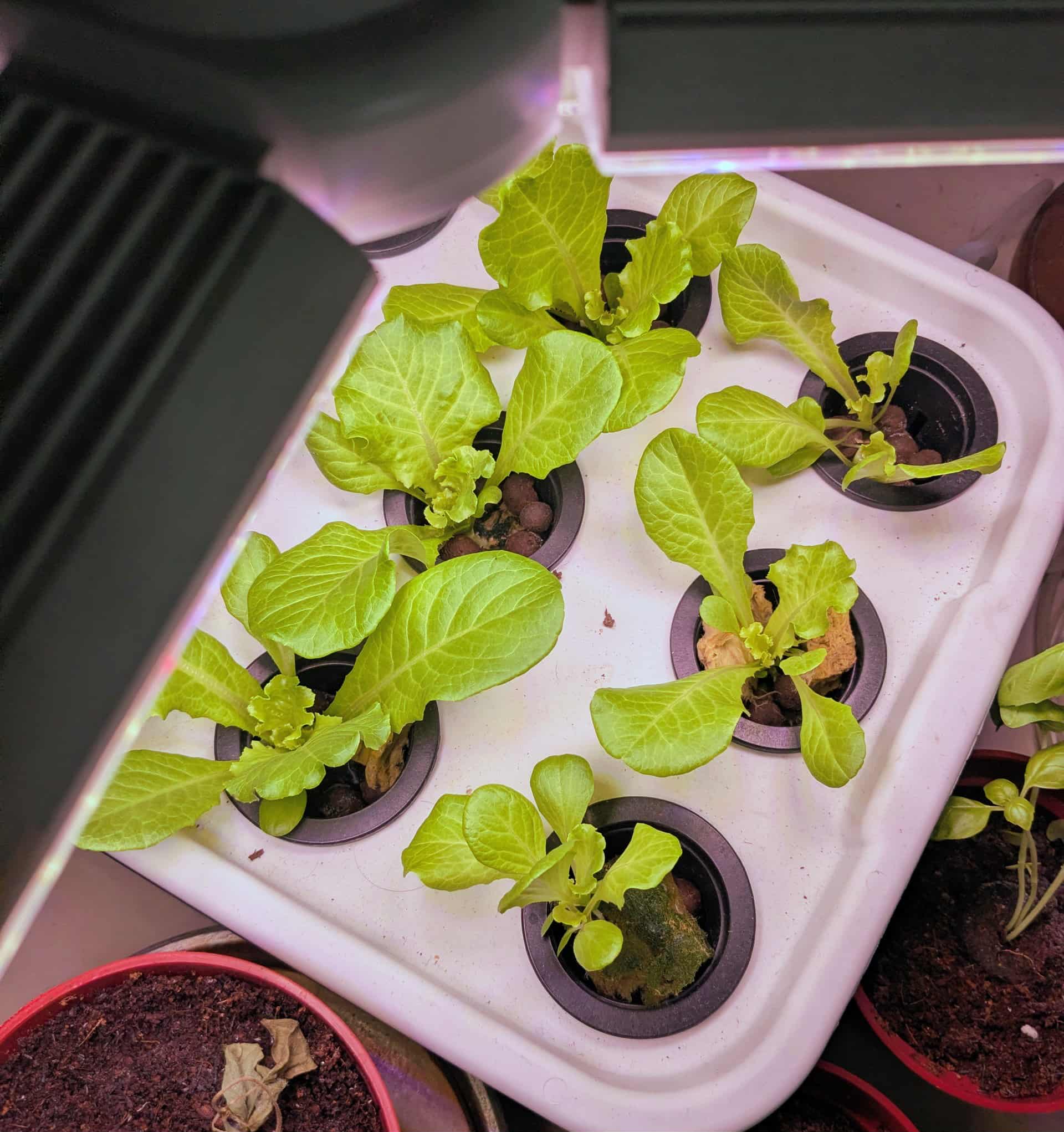
Harvesting lettuce seconds before making a salad is a very different experience from pulling a plastic bag of greens out of the fridge and wondering when exactly they were harvested.
3. A Science Project for the Kids
The third reason is perhaps the most important one: my kids. I wanted them to see where food comes from—and ideally to participate in the process. Hydroponics turns out to be a fantastic gateway into plant science. It’s visual, interactive, and surprisingly forgiving for beginners.
Roots grow in clear containers. Leaves visibly expand day by day. Nutrient solutions become an easy way to explain how plants obtain minerals.
Making the System Smarter
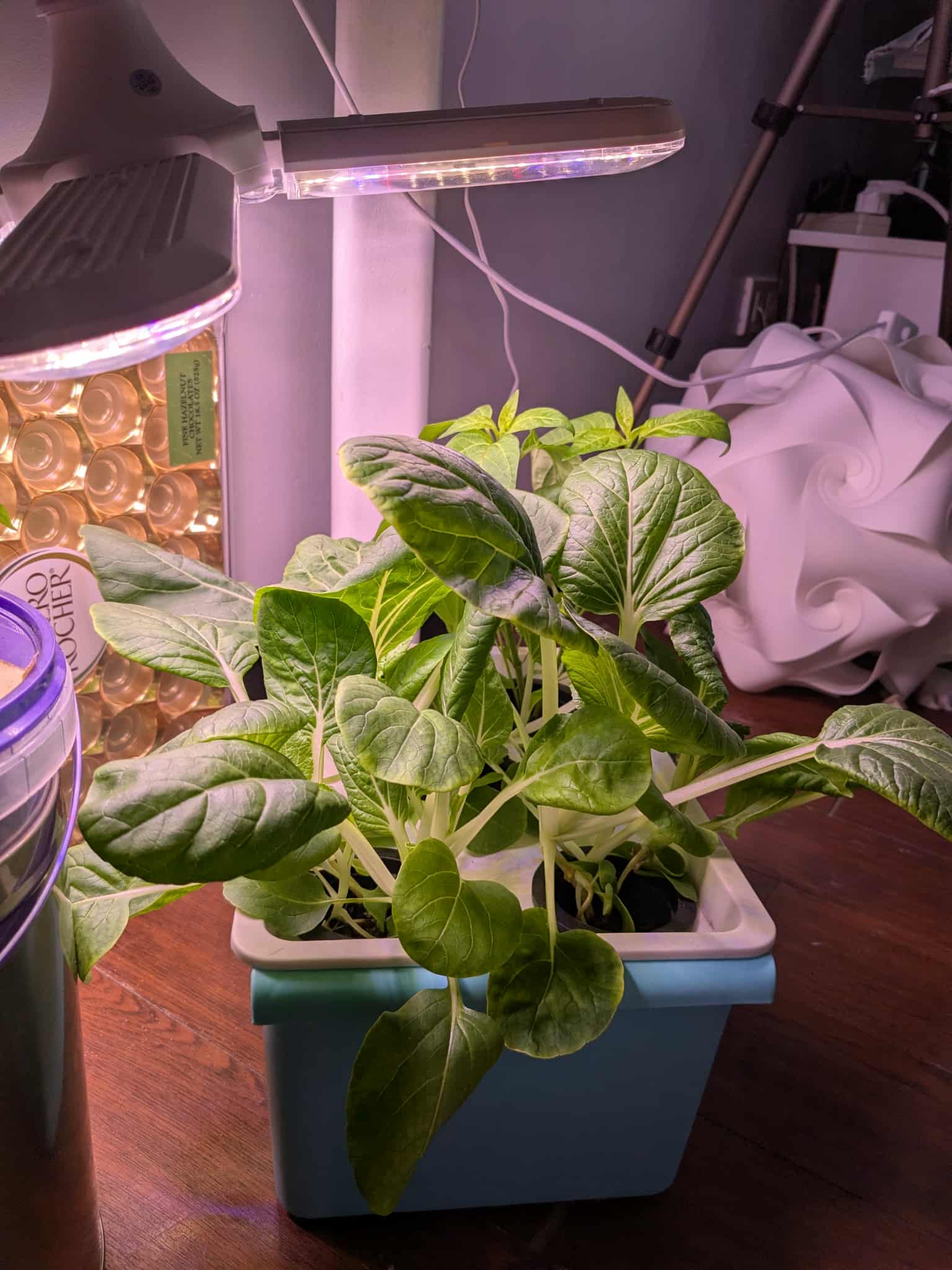
While my first hydroponics setup was intentionally simple, this time around I decided to add a bit more technology to enhance my gardening experience. Not because the plants demanded it—but because automation makes life easier and more efficient. As a geologist and someone who loves to travel frequently, my goal is to cultivate a thriving garden that thrives even when I’m away from home for a few days.
Smart Grow Lights
One of the upgrades I made was installing grow lights connected to Wi-Fi–controlled smart plugs.
This allows me to:
- Schedule exactly how many hours the lights stay on
- Turn them on or off remotely
- Adjust lighting schedules depending on the plant’s growth stage
Instead of manually switching lights every day, I can control everything from an app on my phone. The plants get consistent lighting, and I don’t have to remember whether I turned the lights off before going to bed. I’ve also added USB-powered air stones for the Kratky system (photo below).
An air stone is a small, porous object—usually made from ceramic, mineral, or sintered stone—that is connected to an air pump through a tube. When air is pushed through it, the stone breaks the airflow into many tiny bubbles. Those bubbles rise through the water and add oxygen to the nutrient solution.
In hydroponics, air stones are used to improve root health and plant growth.
A Compact Tabletop Hydroponics System
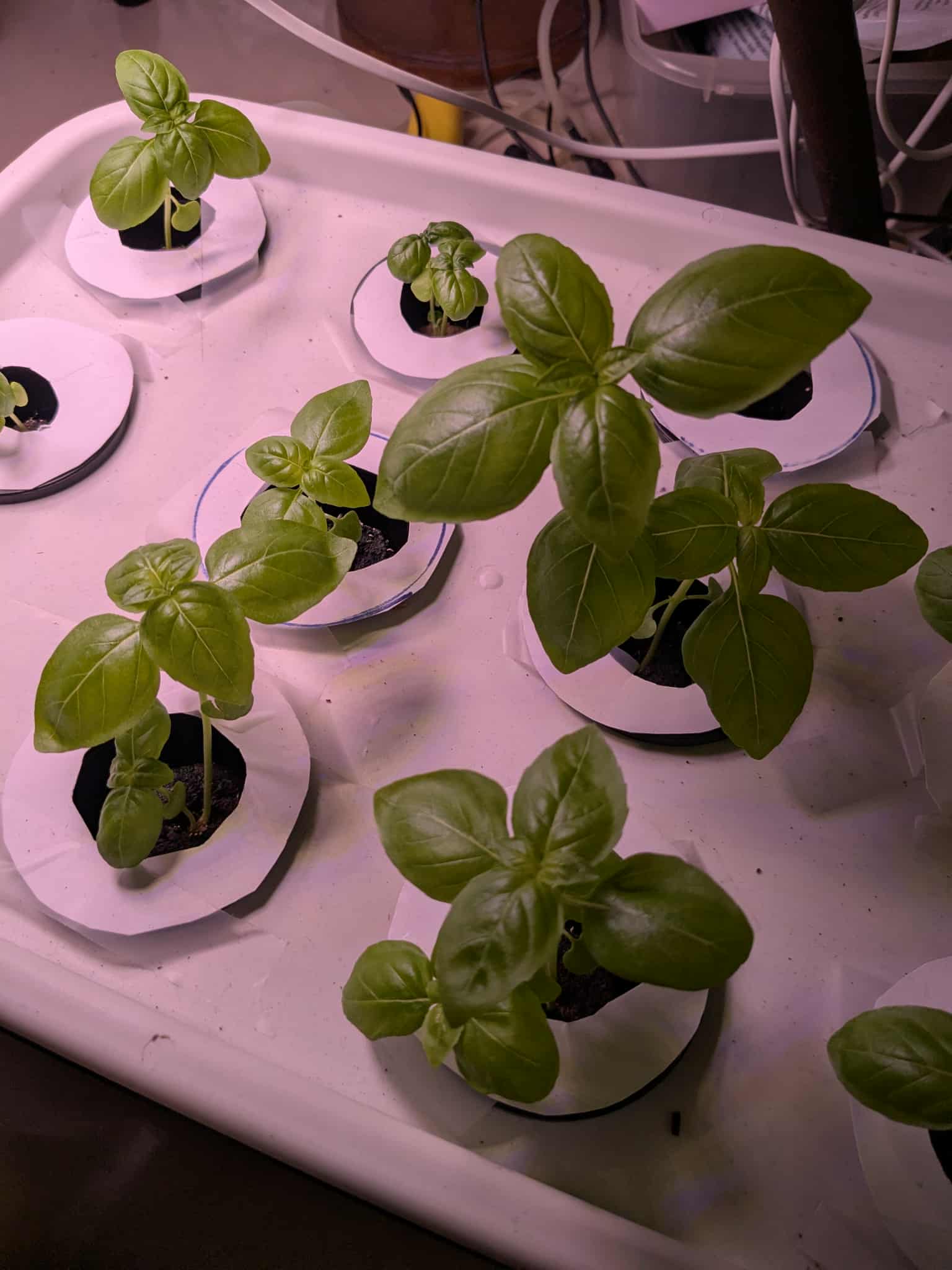
I also added a small tabletop hydroponics unit to the mix.
Compared to my original DIY containers, this system is far more compact and automated. It includes:
- A built-in water pump that periodically circulates the nutrient solution
- Automatic on/off cycles for aeration
- App connectivity for monitoring and control
- A clean tabletop design that doesn’t make the living room look like a laboratory experiment
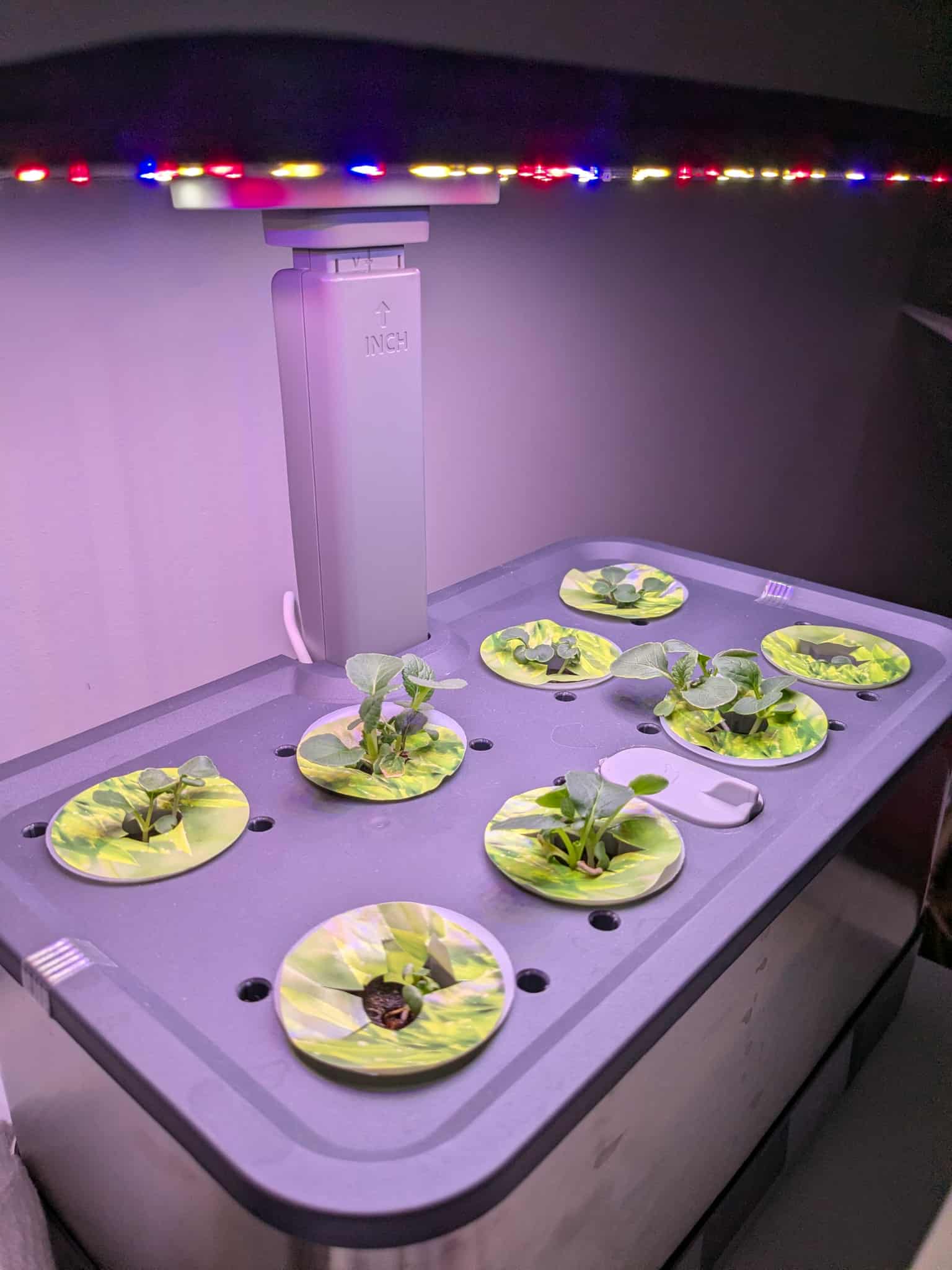
The pump wonderfully oxygenates the nutrient solution, which accelerates root growth and promotes vibrant health, far surpassing my other completely passive systems. Best of all, the entire setup occupies minimal space, making it a breeze to maintain in the long run! Photo below is my compact hydroponic system by Yieri that I can control using an app on my phone.
Hydroponics as a Household Hobby
What I’ve rediscovered is that hydroponics beautifully blends science, food, and creativity. It’s easy and exciting to start with recycled containers and a basic nutrient solution, yet it can also evolve into a wonderfully sophisticated setup with smart lighting and automated pumps. My current system strikes a perfect balance between simplicity and innovation. It’s easy to maintain, smart enough to enhance convenience, and intriguing enough that the kids love to wander over and explore the roots like little plant scientists, sparking their curiosity and wonder.
In case you’re wondering, for my passive systems, I use 36-W and 48-W LED lights. Both are available in Lazada and tried-end-tested by me. You can see that these are sufficient for my green leafy vegetables. For nutrient solution, I’m currently experimenting with three brands and I can talk about these brands in my next blog article.
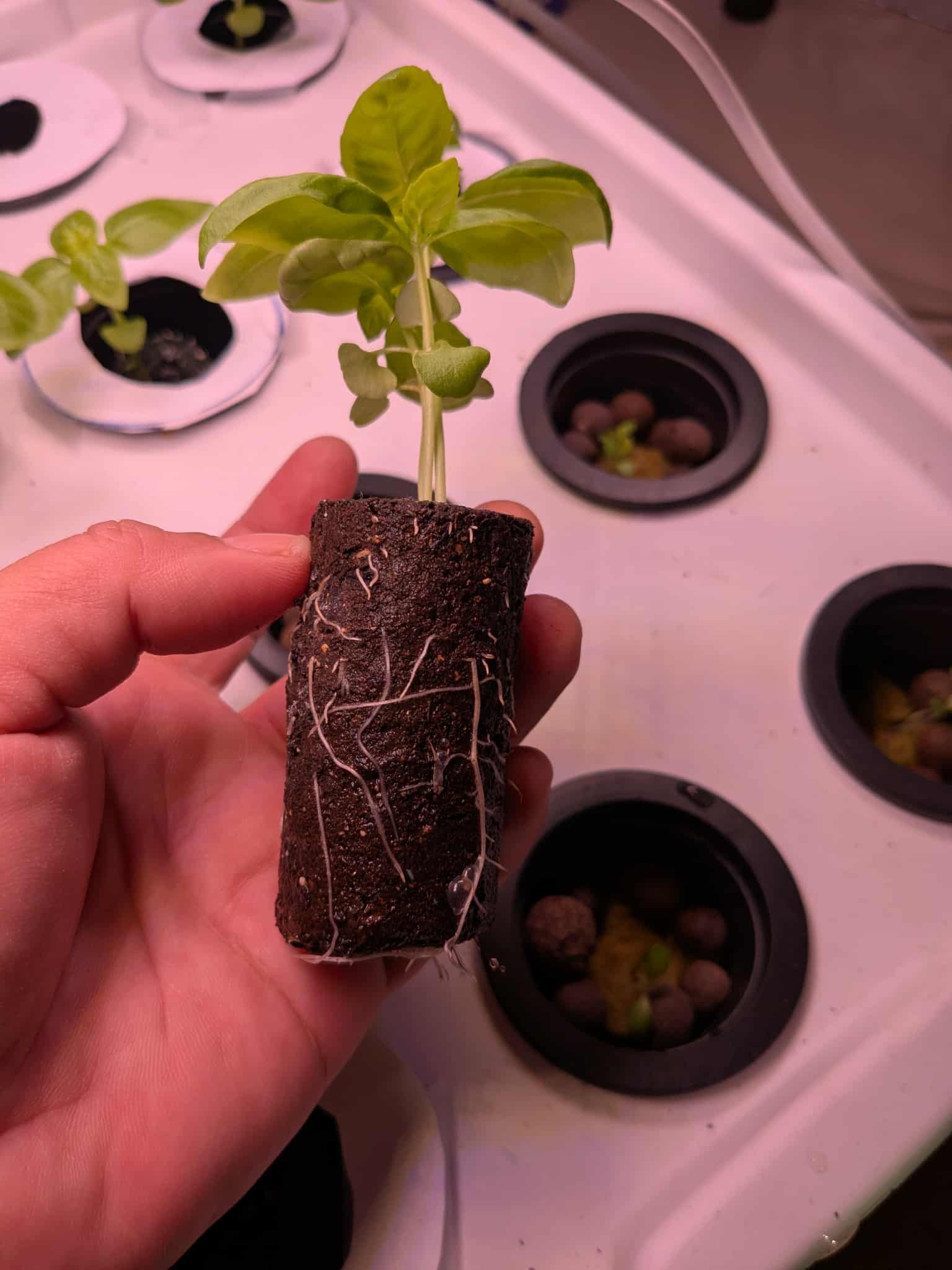
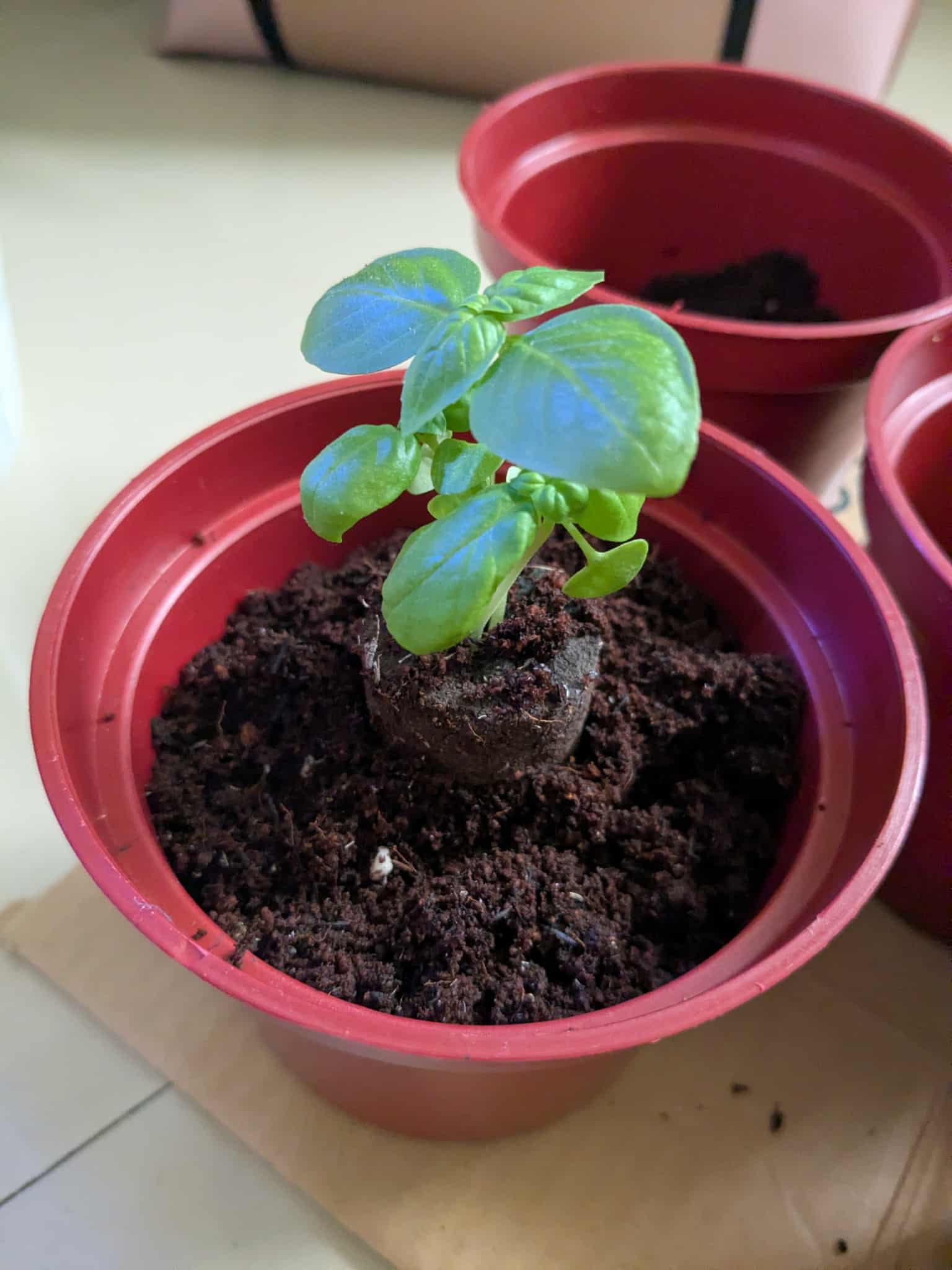
I’ve also transferred the Genovese basil into pots with soil and so far they are thriving. I used a compacted soil-free plug from Ramgo, a local store for farm essentials, for the basil and you can see the intricate root system that it developed within the plug (photo below).
How about you? Have you tried growing using Kratky hydroponics method?
Discover more from The Fabulous Scientist
Subscribe to get the latest posts sent to your email.

 The Fabulous Scientist