Working as a geologist in the industry has given me access to places in the Philippines that most people will never set foot in—areas classified as “red zones,” off-limits to tourists, and often overlooked on maps. For nearly five years, I was stationed in Mindanao, where some of the most remote and geologically hazardous sites lay waiting to be studied.
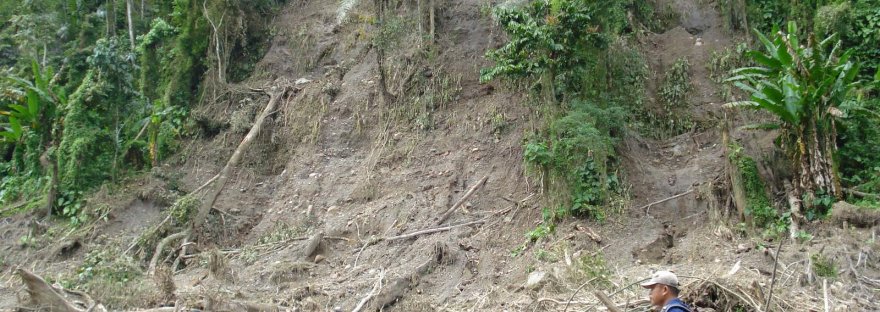
One such place was the 5th-income class municipality of Salvador, Lanao del Norte. A day before our scheduled fieldwork, we received an urgent call from the town’s mayor. A landslide had struck Barangay Buntong, killing six people—two of them children. As one of the geologists assigned to conduct hazard assessments in the region, I, along with two colleagues, were dispatched the following morning to investigate.
When we arrived, the mayor welcomed us into his home. He apologized that the only way to reach the landslide site was on foot—it was that remote. But what surprised me more was what he said next: he had arranged for two armed escorts to accompany us.
I was taken aback. Was this necessary? I had known Mindanao had its share of conflict zones, but having an armed escort made it feel all too real.
As we hiked toward the site, the signs of instability were everywhere—deep rills carved into the slopes, fresh scars from debris flows, and deposits of loose soil and uprooted vegetation at the base of the hills. Along the roadside, scouring from sand-laden rainwater had left gaping holes. It had been raining for days before the landslide, saturating the already unstable ground. The underlying rock? An old lahar deposit. A ticking time bomb of loose volcanic material, waiting for the right conditions to collapse.
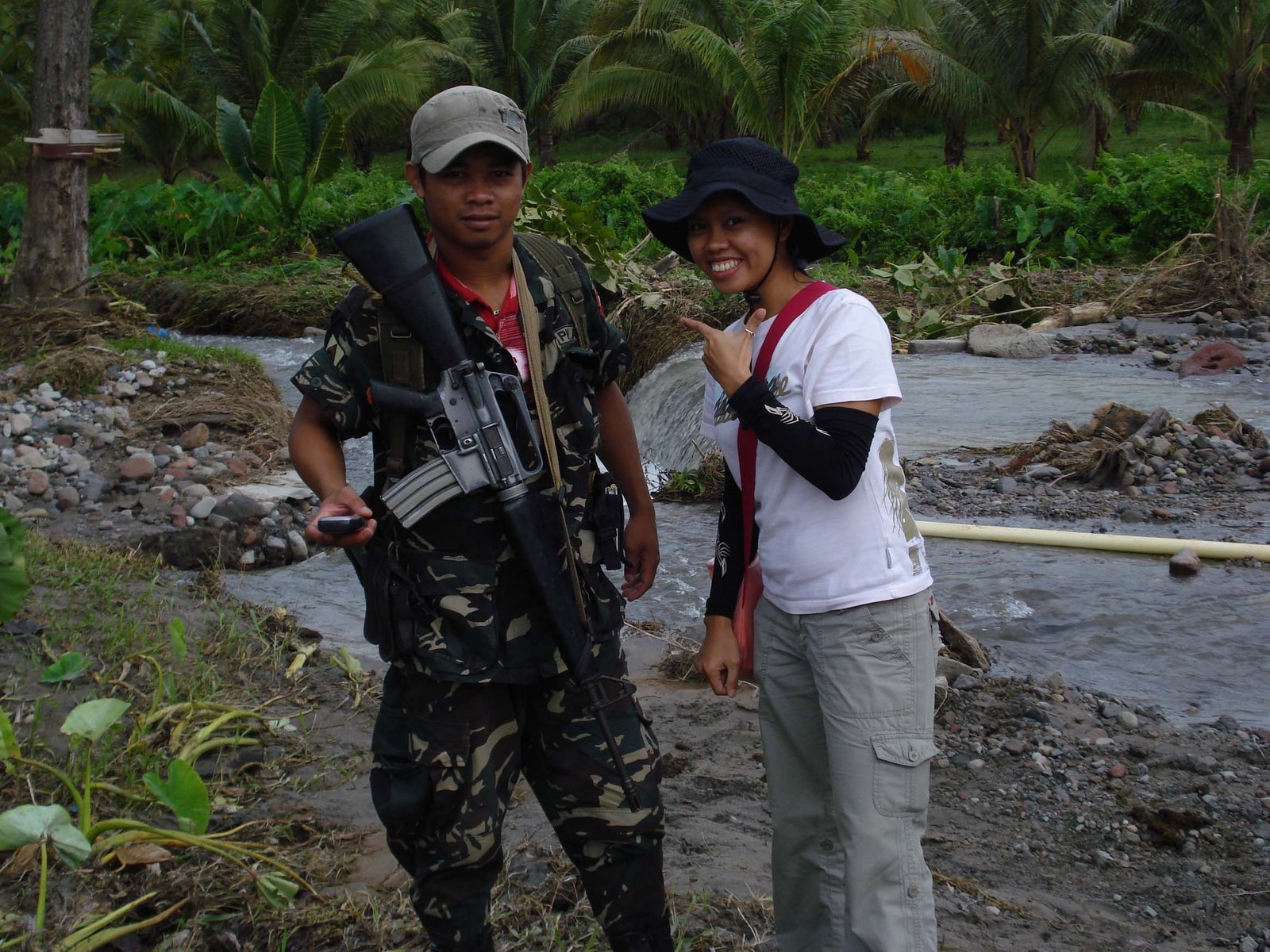
Despite the grim circumstances, our armed escorts were nothing but kind to us. They helped carry our equipment, pointed out terrain features, and even guided us to the wake of one of the victims. There, the village elders invited us to share a meal with them—a sign of deep respect and trust. For a Manila-born girl like me, this level of hospitality in a supposed “red zone” was unexpected.
It wasn’t until later that night, when we reached our hotel—a generous accommodation courtesy of the then-governor—that I learned the full truth.
The red zone we had walked through was under the control of the Moro Islamic Liberation Front (MILF). Our armed escorts? They weren’t just any security detail—they were MILF fighters. I hadn’t even recognized the insignia on their uniforms.
Had I known this beforehand, I probably would have been terrified. But in that moment, I realized something profound: the people I had been conditioned to fear were the very same people who ensured our safety, shared their food with us, and mourned their dead with open arms.
That day, my misconceptions about Mindanao and its people shattered. I had entered the red zone expecting danger, but I left with something far more powerful—a deep respect for the resilience, kindness, and quiet strength of the communities that called it home.

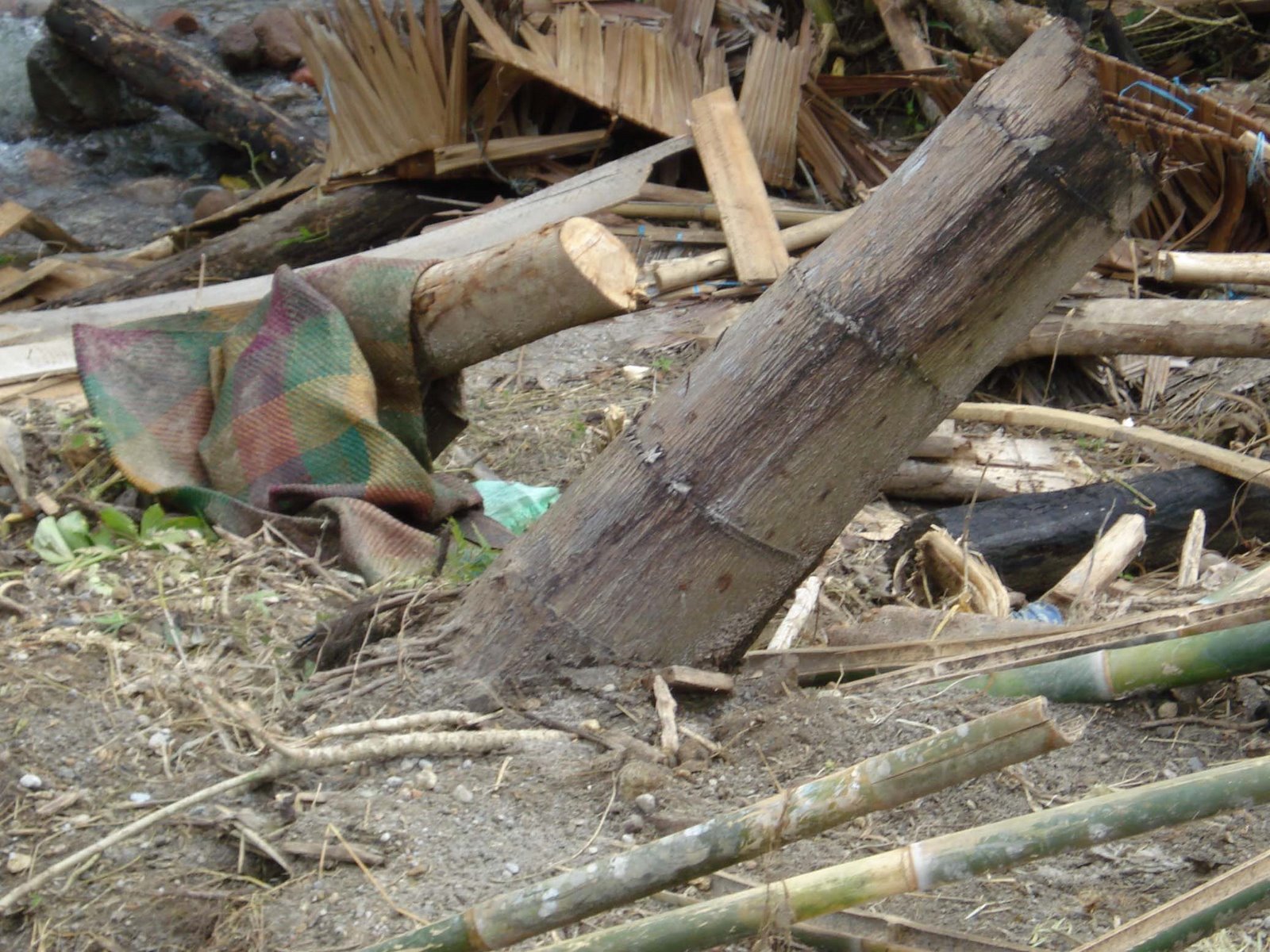
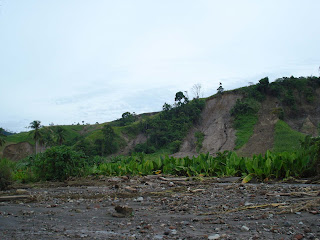
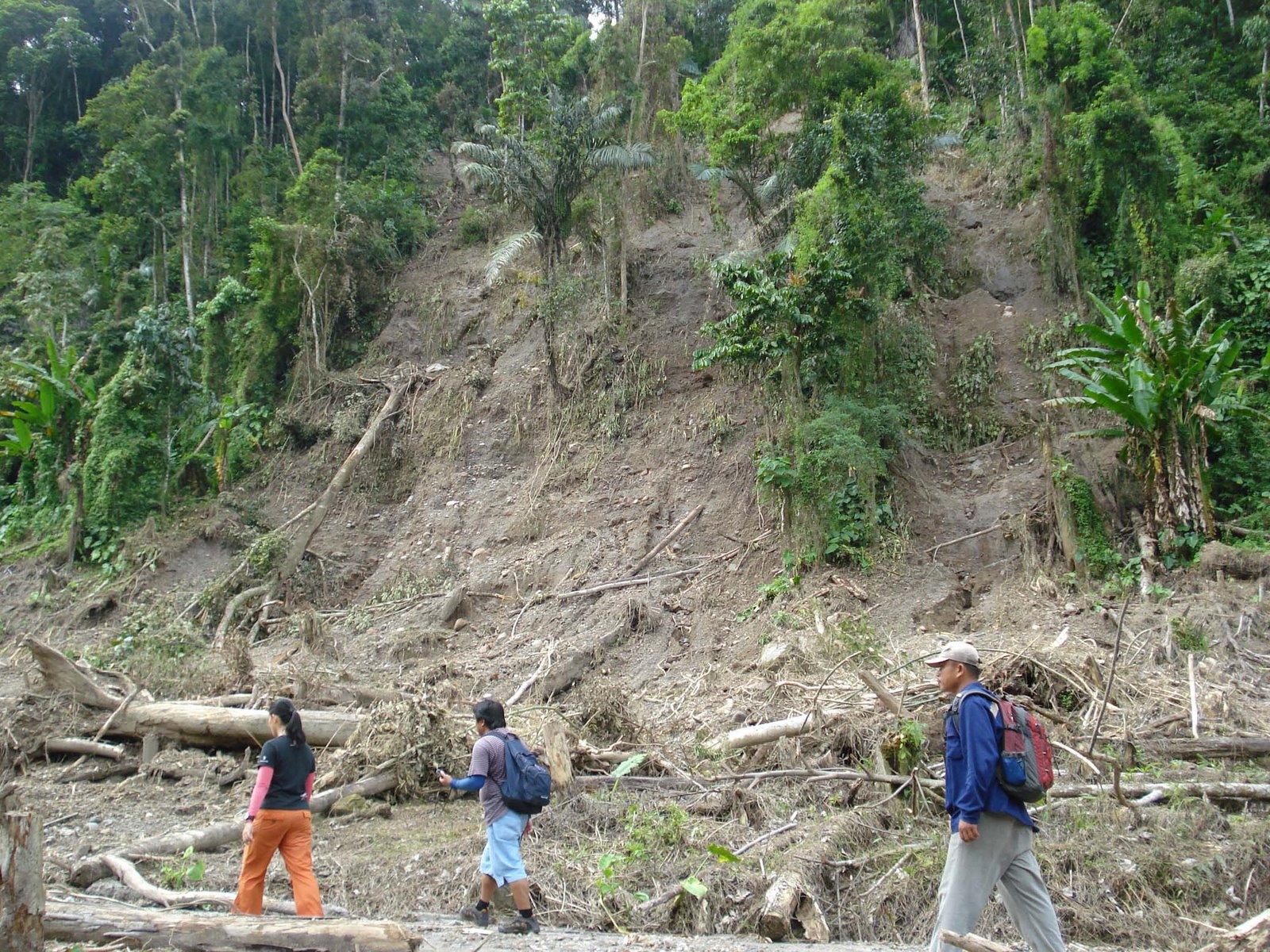
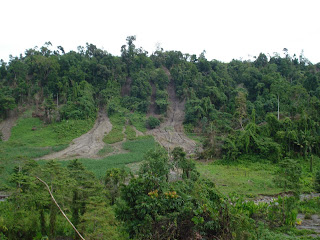
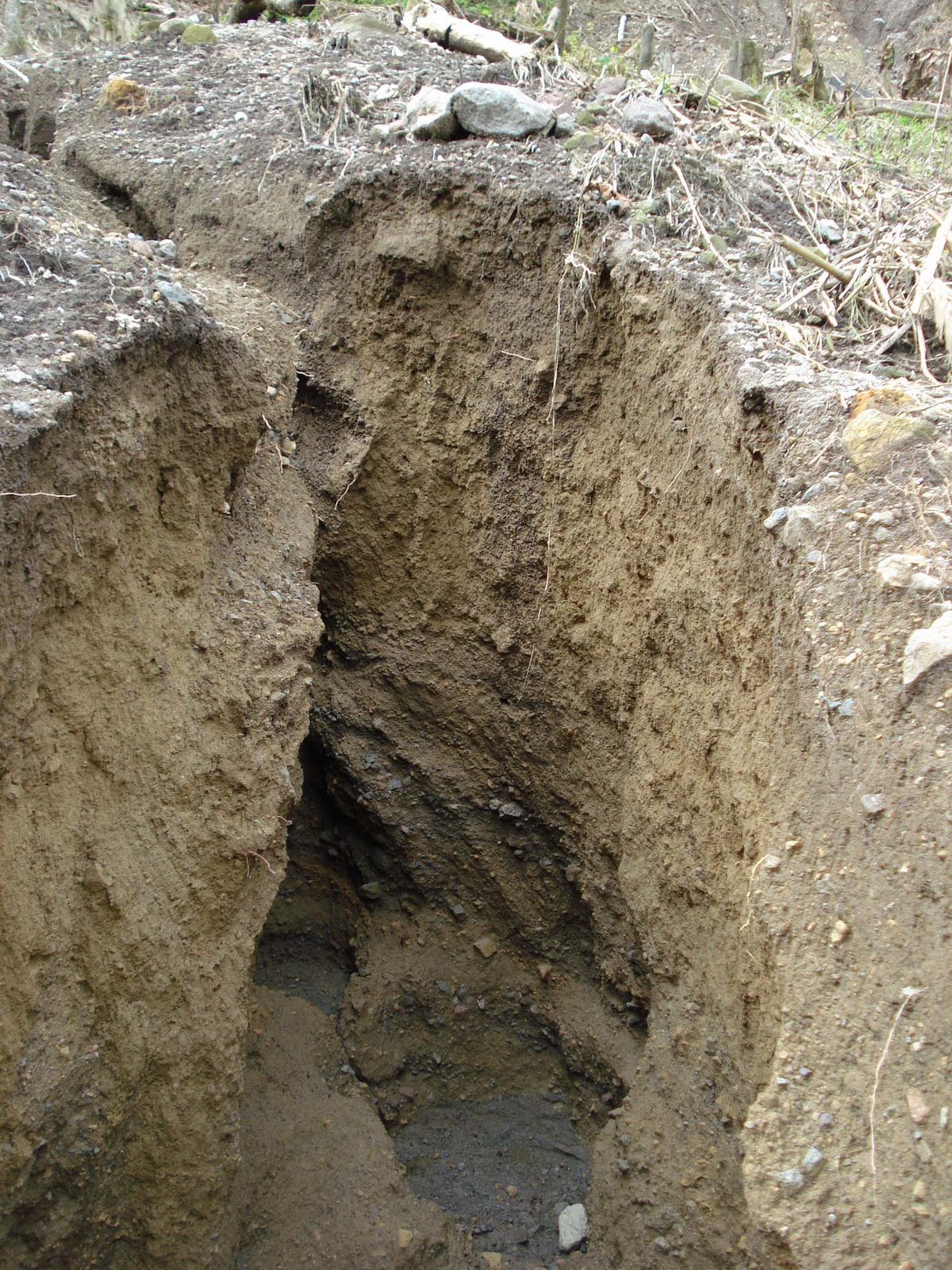
A portion of a ridge, the highest point in the barangay, showed debris flows that damaged crops. Note that the materials are greyish and appeared to have “flowed” as water would along a valley. This characteristic of the landslide indicate water saturation as the primary cause of the landslide. On close examination, the materials were mostly composed of sand with pebble to cobble-size volcanic rocks such as pumice, andesite and scoria. This observation led us to think the area seat on top of an old lahar deposit.

Discover more from The Fabulous Scientist
Subscribe to get the latest posts sent to your email.

 The Fabulous Scientist