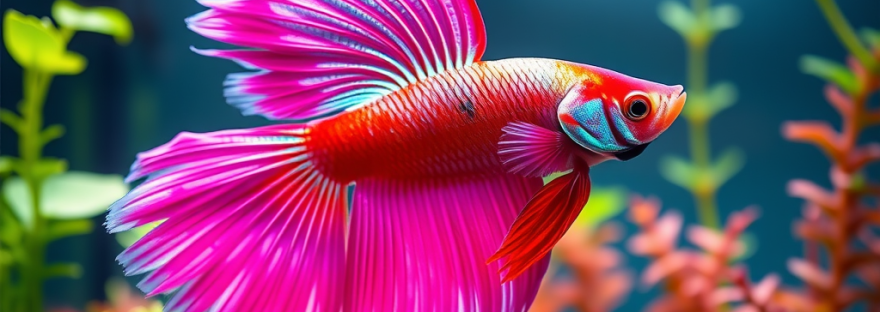
Betta fish, scientifically known as Betta splendens, are one of the most beloved freshwater species in the world, celebrated for their vivid colors, flowing fins, and fascinating personalities. Native to Southeast Asia, these fish thrive in warm, shallow waters such as rice paddies, ponds, and slow-moving streams across Thailand, Cambodia, and Vietnam. They are uniquely equipped to survive in low-oxygen environments, thanks to their labyrinth organ, which allows them to breathe atmospheric air.
Why Betta Fish Make Great Pets for Beginners
Betta fish are often recommended for beginners, and it’s easy to see why. Here are a few reasons based on my research and experience with raising betta:
1. Low Maintenance
Betta fish are hardy and require minimal setup compared to other tropical species. A tank of at least 2.5 gallons with a heater and filter is sufficient to replicate their natural habitat. If you live in the tropics, like I do, a heater may not be necessary—but in cooler areas like Tagaytay or Baguio, it’s important to monitor water temperature using a digital thermometer. Regular water changes and proper tank maintenance are key to their health.
2. Stunning Beauty
Bettas are available in a stunning array of colors and tail types, from shimmering blues and fiery reds to iridescent greens. Their beauty alone makes them the centerpiece of any tank, so keeping just one betta per tank often feels sufficient.
3. Fascinating Behavior
Bettas are intelligent and interactive. They can recognize their owners and even learn simple tricks, like following a finger or jumping for food. After feeding my bettas, I often place a mirror near their tanks or remove barriers between adjacent tanks so they can flare their gills and fins—a natural behavior that also serves as exercise, helping them burn off calories.
4. Affordable Setup
Starting a betta tank is budget-friendly. A basic setup with a tank, decorations, and LED lighting can be managed without breaking the bank. My tanks are around 2.5 gallons each, decorated with live plants like Anubias and Java moss to help maintain water quality naturally.
5. Minimal Space Requirements
Bettas are perfect for small spaces, such as apartments or condo units. A well-maintained small tank with hiding spots and aquatic plants is enough to keep them healthy and happy. While a minimum tank size of 2.5 gallons is common, some enthusiasts recommend 5 gallons for better water quality and more swimming space.
Responsible Betta Keeping
Despite their resilience, bettas deserve proper care. The common misconception that they thrive in tiny bowls without filtration or heating is misleading and harmful. Bettas need room to swim, stable water temperatures (78–82°F), and environmental enrichment.
Adding live plants like Java moss or Anubias not only mimics their natural habitat but also improves water quality. Feeding them a balanced diet of high-quality pellets and occasional treats like bloodworms, as well as ensuring a peaceful environment, will keep them healthy and stress-free. For instance, bettas like to sleep on leaves of anubias like a hammock. It’s how they rest, I noticed! Another thing I did is I added a piece of “talisay” tree leaf, also known as tropical almond tree. Luckily, we have one growing in our community. The leaf will supply tannins in the water to lower down the pH slightly to keep the bacteria at bay. Tannins in water also sort of mimic the color of water where betta naturally thrive and keeps the light a bit dimmed out.
A Gateway to Fishkeeping
For those new to aquariums, bettas provide a fantastic introduction. Their striking appearance and lively personalities offer endless enjoyment, while their care requirements teach the fundamentals of fishkeeping. With proper care, bettas can live three to five years, or even longer.
Many betta owners find themselves so enamored with the hobby that they expand into other areas, such as aquascaping or keeping additional fish species. Some even combine fishkeeping with gardening in the form of aquaponics.
Here are some videos to watch about betta raising, the first one is my favorite:
Growing Basil in Betta Fish Tanks: A Simple Aquaponics Project with Ian for His Homeschooling Task
Aquaponics is a sustainable gardening method where fish and plants coexist in a symbiotic system. Using betta fish tanks, you can create a miniature ecosystem where fish waste fertilizes plants, and plants help clean the water for the fish.
In my current setup, I have three betta tanks, two of which house thriving basil seedlings. These plants are growing steadily and even sprouting new leaves. To ensure their success, I use grow LED lights, which mimic sunlight, for 10–12 hours a day.
The process is straightforward yet rewarding. Betta fish produce waste containing ammonia, which beneficial bacteria convert into nitrates—an excellent fertilizer for plants like basil. The plants absorb these nutrients, keeping the water clean for the fish.
This setup not only provides fresh herbs but also promotes a sustainable and low-maintenance hobby. With regular monitoring of water quality, proper feeding, and consistent lighting, this aquaponics project is a great way to combine gardening and fishkeeping.
Final Thoughts
Whether you’re a beginner looking to keep your first fish or an experienced hobbyist exploring aquaponics, betta fish are a wonderful choice. Their beauty, intelligence, and ease of care make them the perfect pets to spark a lifelong interest in aquatics—and perhaps even inspire other creative ventures, like sustainable gardening. Our betta fish have been a source of joy for me and my kids but not only that, raising them serve as a teaching lesson for my kids about responsibility of taking care of another life.
Thank you for reading. – Grass
Discover more from The Fabulous Scientist
Subscribe to get the latest posts sent to your email.

 The Fabulous Scientist
Hi, nice blog! Good job for adding a filter, heater, and live plants to your betta fish tank!
My concern is that betta fish need a minimum of a 5 gallon tank.
Thank you so much and have a wonderful day!
LikeLiked by 1 person
Hello, thank you for the suggestion. Heater is not necessary for the fish where I am. I have moved them to much bigger tanks now.
LikeLike