
If you’re new here, you must have been wondering why I talked so much about art rather than science in my most recent posts. The reason for that is because this blog has been my refuge from all my job and research as a scientist. A quick search on my website, however, will land you on science-focused articles if you do so wish to see them.
Today, I’m going to make an exception. I’m going to talk about how unglamorous life of a geologist can be – by social standards. Gone are the days when women are not allowed to venture out on their own to find their calling or pursue their passion (yes, I recently watched Bridgerton). We now see women out there, doing work that were once delegated to men only, such as drilling rigs, mining tunnels, military, and whatnot. So here’s a side of me outside the comforting confines of my home and studio.
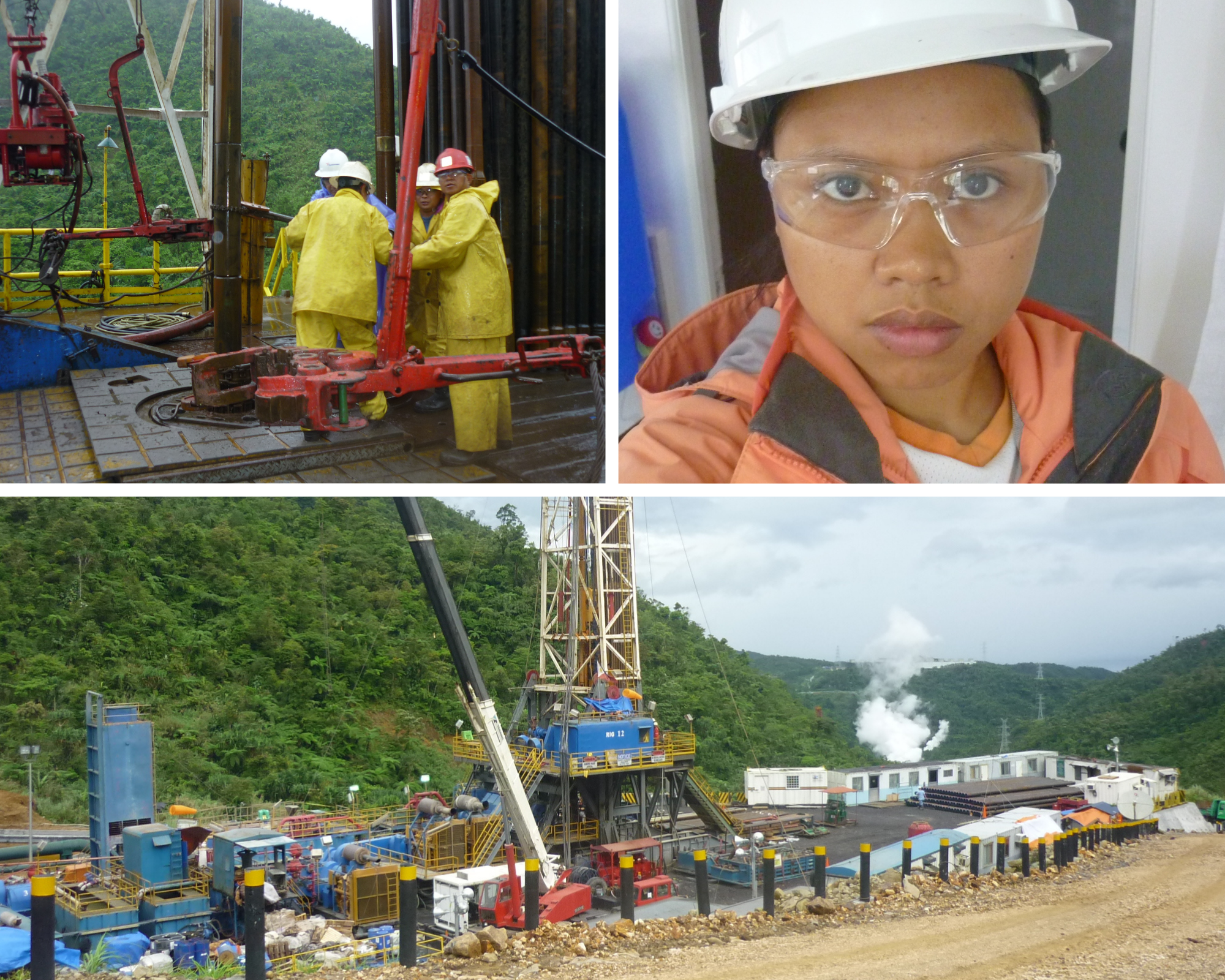
As someone with years of industry practice and research in the geothermal energy sector, I can confidently say that my most memorable experience was working as a rig geologist for a month. On a drilling rig, geologists are relied upon for expert advice, and it was incredibly gratifying to be listened to and respected in this role. Being a woman in a predominantly male field, I was thrilled to be part of the decision-making process. I also appreciated seeing everyone contribute to successfully completing the drilling activities. The best part was witnessing the wells produce robust steam, which not only meant revenue for the company but also a stable electricity supply for the power grid. If there is one experience I would love to repeat as a scientist, it would be working on a rig, whether offshore or onshore.
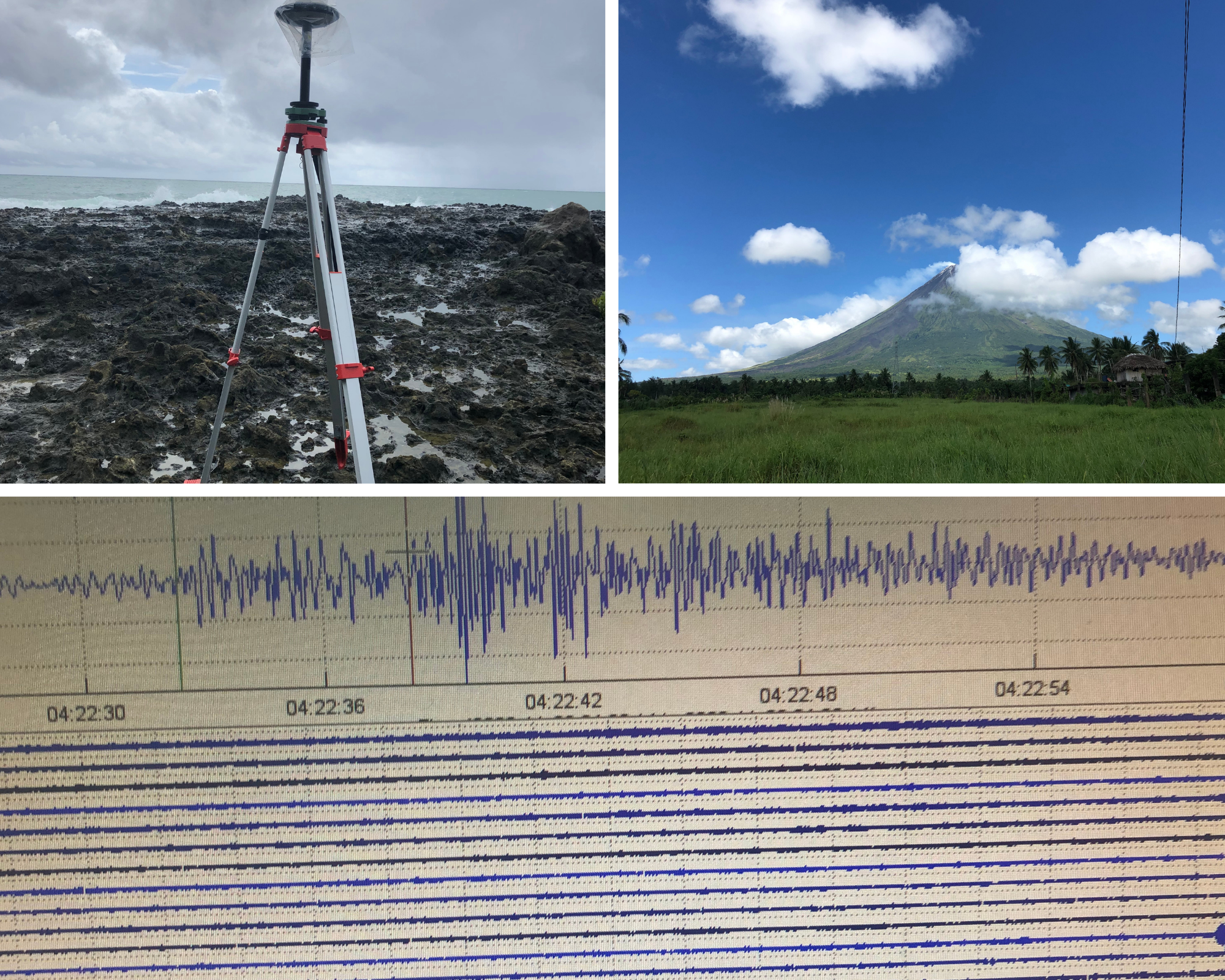
Fieldwork is essential for earth scientists to gather data about our planet. This involves plotting locations, marking rock formations, and, in my case, identifying surface manifestations of steaming grounds and hot springs, which indicate an active geothermal system beneath the surface.
My love for trekking began in childhood. Growing up in the city had its perks, but my favorite memories were family trips outside the city, where I could visit relatives and swim in clean rivers and beaches. Reflecting on these experiences, I realize that my passion for travel and trekking likely influenced my decision to switch from a Bachelor of Science (BS) in Physics to a BS in Geology in college.



Although I often claim to be an introvert, I’ve had several heartfelt moments with local people during my fieldwork. I remember one particular time during a geologic hazard mapping activity in Lanao del Norte, on Mindanao Island, when I became quite popular with the local children. They even invited me to go to the beach with them. In the mountains, my colleagues and I sometimes slept in humble farmers’ huts, as these were the only accommodations available in those remote areas. We even picked vegetables from mountain gardens for our meals, always with the owners’ permission. As a geologist working in the mountains, organic living came naturally.
Fieldwork as a female geologist, particularly in Mindanao, presents unique challenges, especially in unfamiliar terrains. I’ve found myself in dangerous situations, such as having a gun pointed at me, slipping and falling along steep slopes, and being escorted out of territories by armed locals. These experiences underscore the inherent risks of the job but also highlight the resilience and adaptability required in this field. Despite the risks involved during my stint in the island, I’d say that my field works in Mindanao were among the best simply because the locals were generally friendly and accommodating. I tried to learn the local language and was able to do so in one month so I think that was one of the reasons why I earned the respect of the locals. To be honest, I want to visit the island to re-trace the steps I’ve taken, rekindle friendships, and meet up with people who mattered to me during my work there.
So there you have it, my dear readerships. This is just one of those posts where I re-introduce myself especially for the new readers of this blog. I have more stories to tell about different islands I’ve visited but I want to reserve them for future posts. Thank you for reading this far.
Cheers,

Discover more from The Fabulous Scientist
Subscribe to get the latest posts sent to your email.

 The Fabulous Scientist