

As a self-proclaimed tree-hugger and nature enthusiast, my earliest memories of experiencing the breathtaking beauty of our country were shaped during a journey to my parents’ hometown, Catanduanes, when I was just nine years old. In those days, reaching their quaint barrio required either a horseback ride or a long walk. I vividly recall the sense of distance as we trekked through the countryside, the hours stretching on until nightfall.
One of the most magical sights awaited us after dusk: the trees aglow with the flickering light of fireflies, casting an enchanting aura reminiscent of Christmas decorations. Amidst this natural light source, we found ourselves walking on the paved road without the need for flashlights or streetlamps. The forest, adjacent to the path, was a realm of giants, with towering trees so vast that it would take the embrace of at least three adults to encircle their girth.
These memories etched in my mind serve as a poignant reminder of the awe-inspiring majesty of nature and fuel my commitment to preserving and cherishing it for generations to come.
The moment my dad stepped onto Mongpong Island for the first time, he couldn’t resist calling me to share the sheer beauty of the place and express his wish for me to experience it alongside him. Knowing my profound love for the beach, he was convinced that I would fall in love with it instantly. Over the course of seven years, both my parents and siblings made regular visits to the island, not only to attend services at the satellite church but also to engage in evangelical missions, fostering a deep connection with the island and its community.
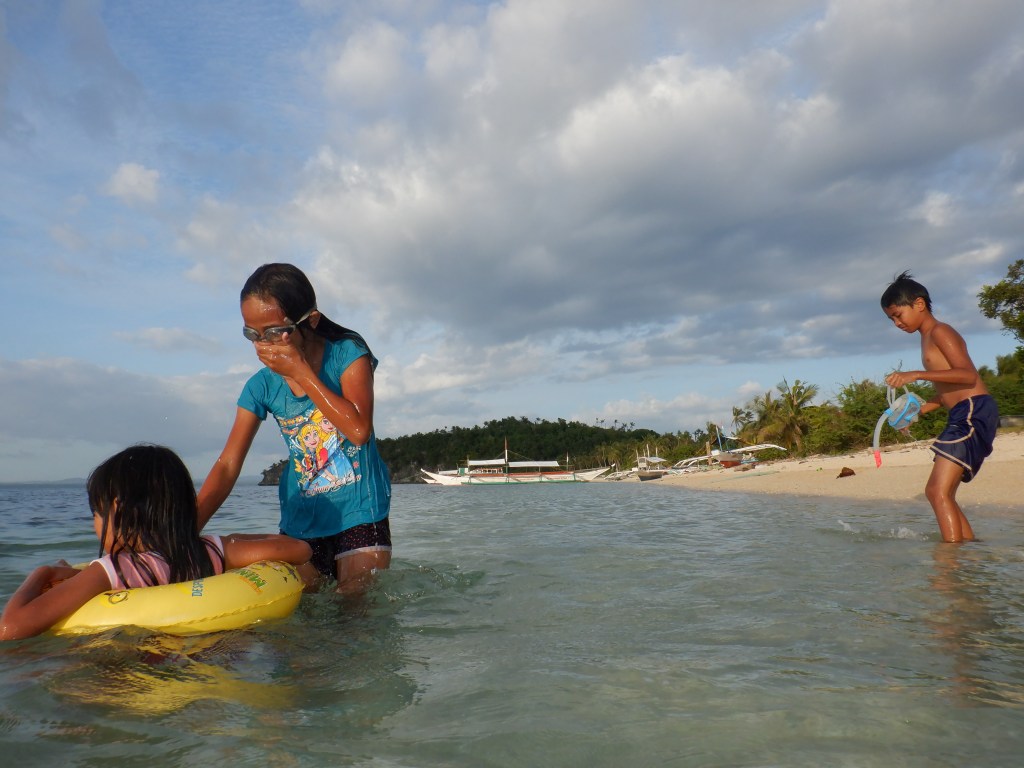
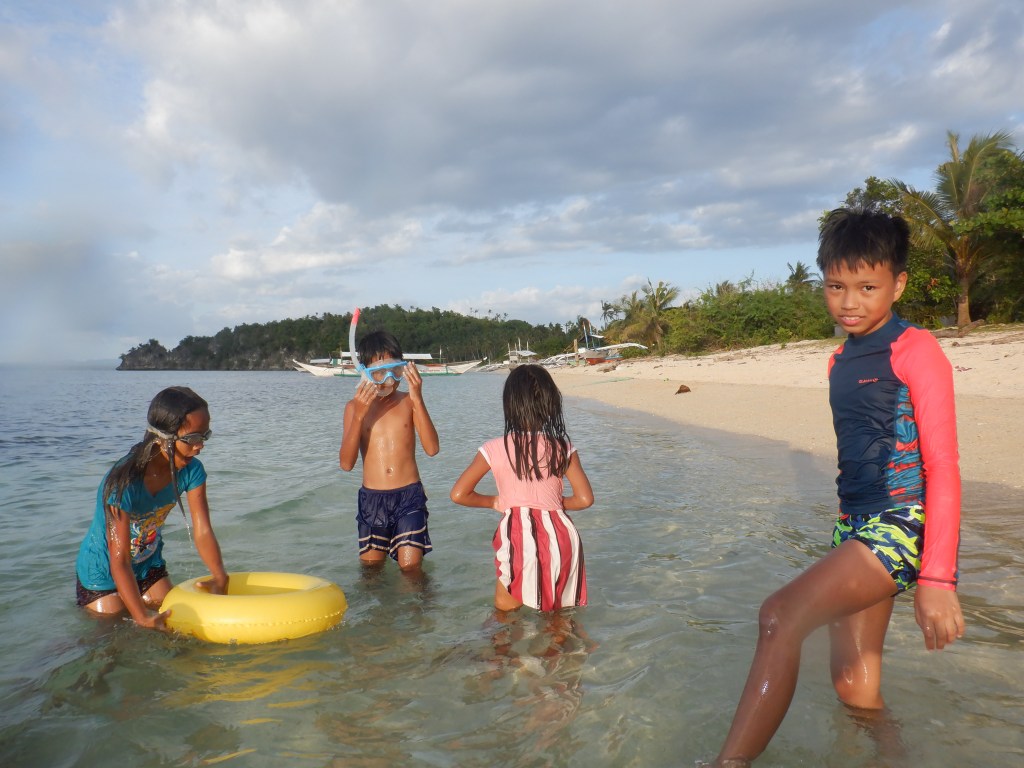
Nestled northwest of the main Marinduque island province, Mongpong Island beckoned with promises of natural wonders and pristine beauty. When my sister mentioned another excursion to the island, I eagerly decided to join, bringing along my husband and children. I envisioned it as a perfect opportunity for my kids to immerse themselves in the island’s rich ecosystem, which my parents had raved about.
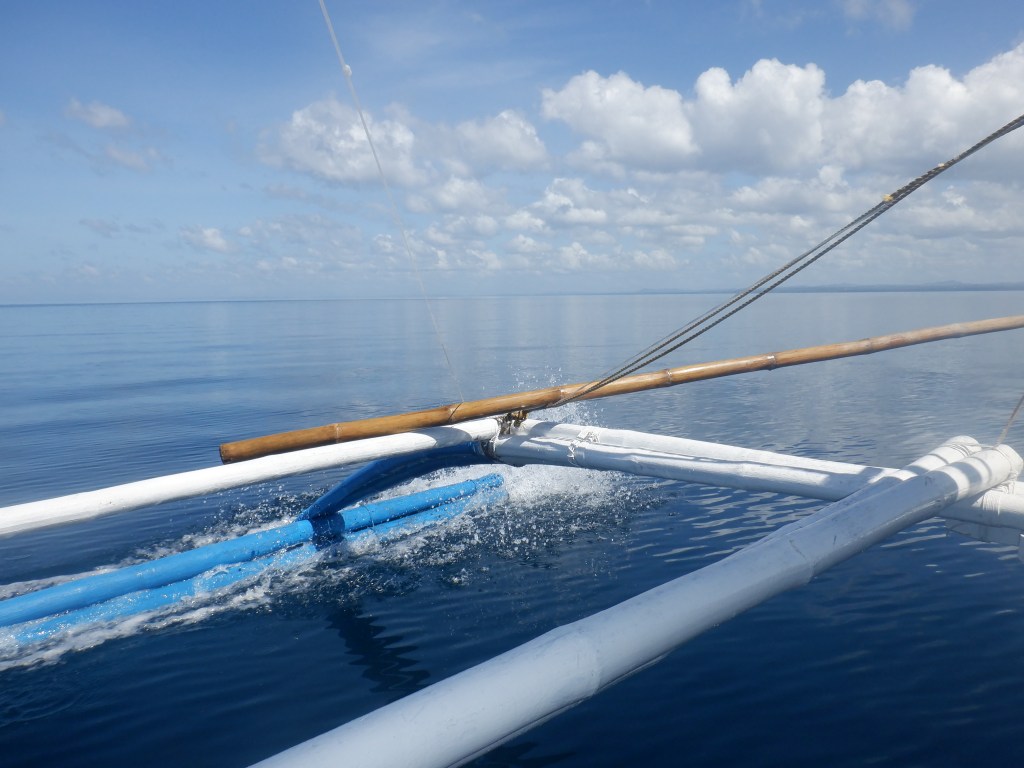
Setting the plan in motion, my mother arranged for a van to transport us to Catanauan, Quezon. From there, we secured a tourist boat to ferry us directly to Mongpong Island. The journey across the shimmering waters took approximately an hour, the anticipation building with every passing wave.
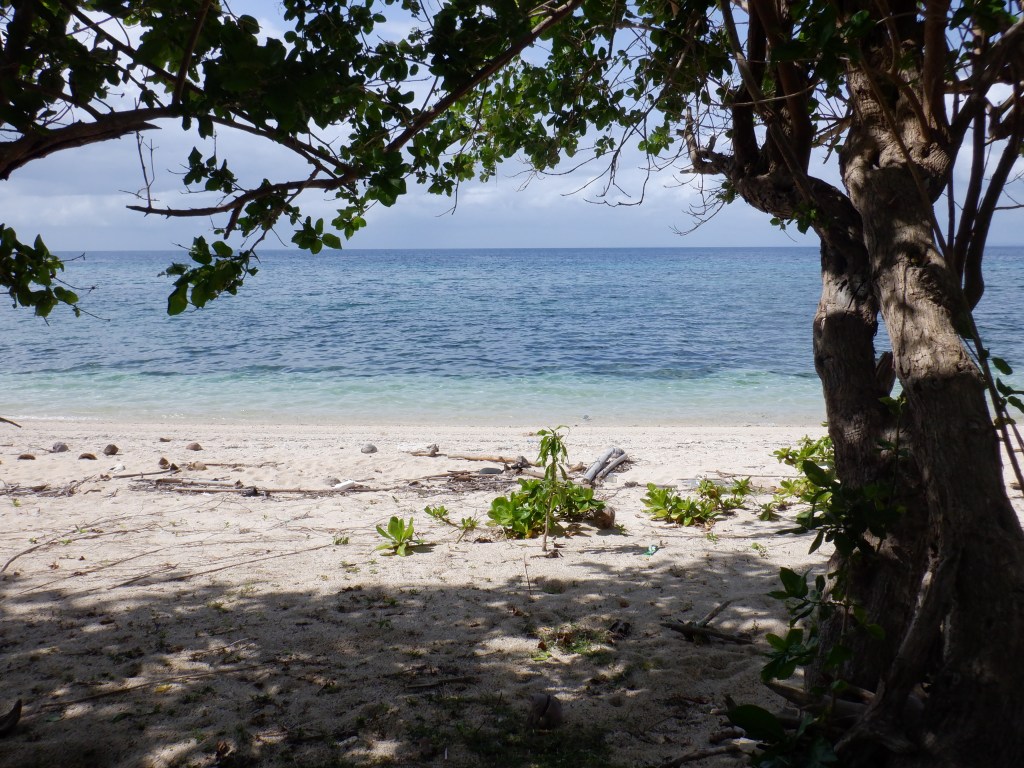
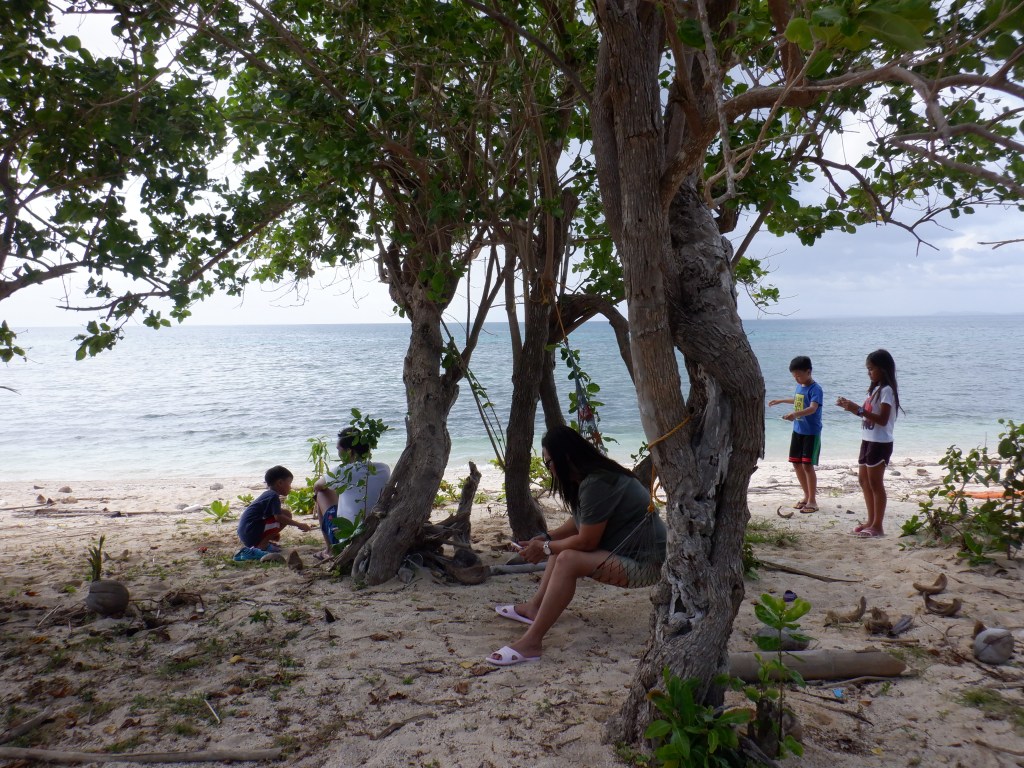
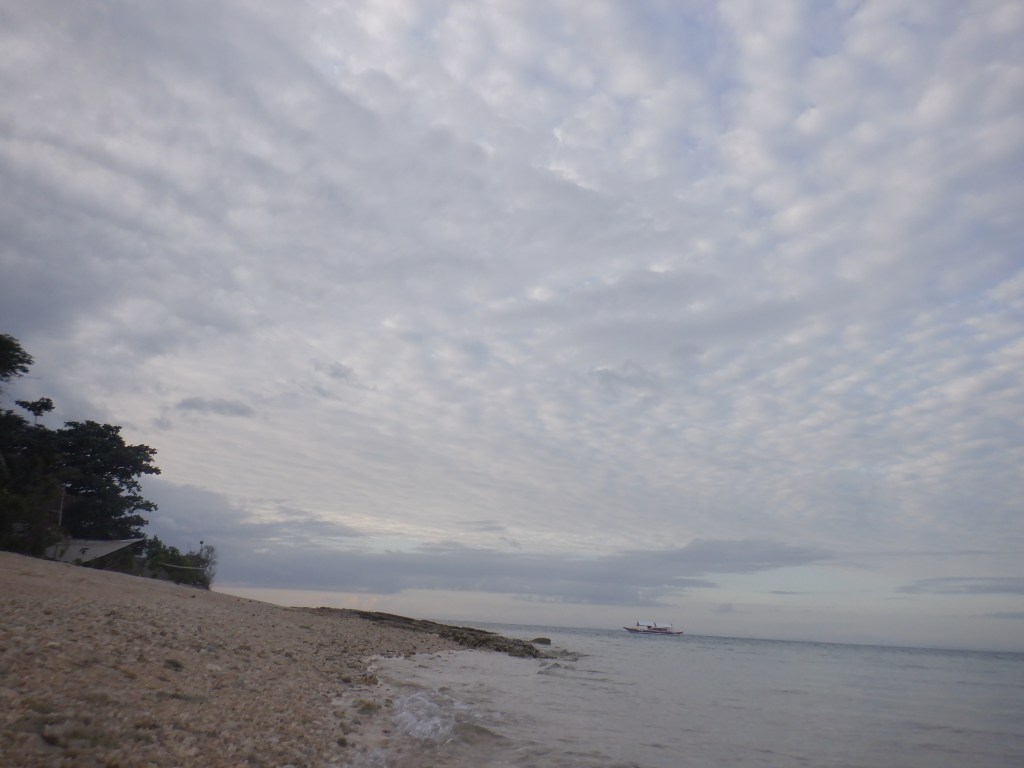
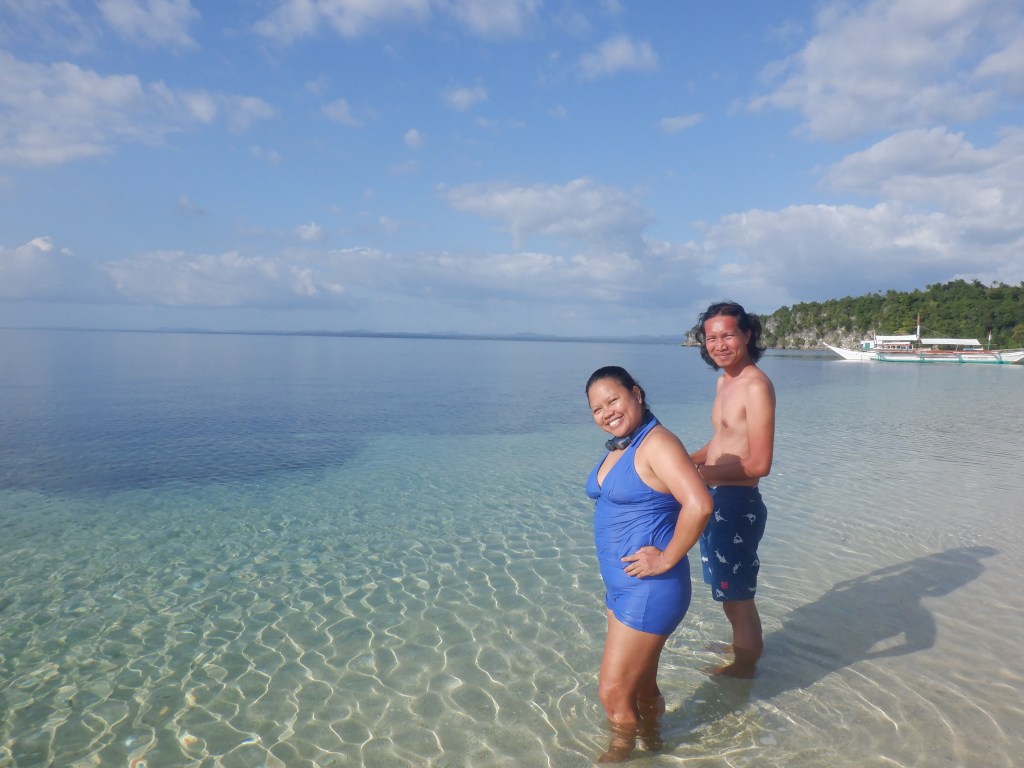
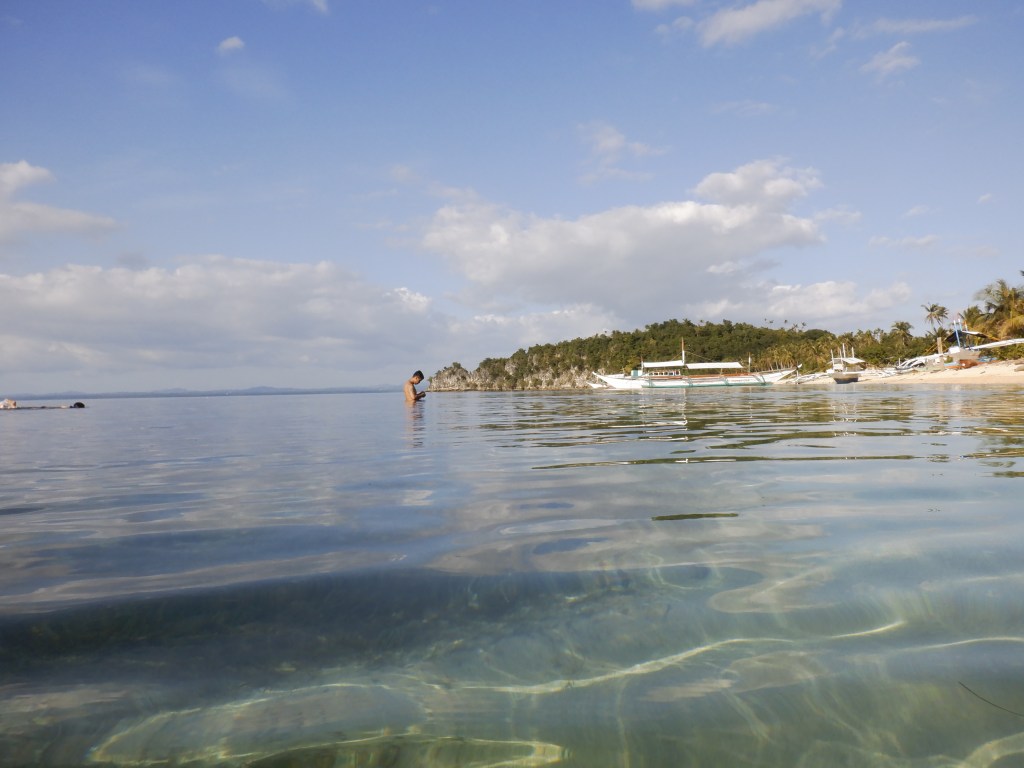
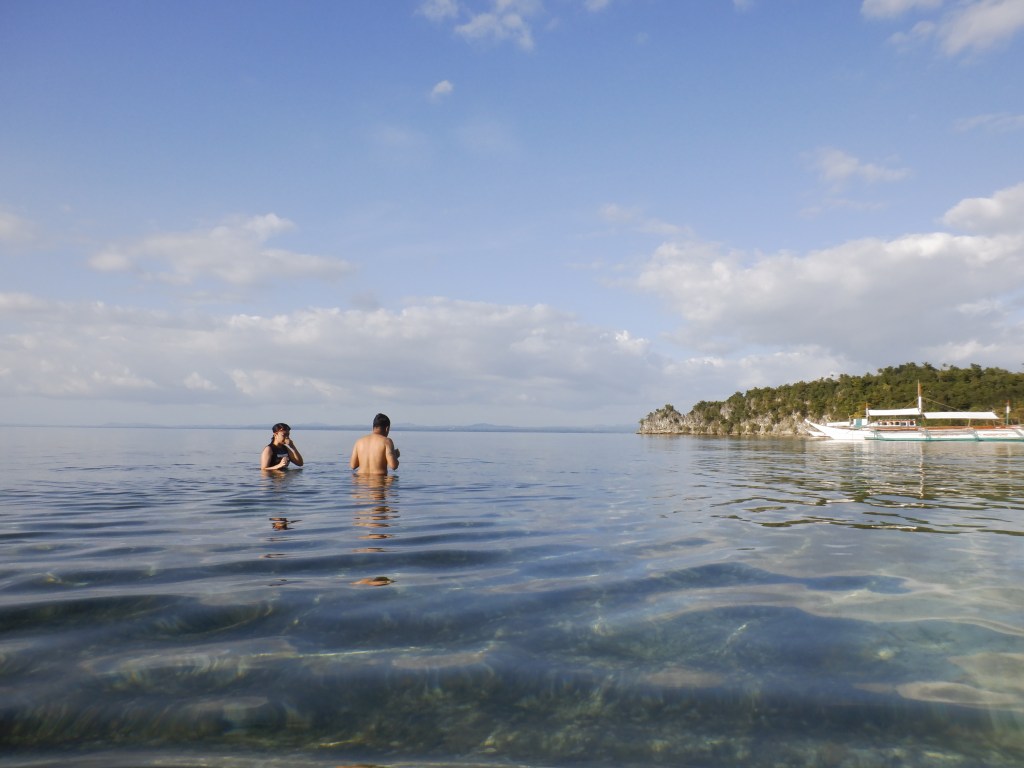
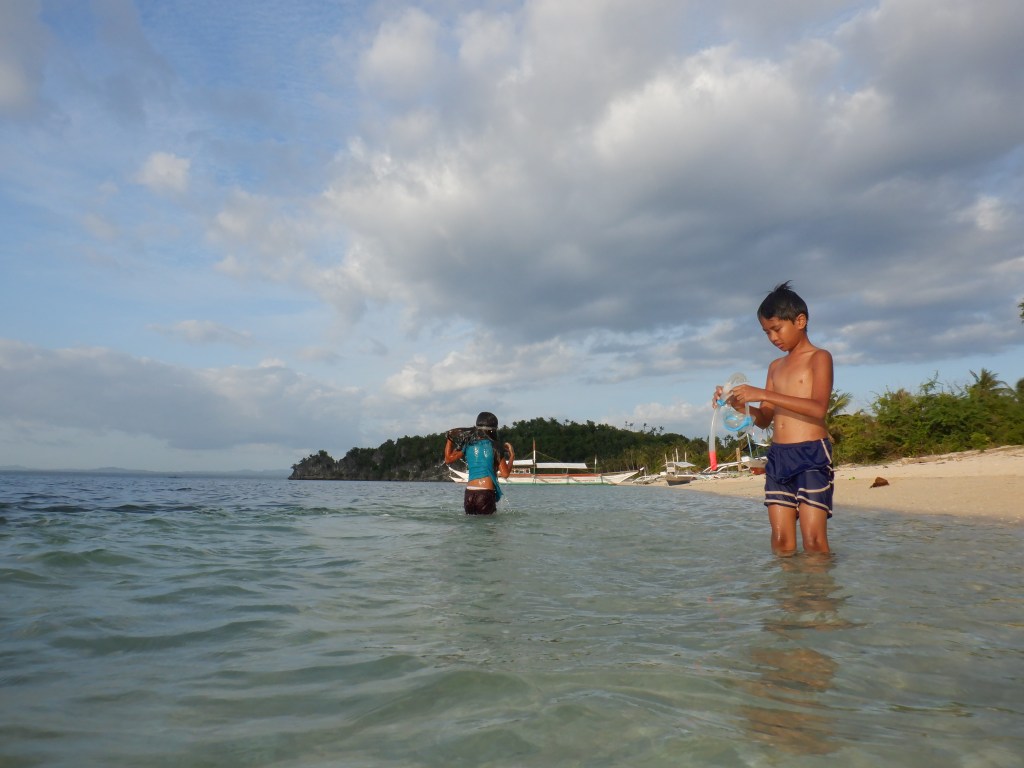
On the morning of February 27th, at 9 AM, we made landfall on the island’s northern coast, greeted by the gentle lull of the sea and the embrace of a pristine white sand beach. Our accommodations for the stay were nestled in a charming duplex nipa hut, graciously provided by one of the church members. For those planning a visit, the island offers an array of small resorts and traditional huts available for rent, ensuring a comfortable and authentic island experience.
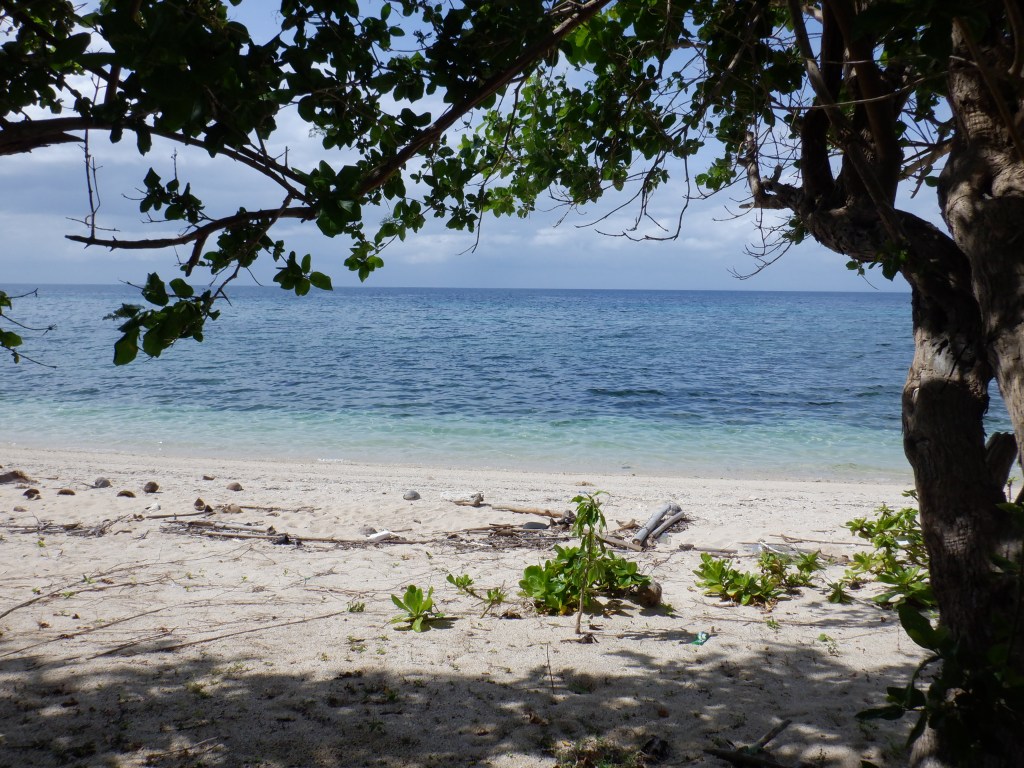
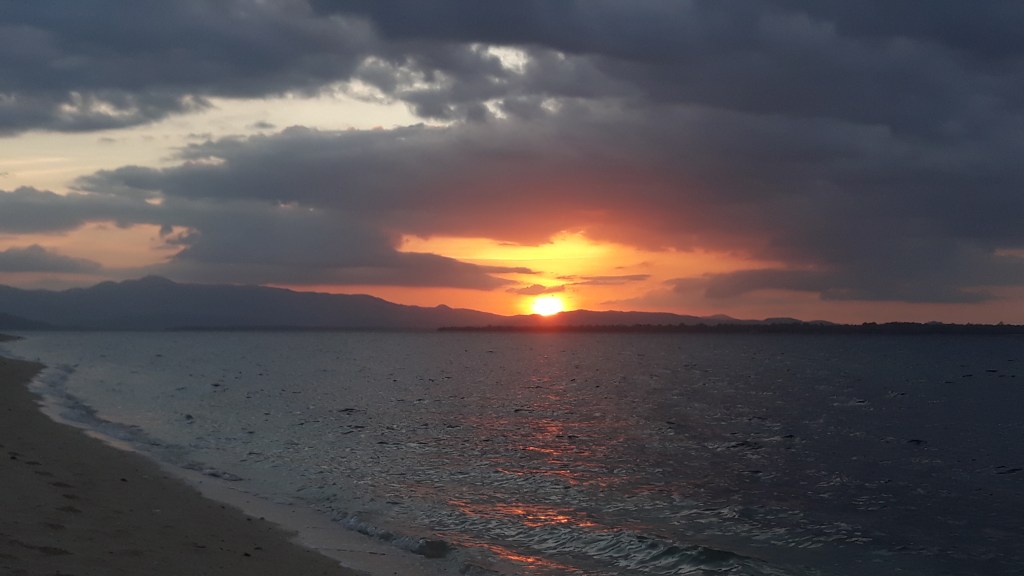
As customary during our out-of-town excursions, we captured snapshots of the diverse rock formations adorning the landscape of Mongpong Island. However, opting for quality over familiarity, I chose to showcase my brother’s photography skills, as his phone boasted superior imaging capabilities compared to my aging Samsung device.
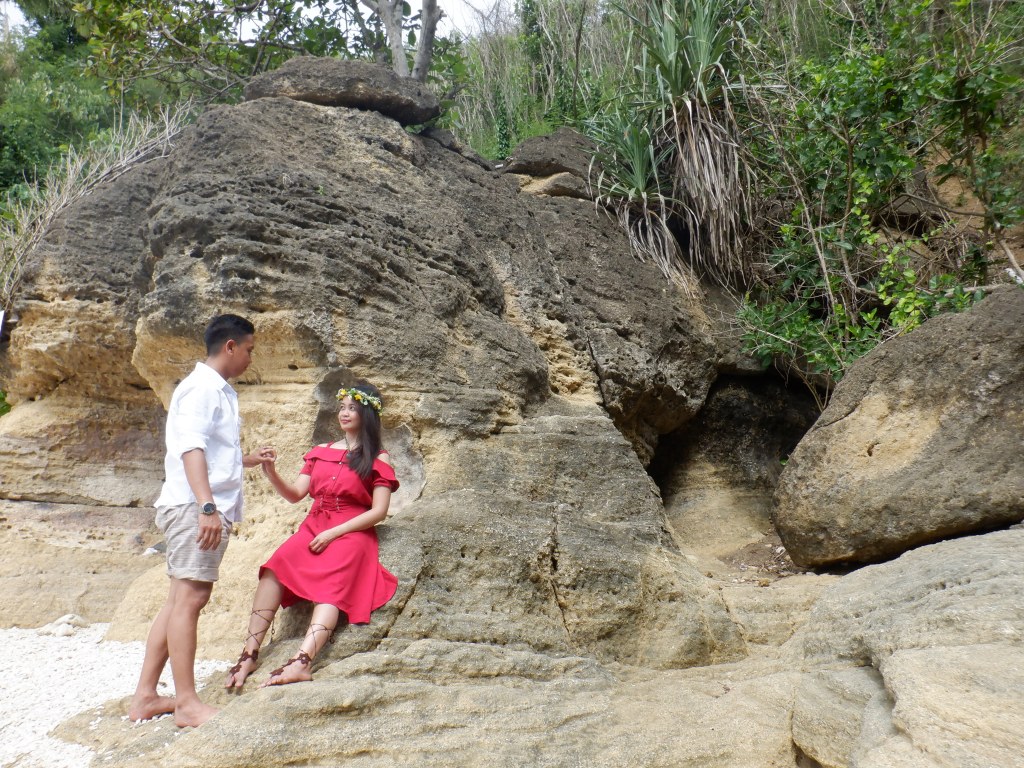
For families seeking an educational adventure in geology, this locale offers a prime opportunity to impart lessons on erosion and rock formation. The Ungab Rock Formation, situated along the eastern shore of the island, showcases striking sandstone formations that serve as tangible examples of the forces shaping our natural world.
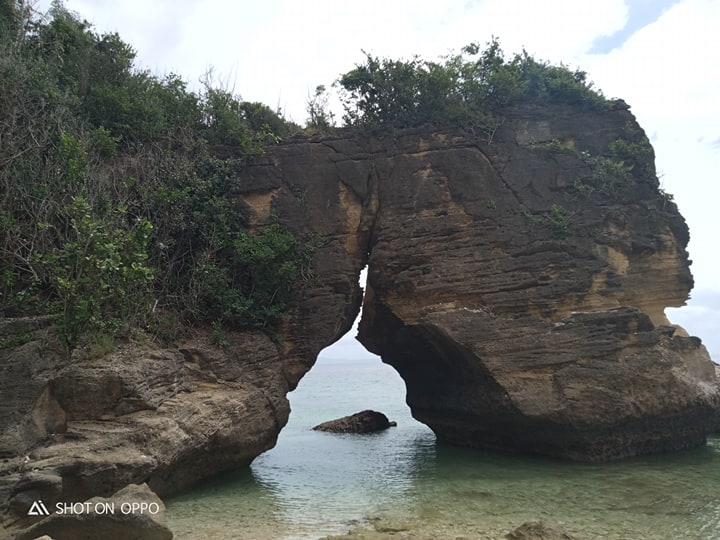
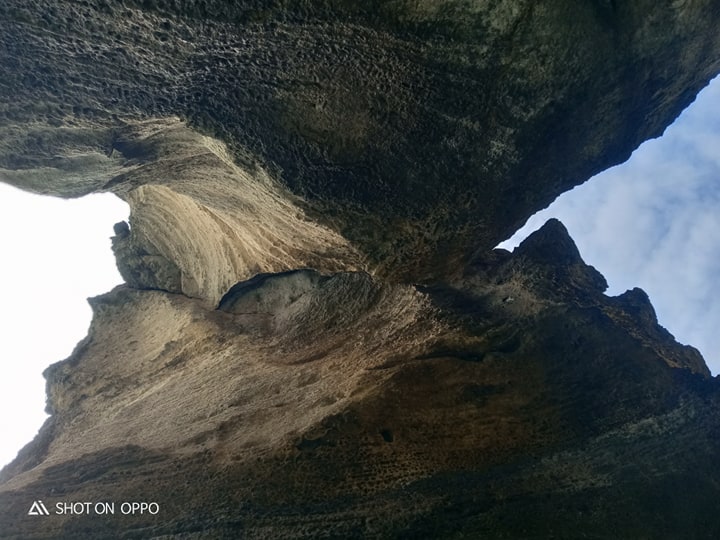
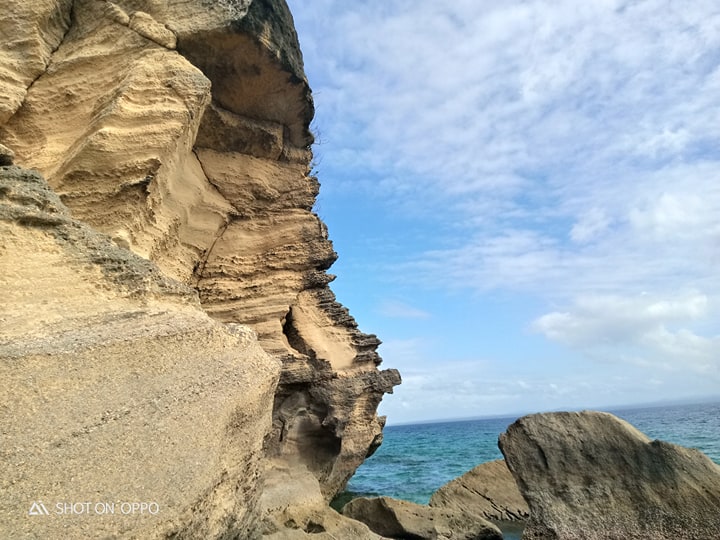
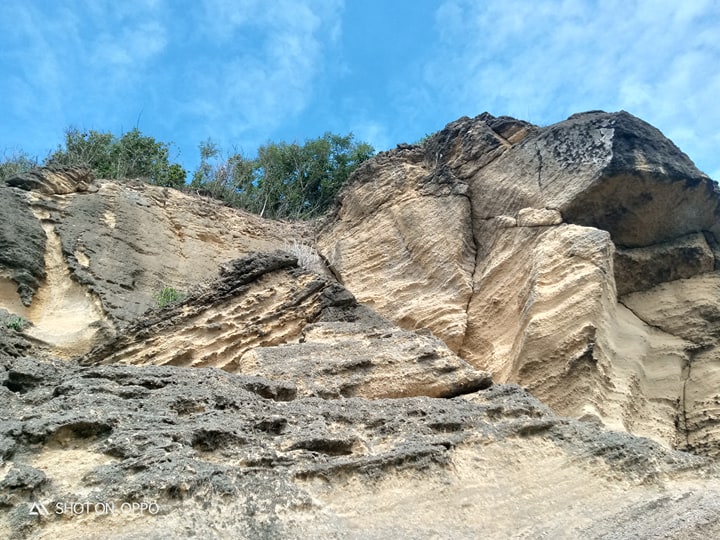
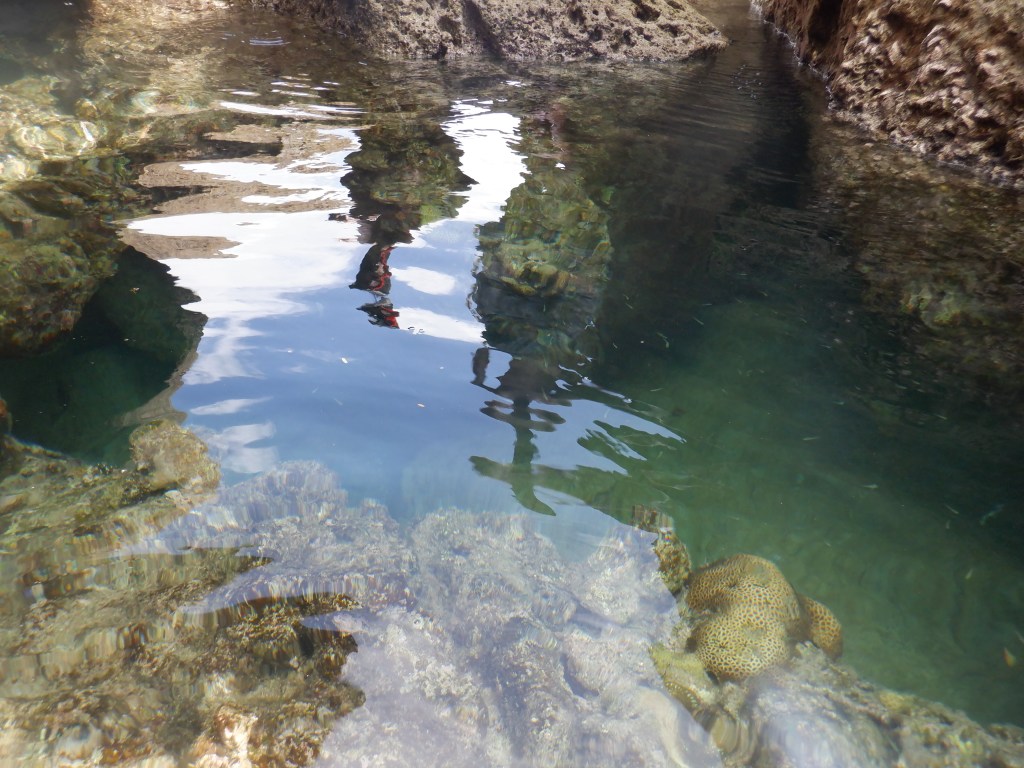
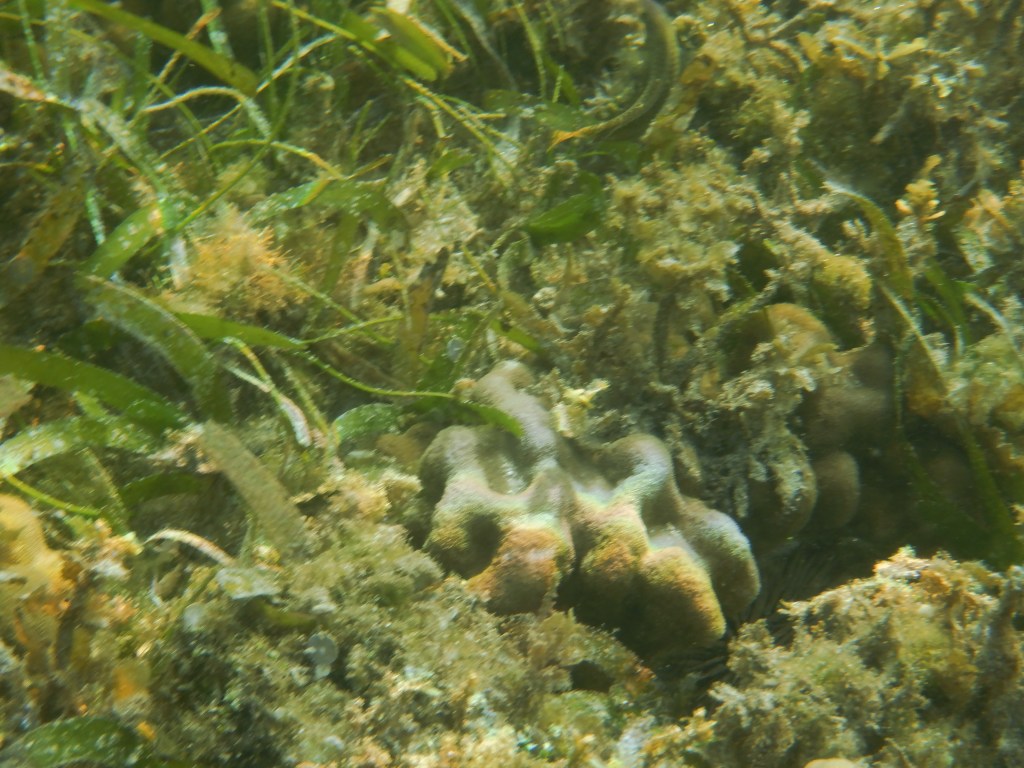
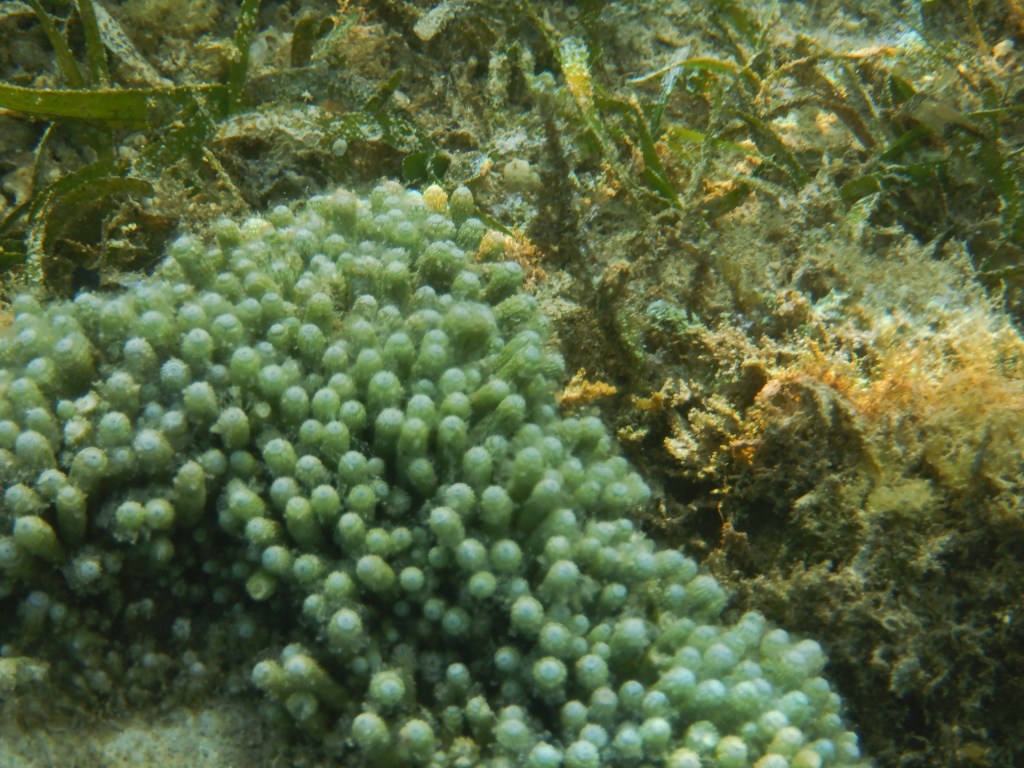
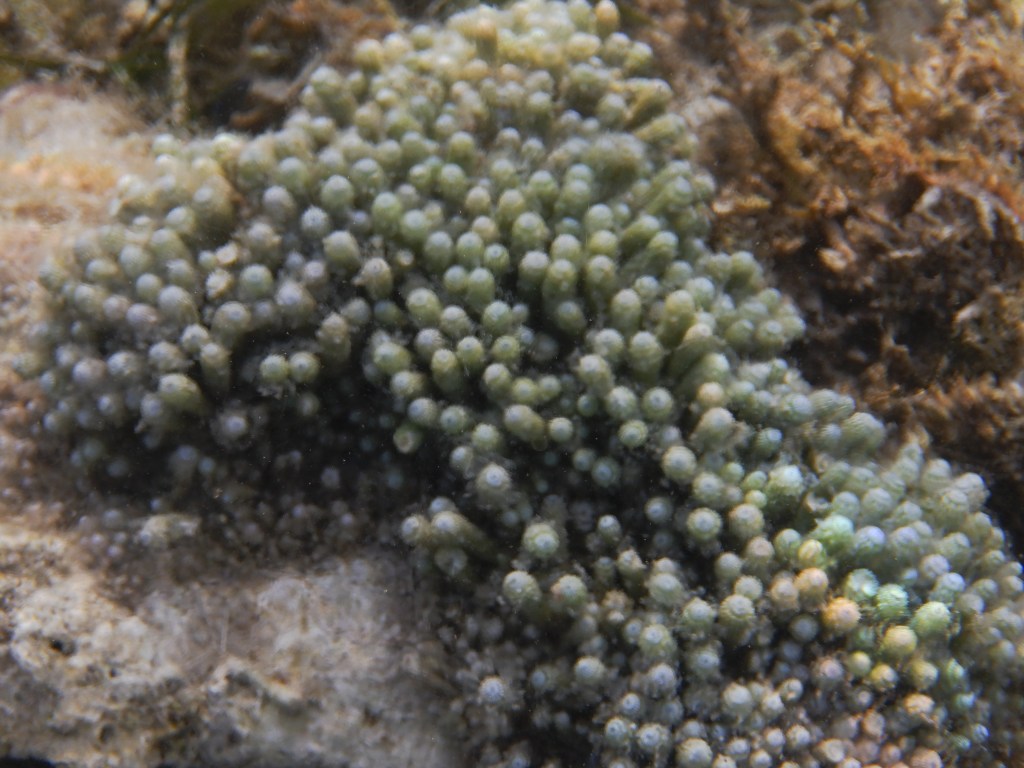
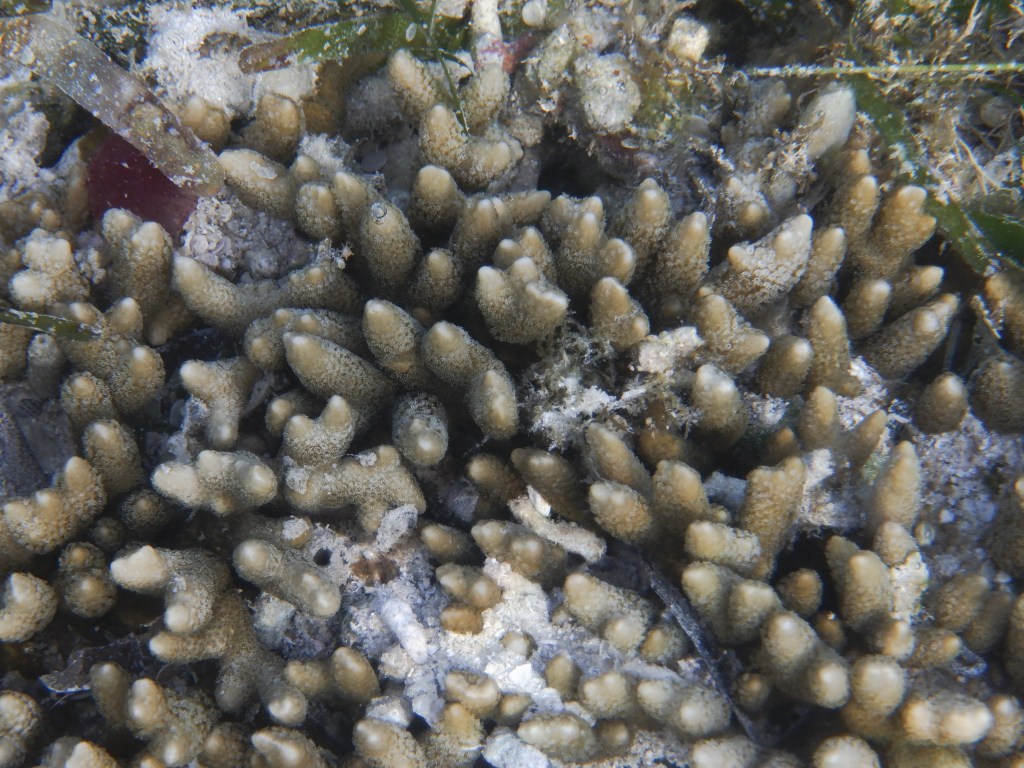
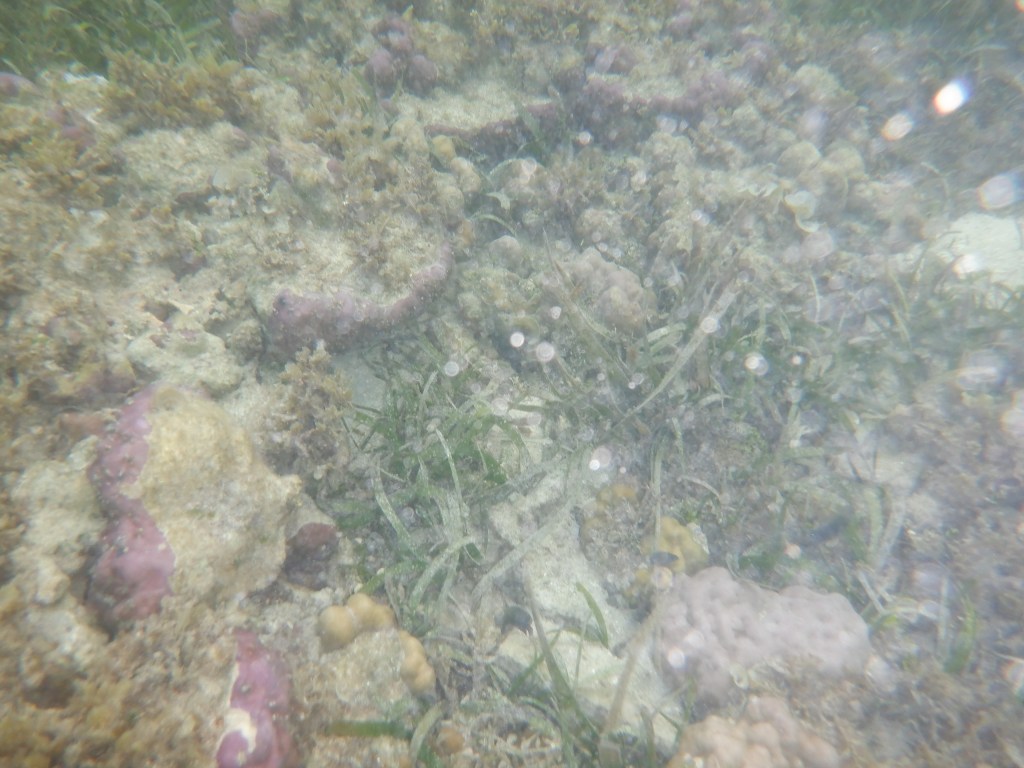
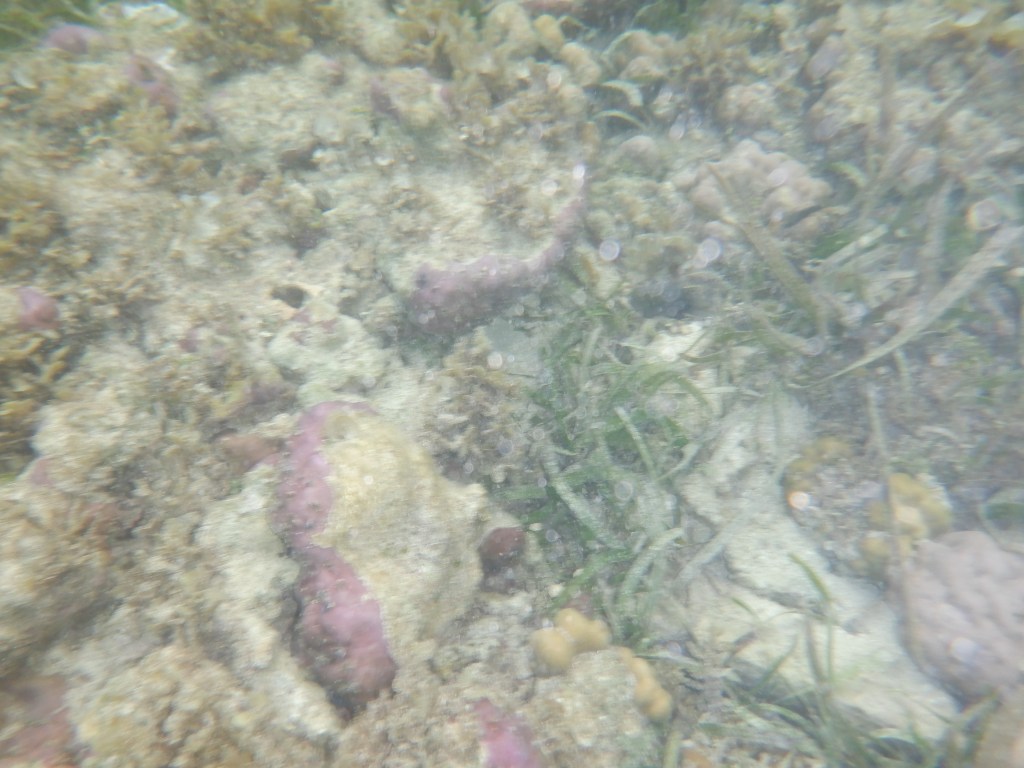
The allure of the Ungab Rock Formation captivates me on multiple levels. Firstly, the well-preserved layers of sandstone offer a fascinating glimpse into the geological history of the area. Moreover, the natural formation of the “kissing stones” creates a sheltered cove where the sea maintains a tranquil demeanor, providing a safe and inviting environment for children to swim. Beneath the surface, a vibrant underwater world awaits, with living corals and colorful fish darting among the rocks, adding an extra layer of enchantment to the experience.
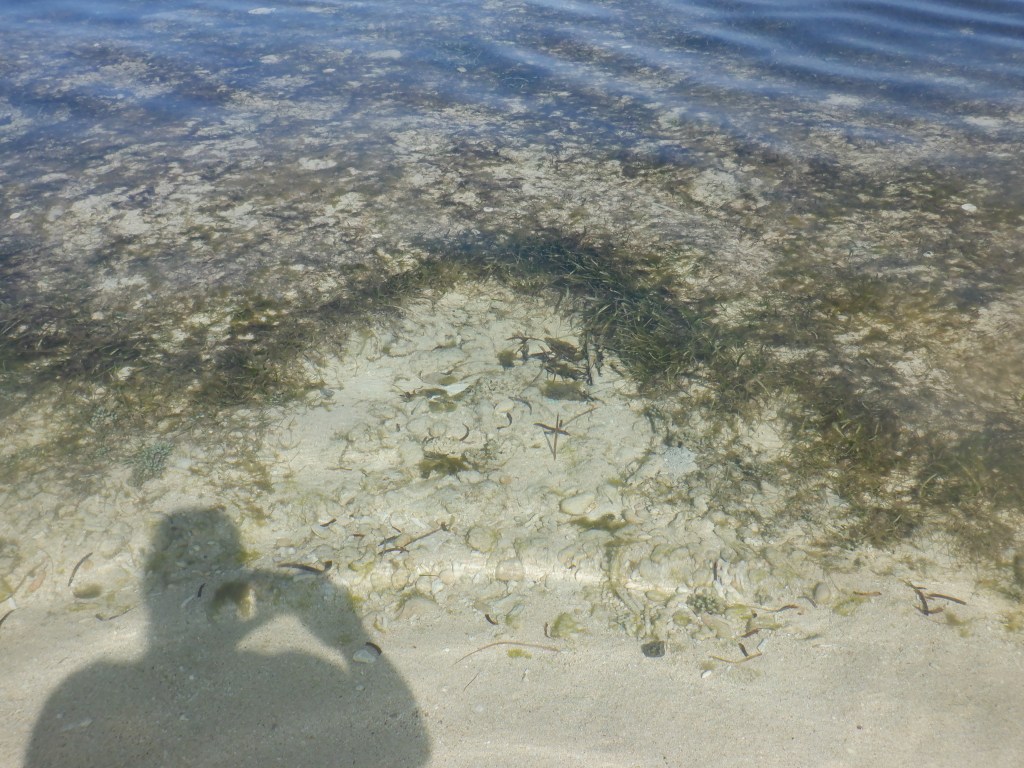
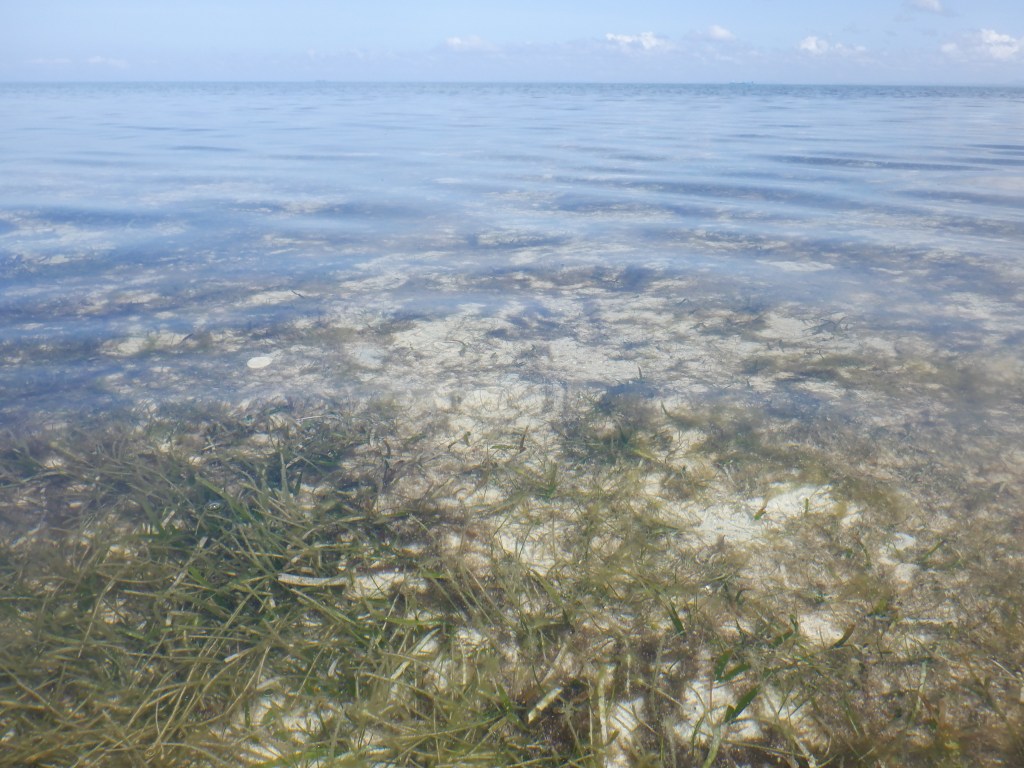
As I stroll along the shoreline, I’m struck by the varied texture underfoot—a blend of soft sand, smooth pebbles, and weathered coral fragments. This diverse composition adds to the charm of the beach, inviting exploration and discovery with each step.
For those seeking an extended stay, a nearby resort offers comfortable accommodations, ensuring a seamless transition from exploration to relaxation. As captured in the photo below, framed by the natural beauty of the landscape, the resort stands as a welcoming retreat, promising a tranquil haven amidst the splendor of Mongpong Island.
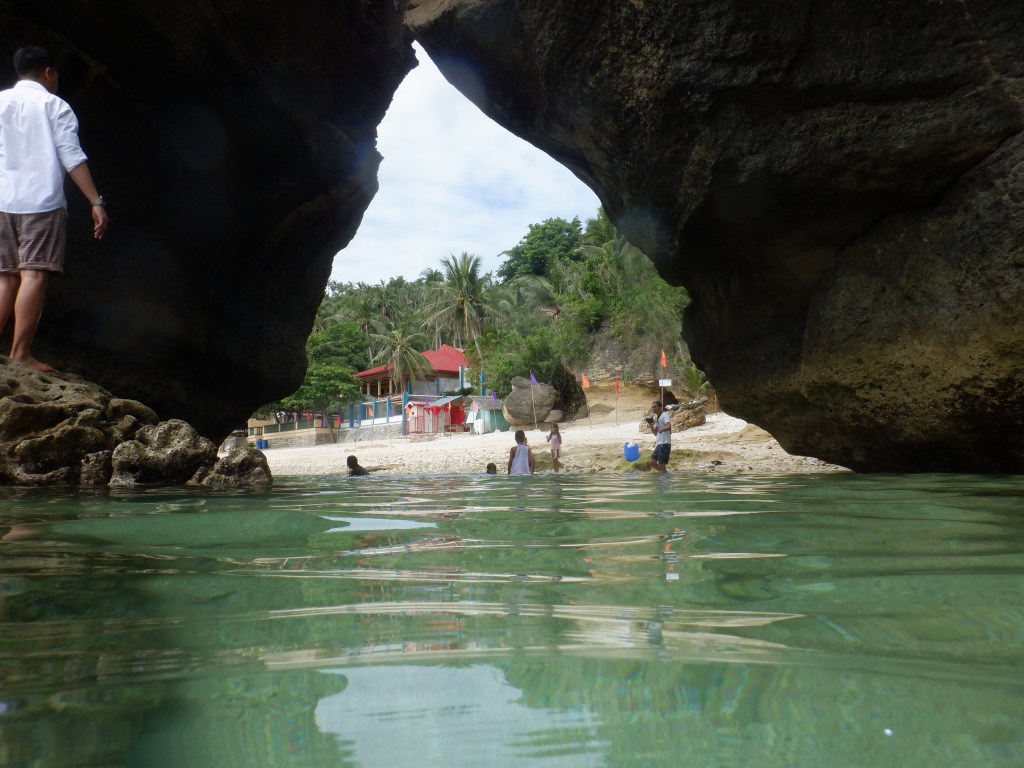
Beyond its picturesque white sandy and pebbly beaches, mesmerizing rock formations, and warm hospitality of its locals, Mongpong Island stands out as an exceptional destination for ecosystem study. The island boasts a rich biodiversity, teeming with native birds, marine life, and terrestrial animals, providing ample opportunities for exploration and discovery.
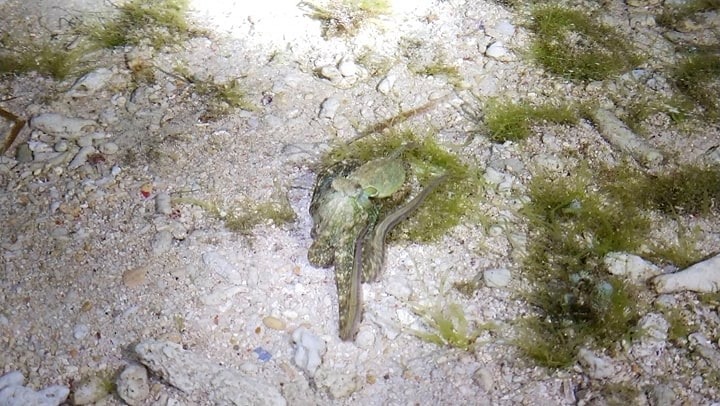
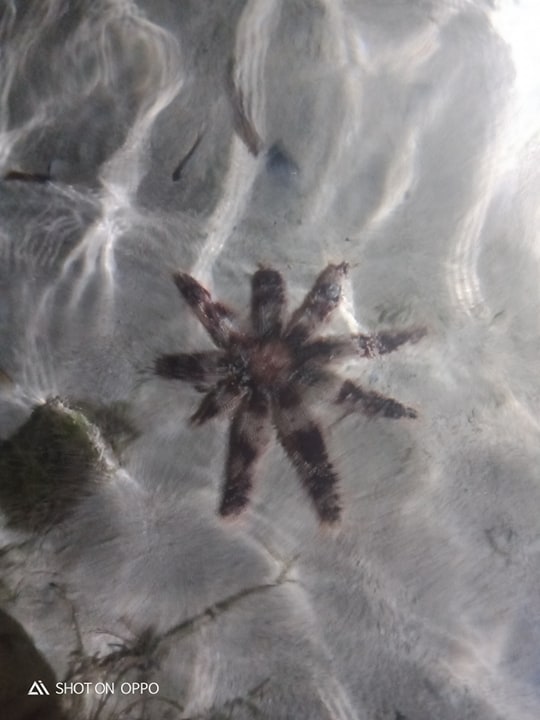
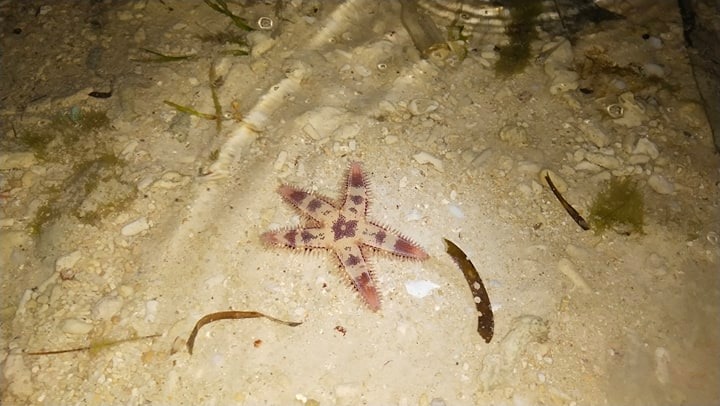
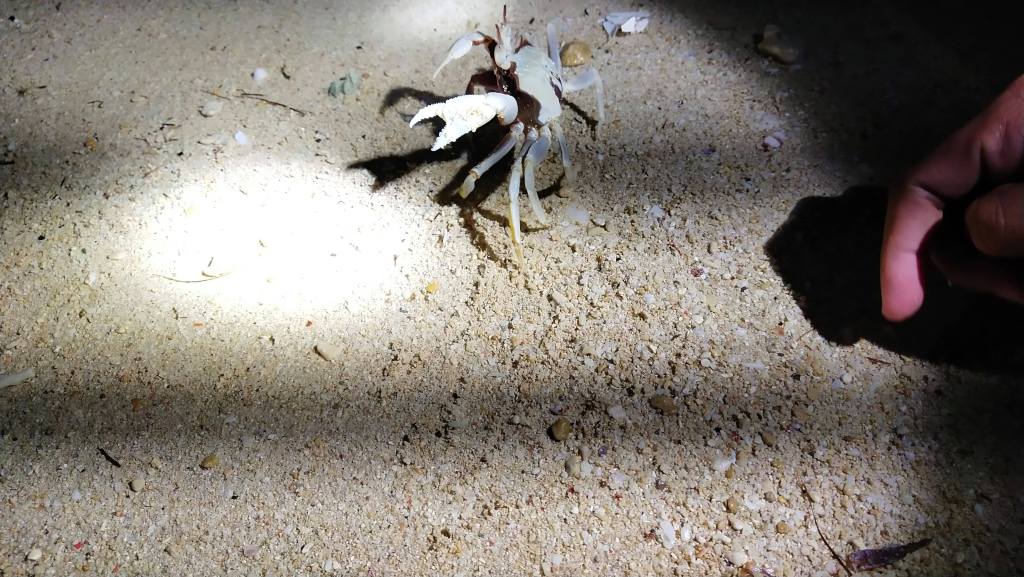
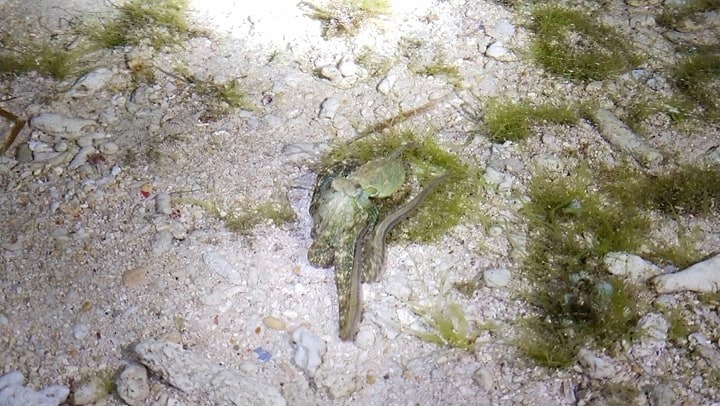
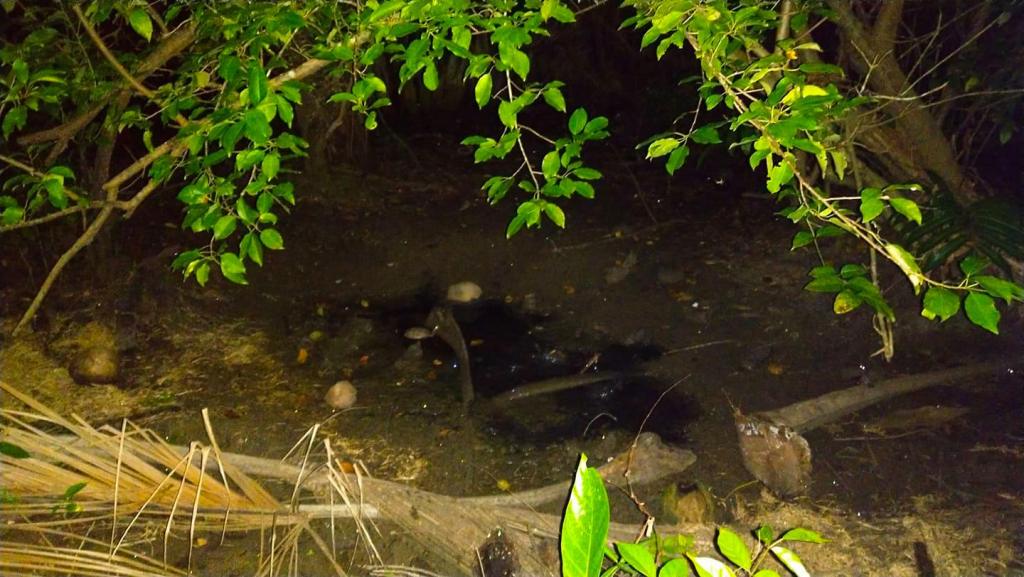
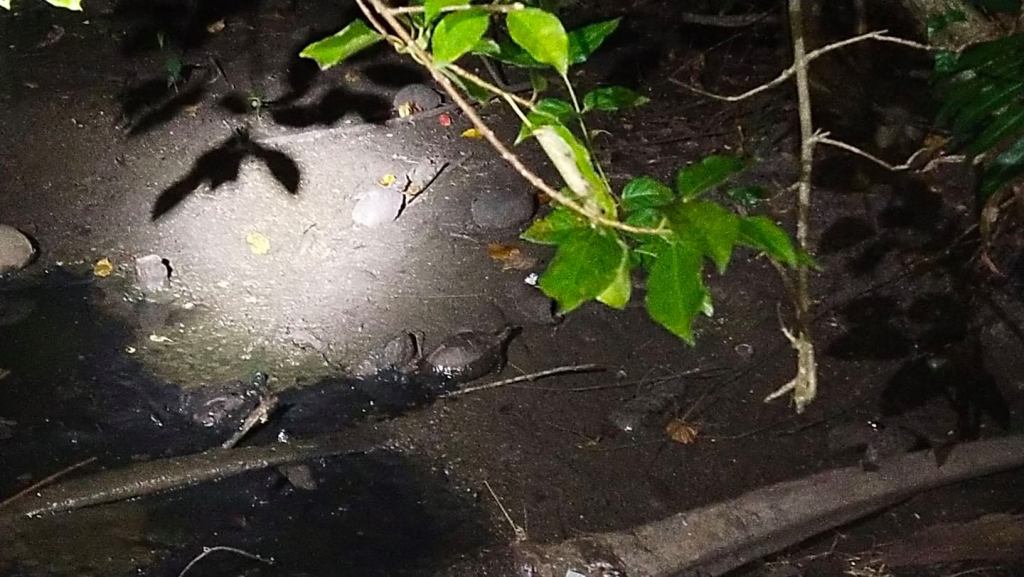
One of the most memorable experiences during our visit was venturing out at night to explore the tidal pools revealed by the receding tide. With each pool unveiling a miniature ecosystem of its own, we were treated to a fascinating spectacle of life thriving in the intertidal zone. Our excursions never failed to yield remarkable encounters with a diverse array of creatures.
Below, captured through the lens of my brother’s camera, are snapshots of some of the remarkable creatures we encountered during our nocturnal explorations. These images serve as a testament to the abundance of life that calls Mongpong Island home, offering a glimpse into the intricate web of interconnected ecosystems that flourish in this enchanting corner of the Philippines..
Although we don’t have photographs to capture the enchanting sight, witnessing bioluminescent plankton illuminating the night is a common occurrence when darkness falls over Mongpong Island. These tiny organisms often adorn dead coral boulders or float gently in the sea, casting an ethereal glow that mesmerizes those who venture into the water after dusk.
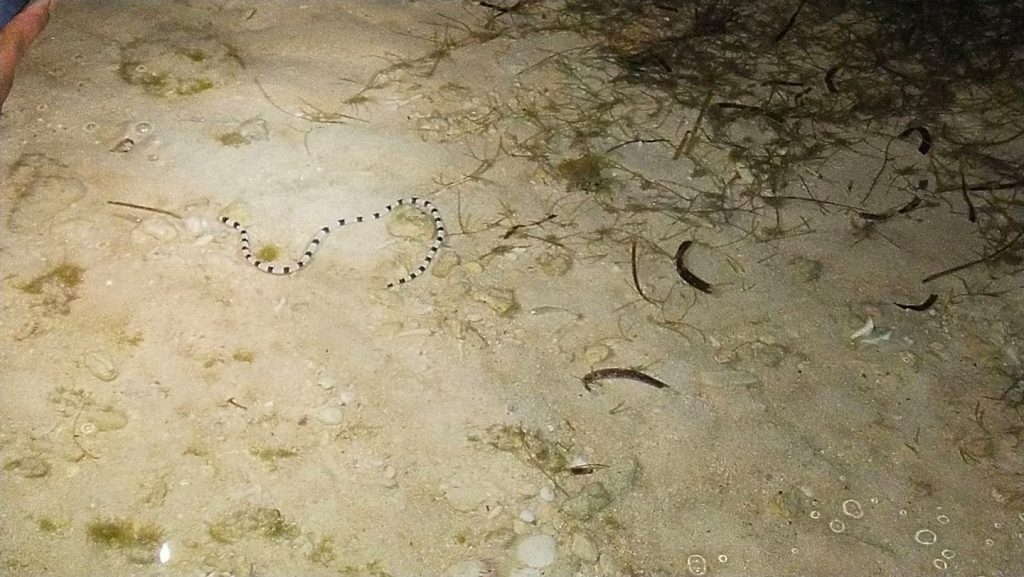
However, not all encounters under the cover of darkness are as serene. A particular section of the island, distinguished by its imposing limestone cliffs, is known to harbor sightings of the walo-walo snake—a creature best admired from a respectful distance. Despite our curiosity, we heeded the warnings and refrained from entering the water in this area.
Yet, fate had other plans during our nocturnal explorations. On the third night near the limestone cliffs, we stumbled upon an adult walo-walo snake. To our astonishment and growing unease, it followed the beam of our flashlights for over 10 meters, its sinuous form undulating gracefully beneath the surface. With a shiver of apprehension, we watched as its head emerged from the water, fixating on our presence.
Spooked by the intensity of the encounter, we hastily retreated, our hearts pounding with a mixture of awe and trepidation. It was a reminder of the untamed beauty and unpredictability of nature, prompting us to marvel at its wonders from a safe distance.
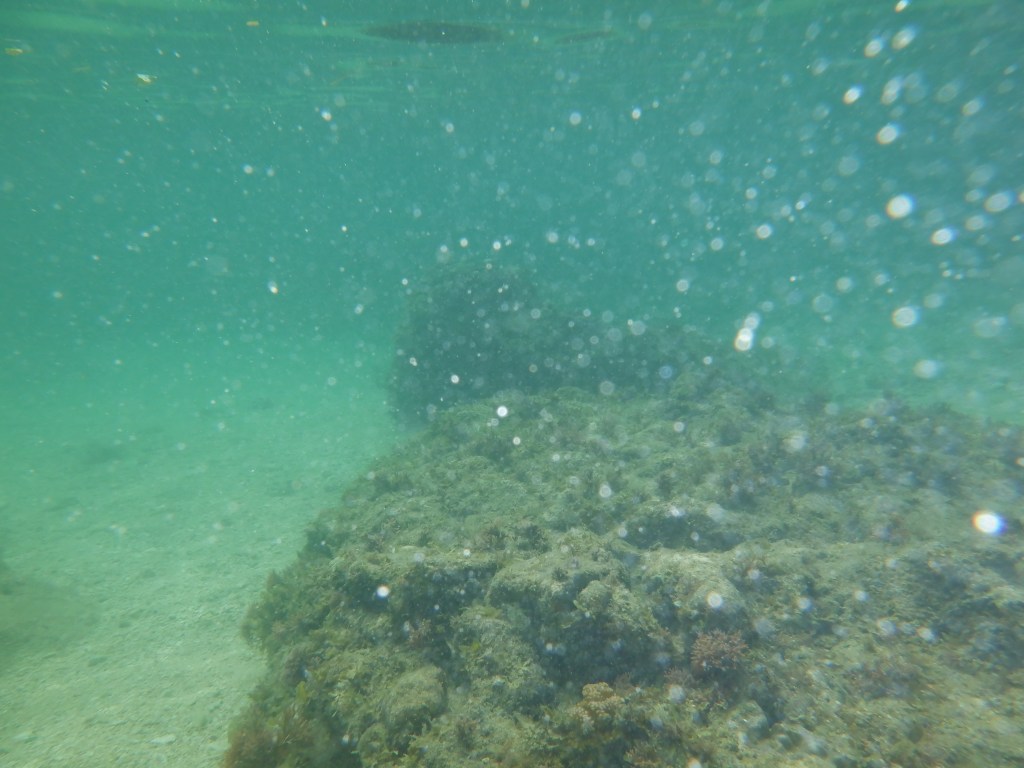
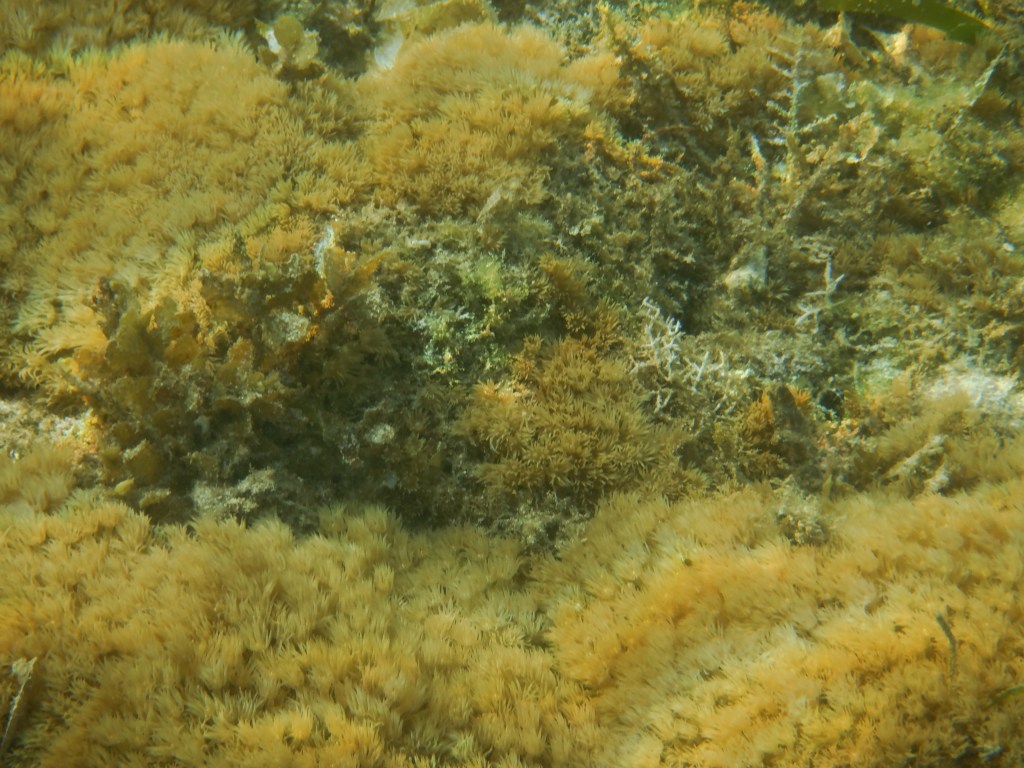
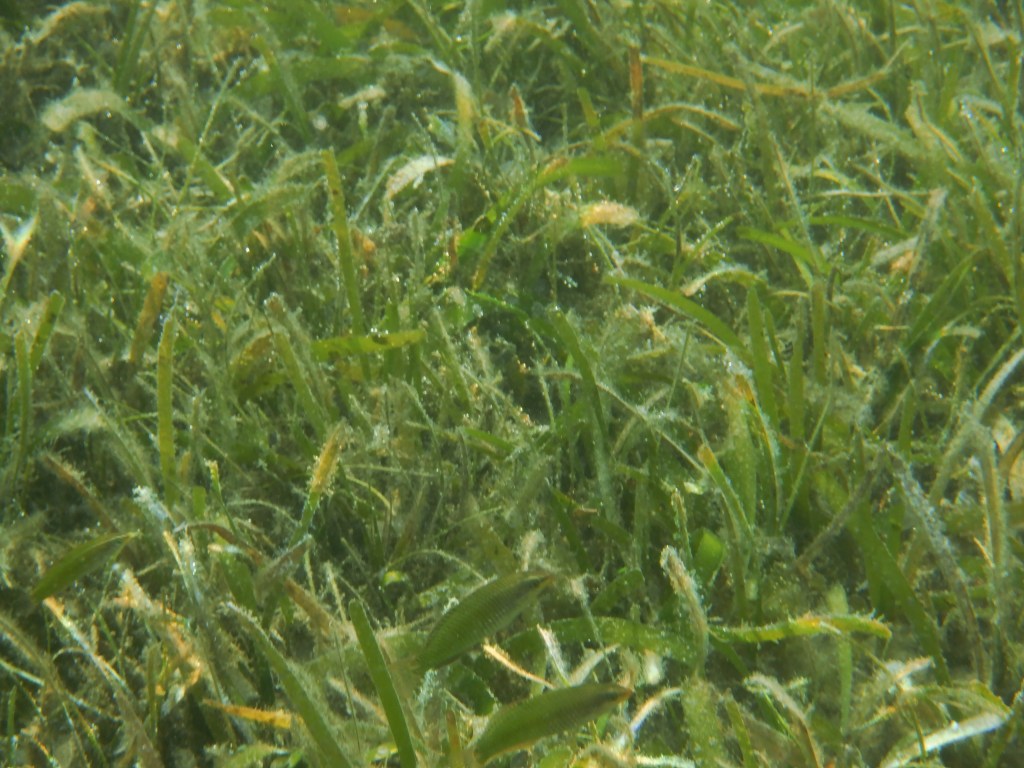
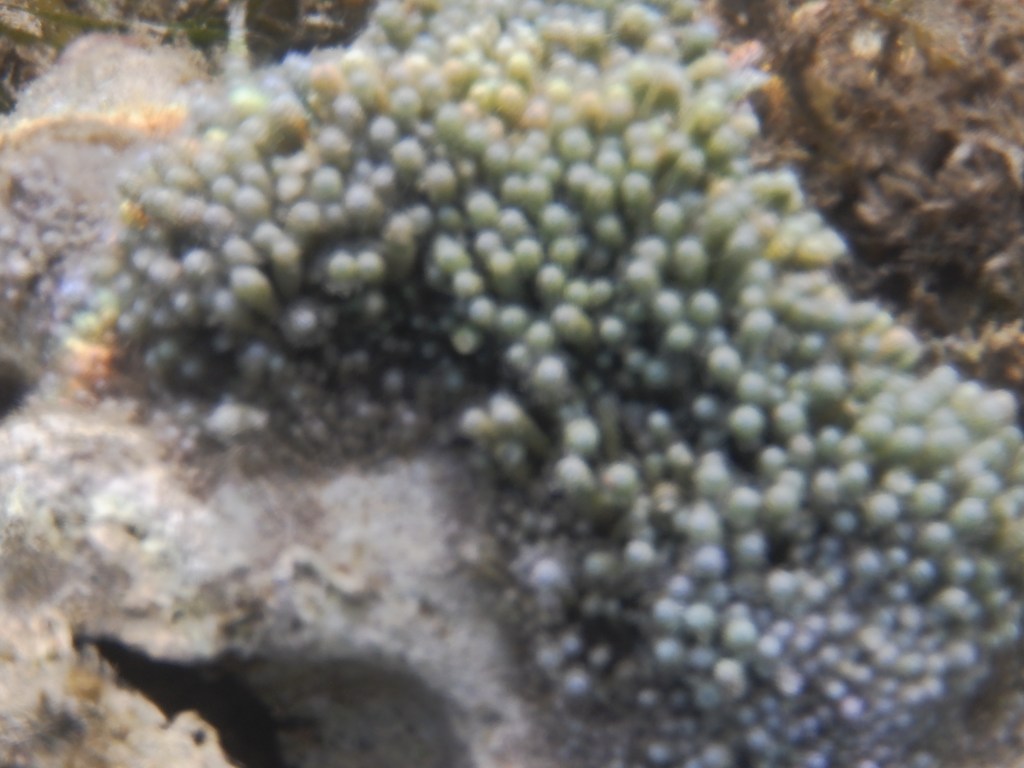
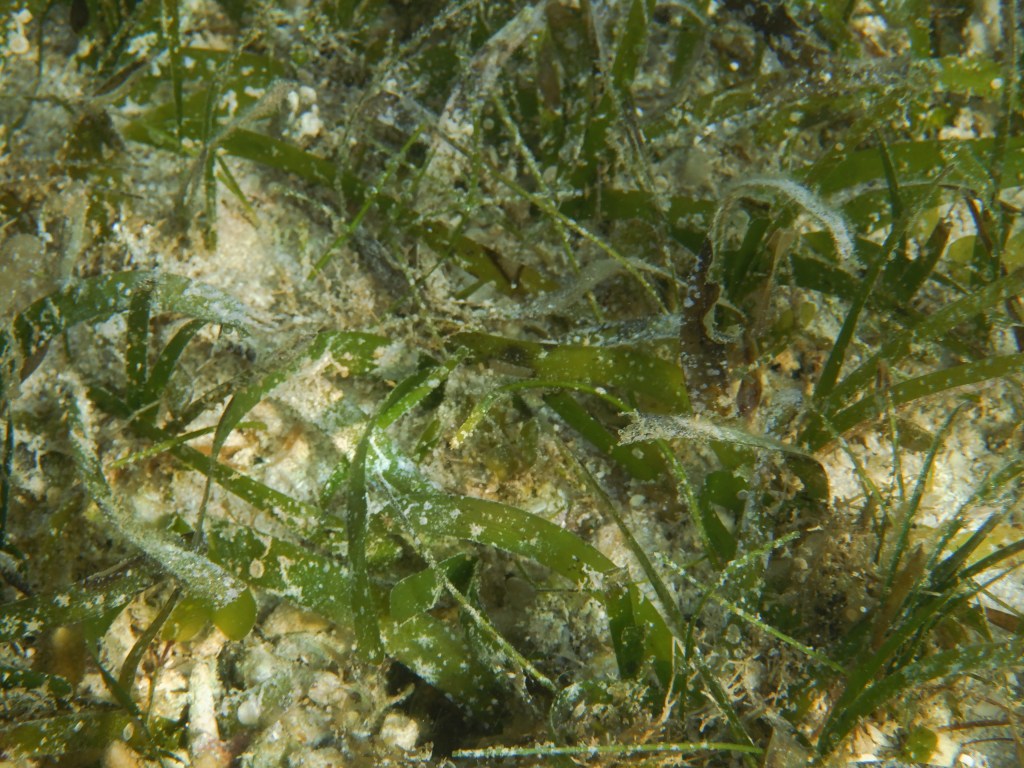
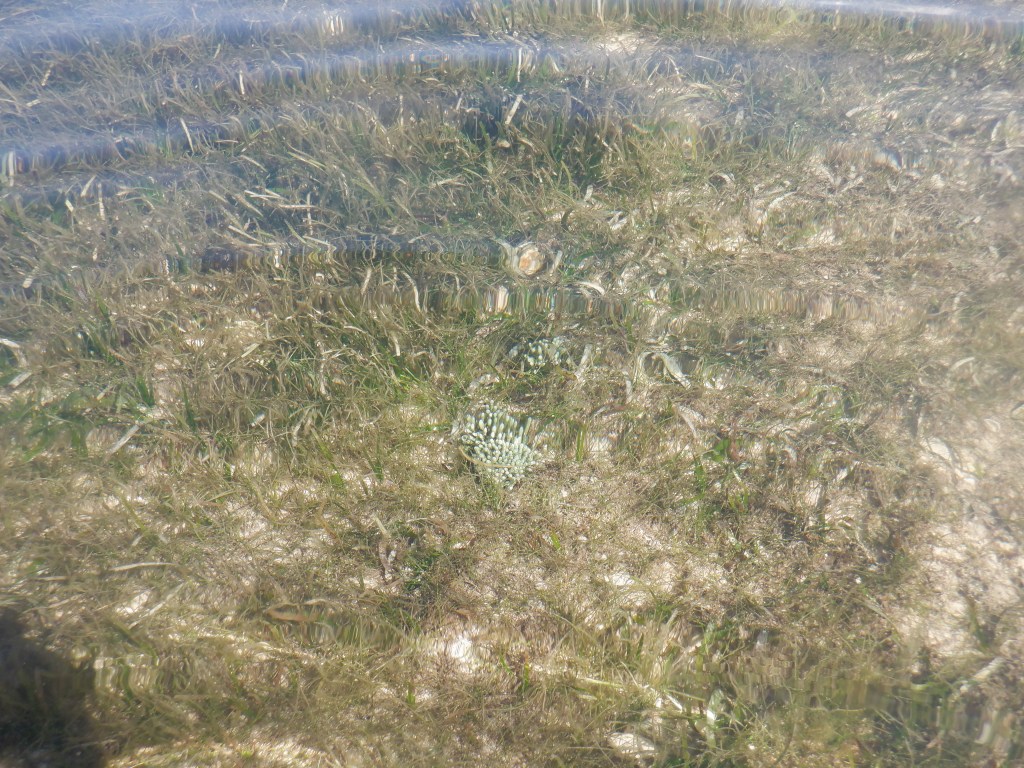
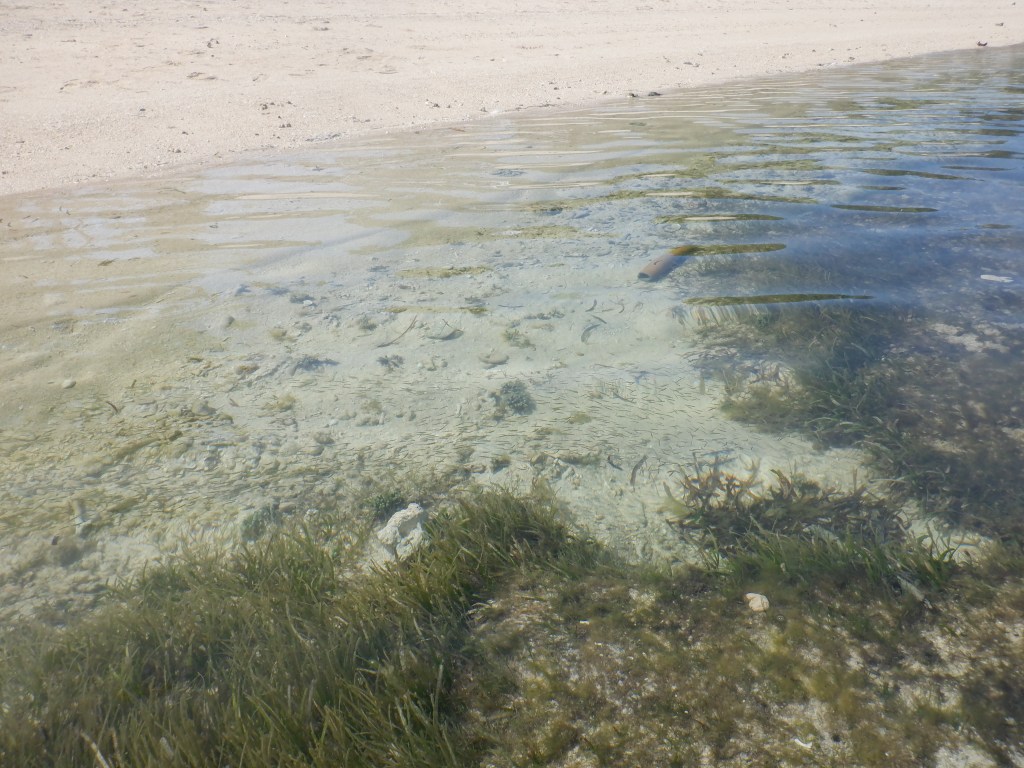
Below are some of the photos of corals when we went snorkeling.
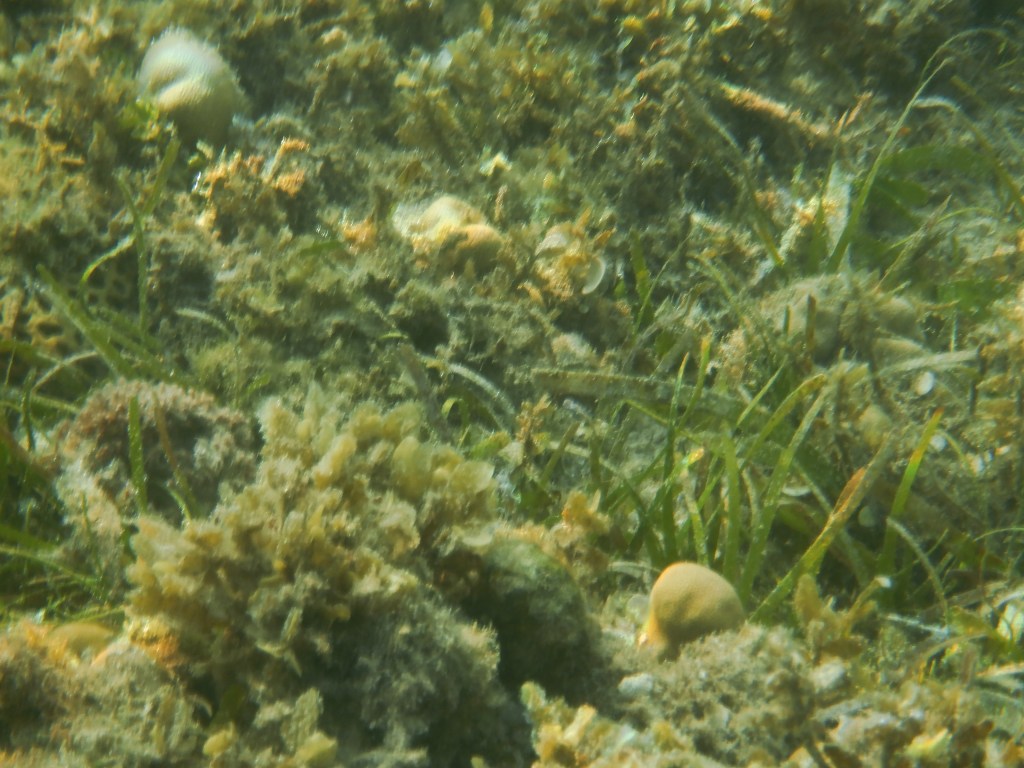
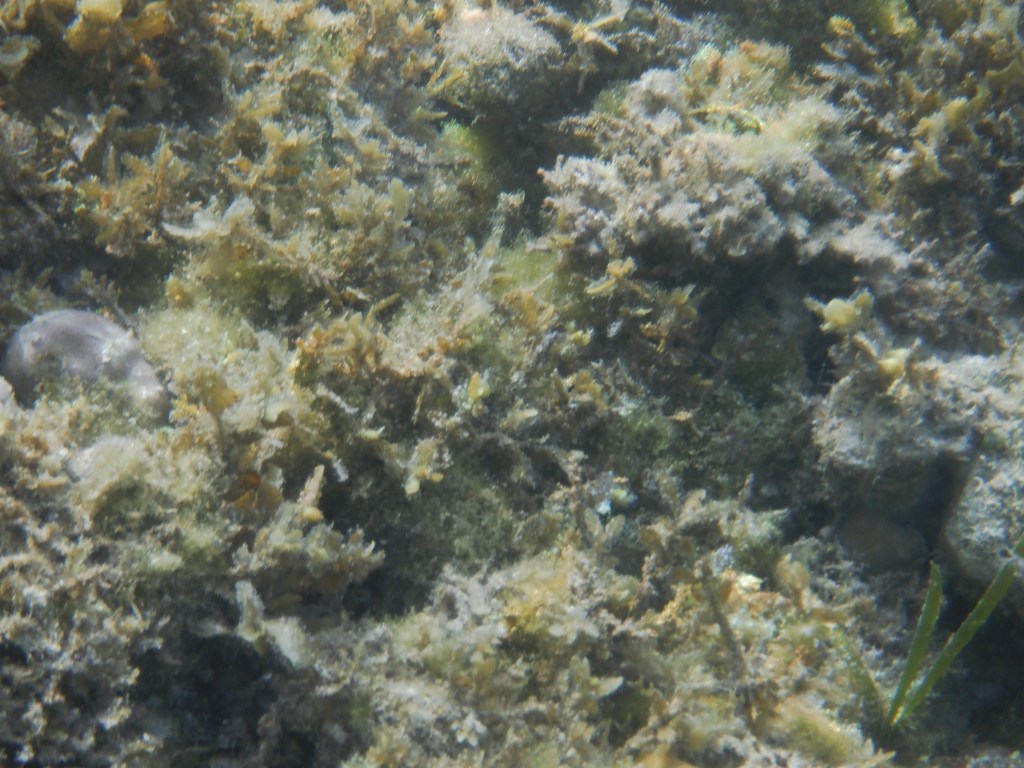
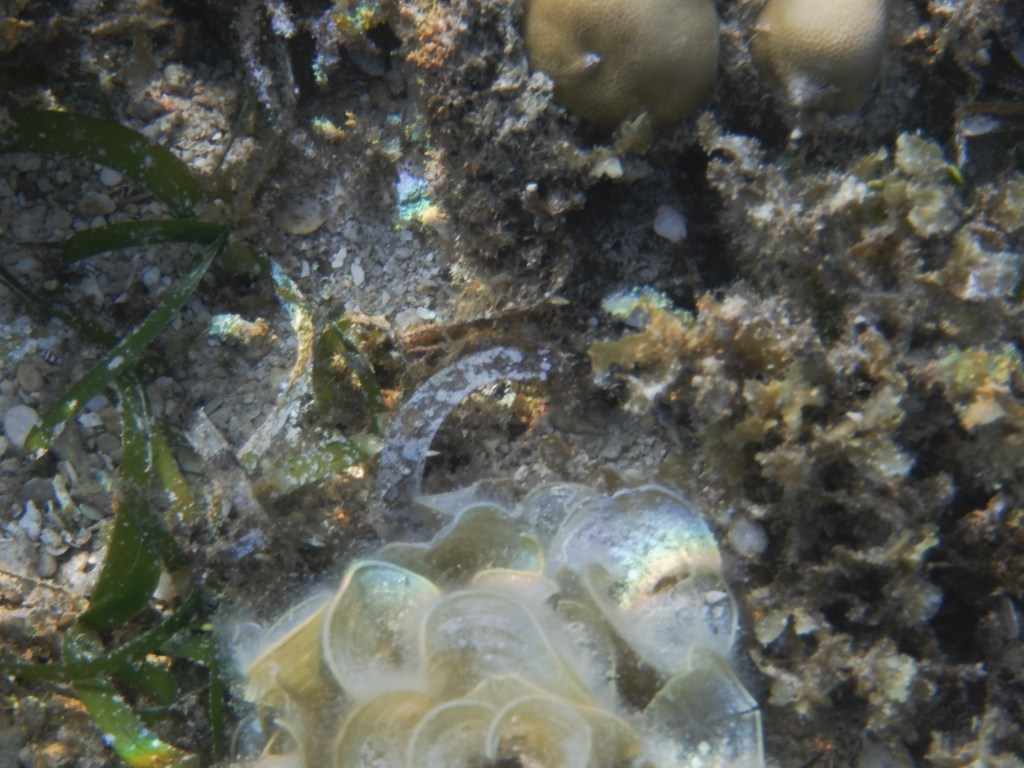
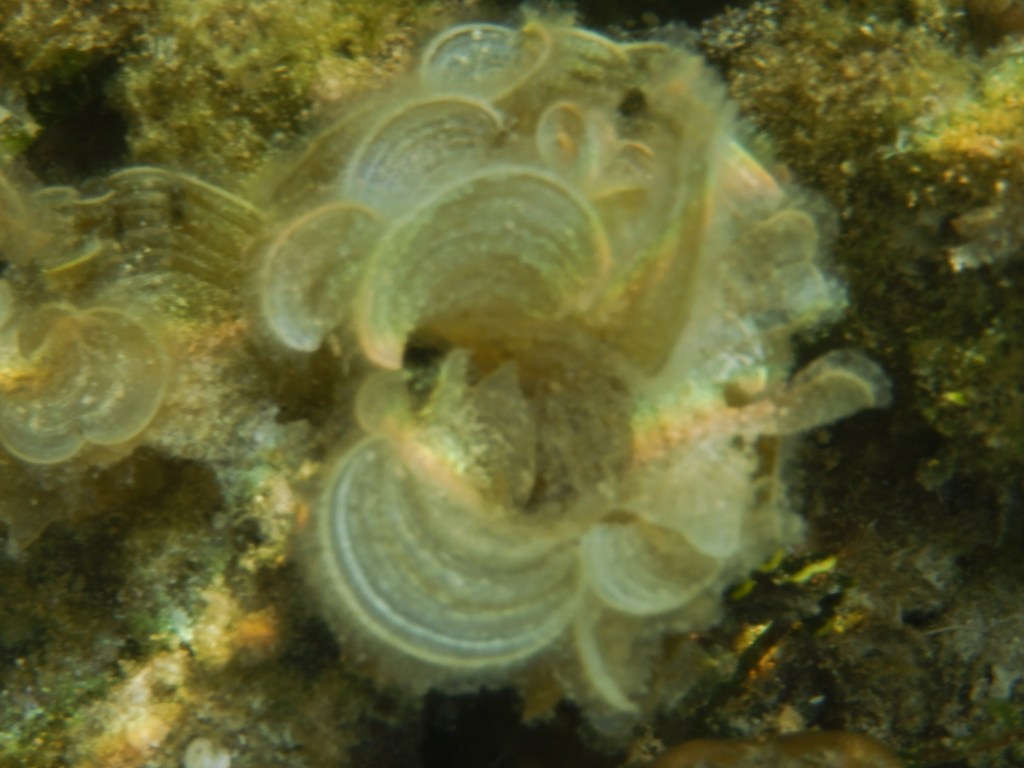
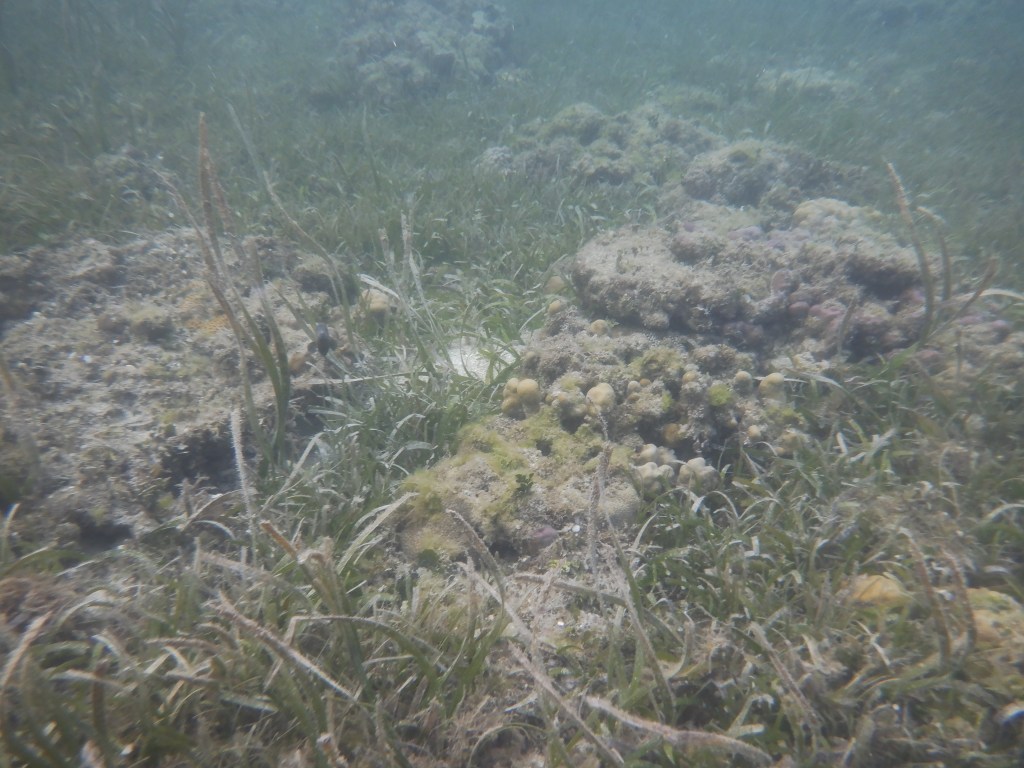
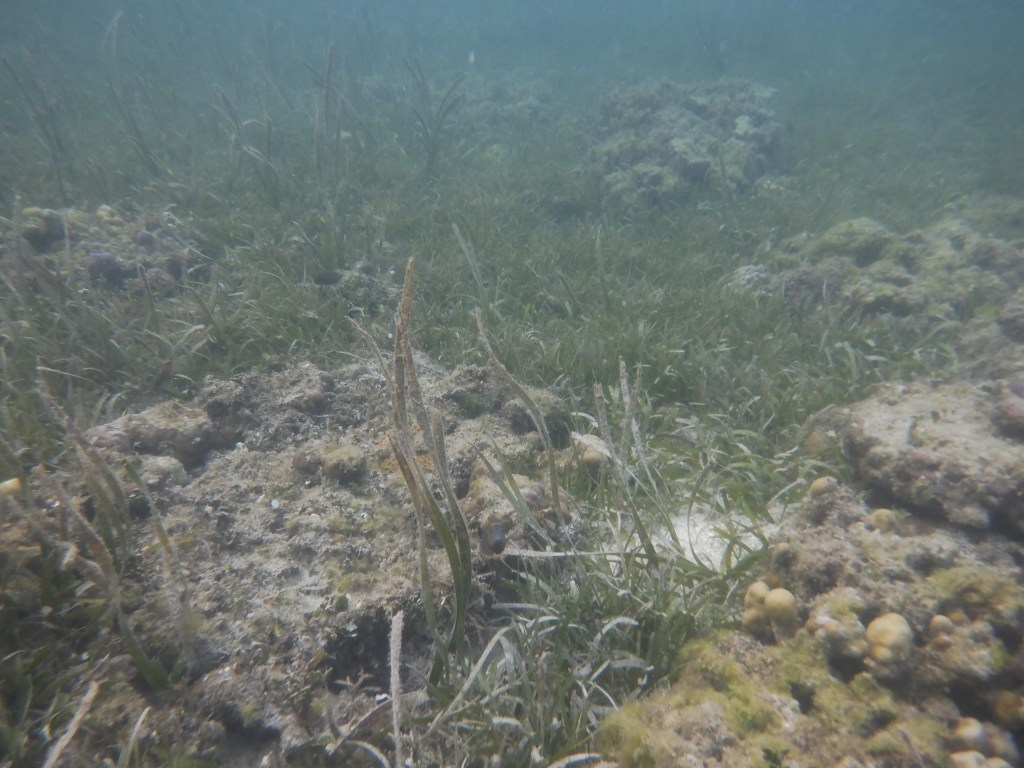
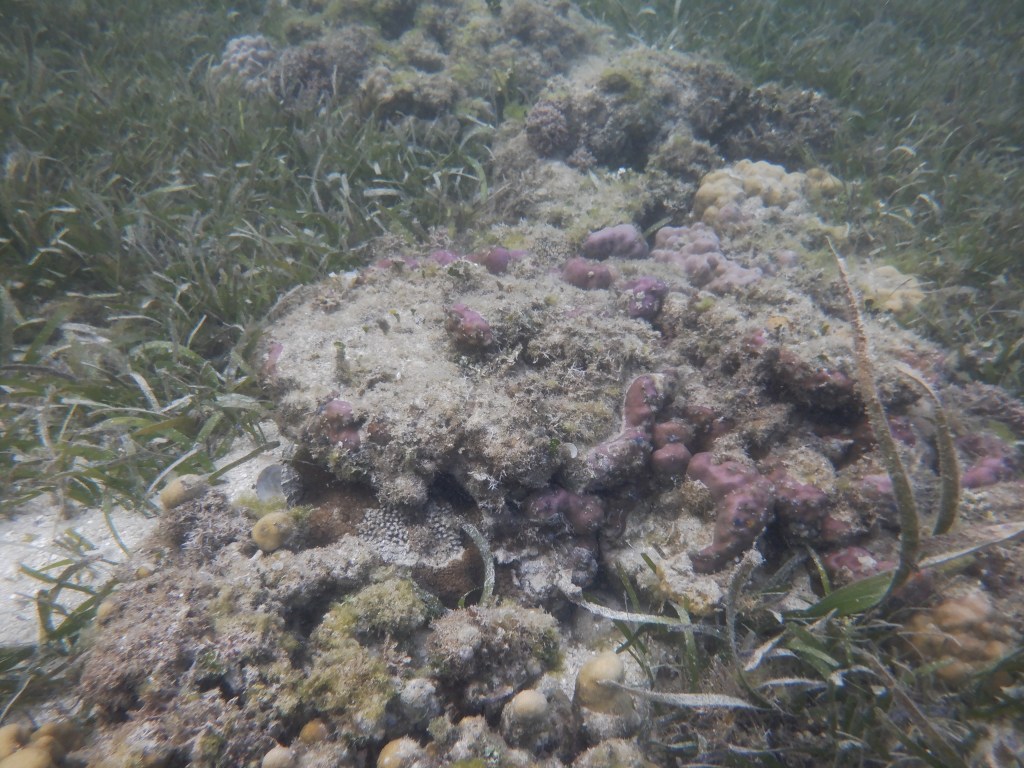
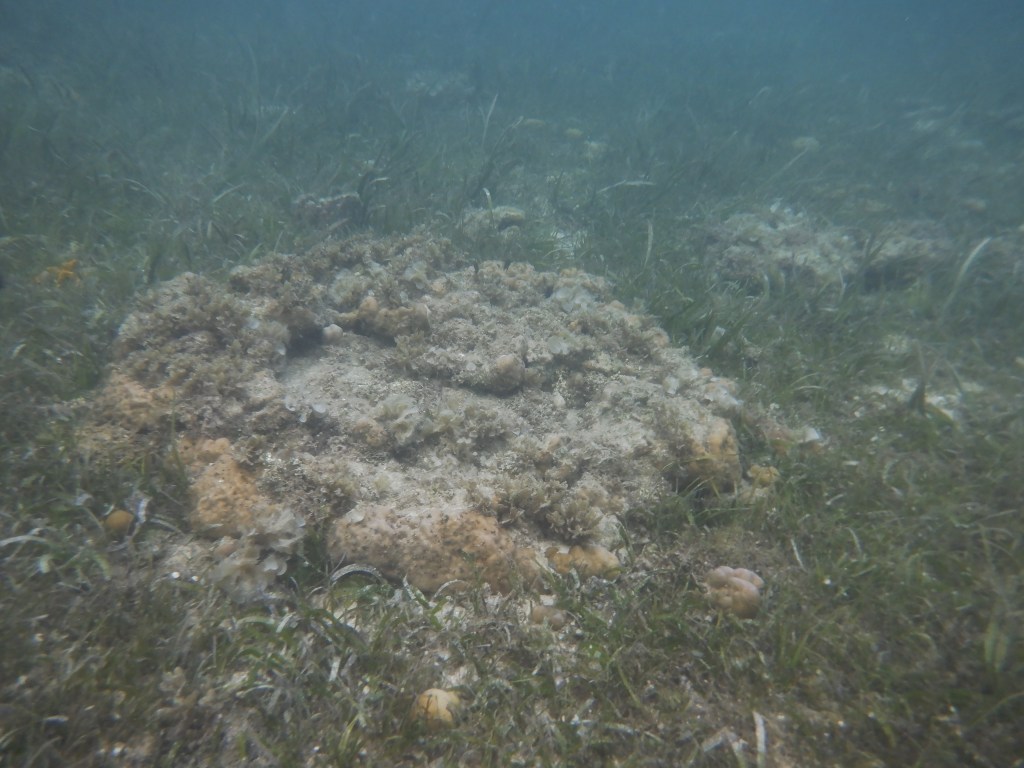
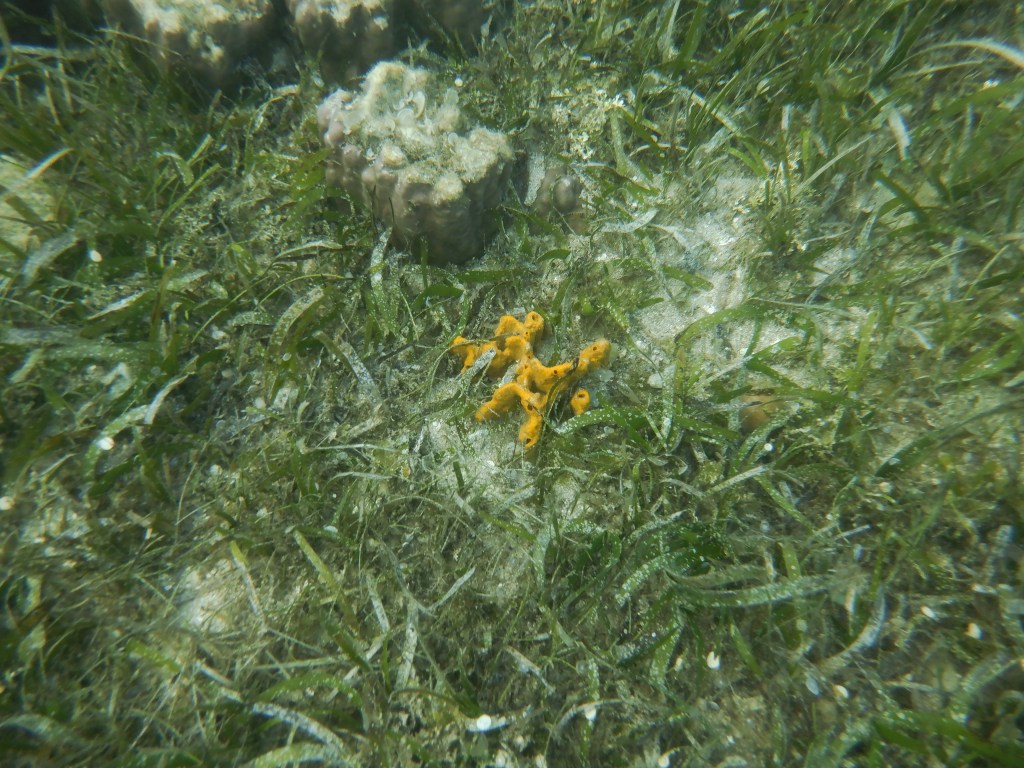
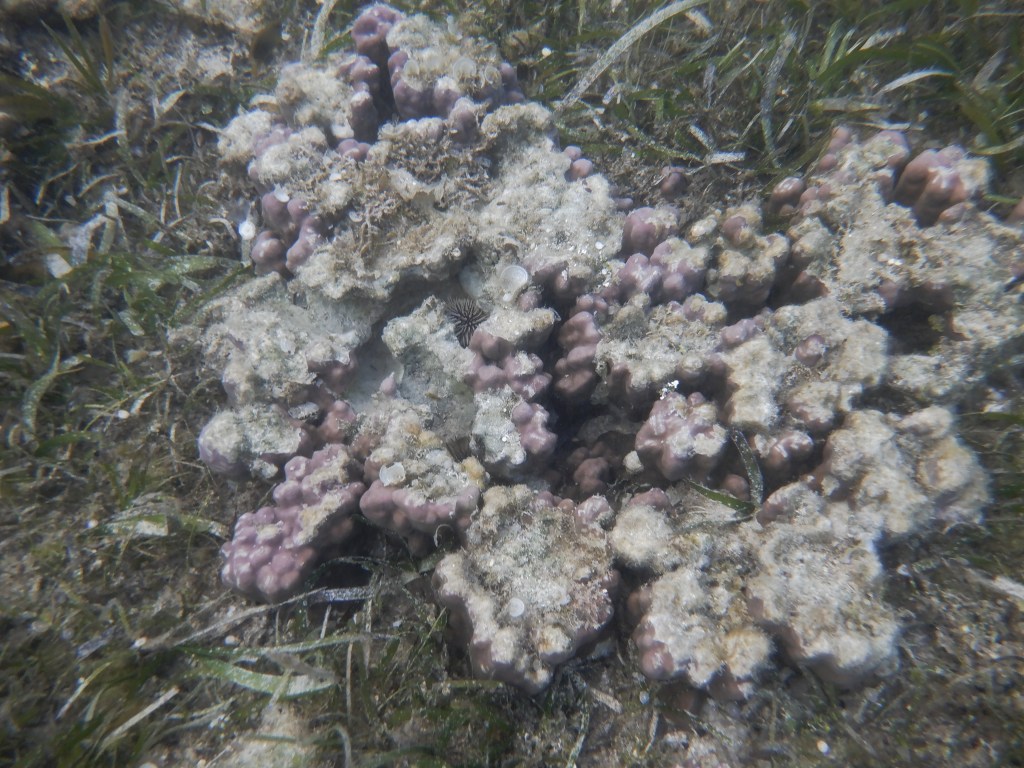
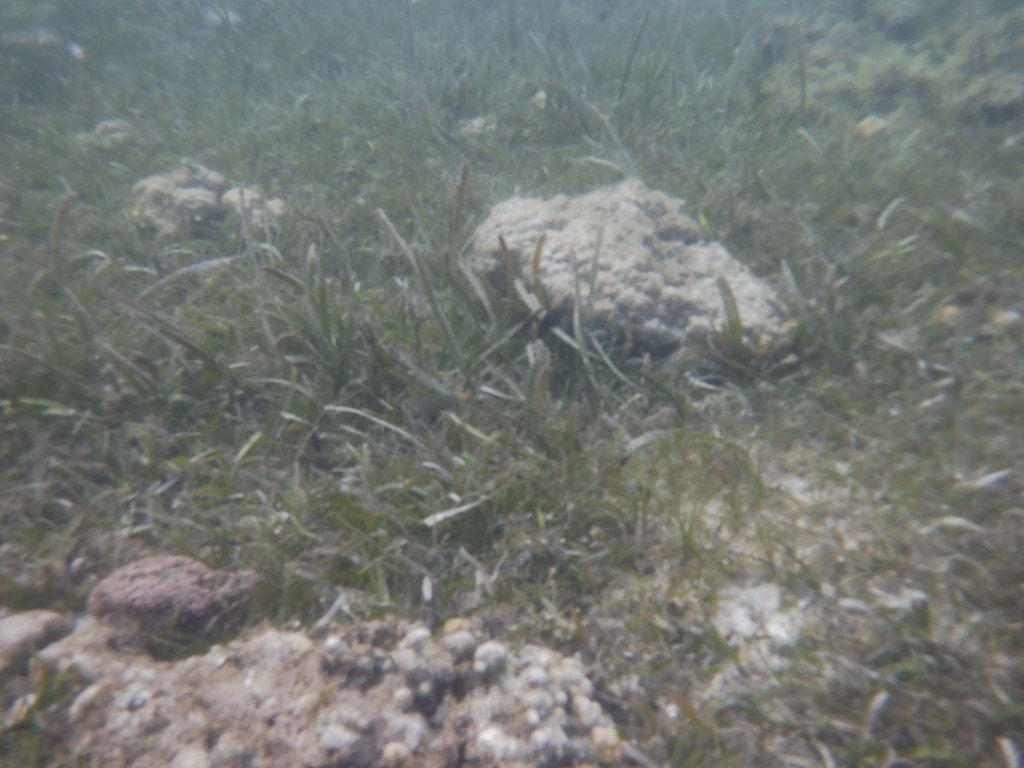
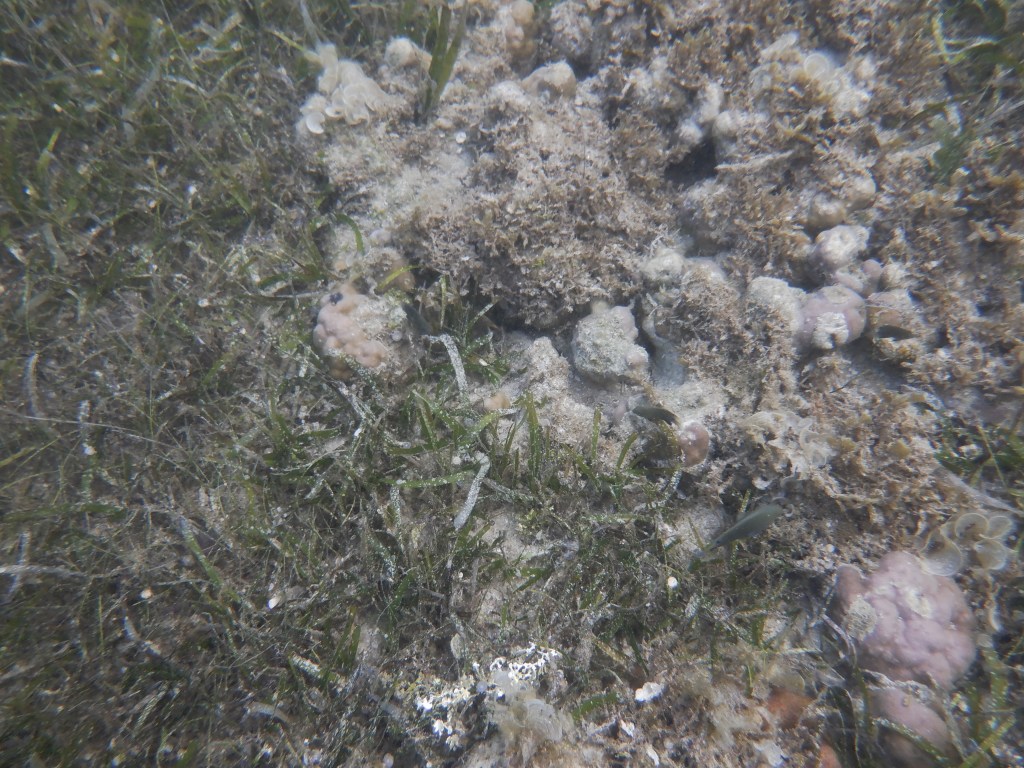
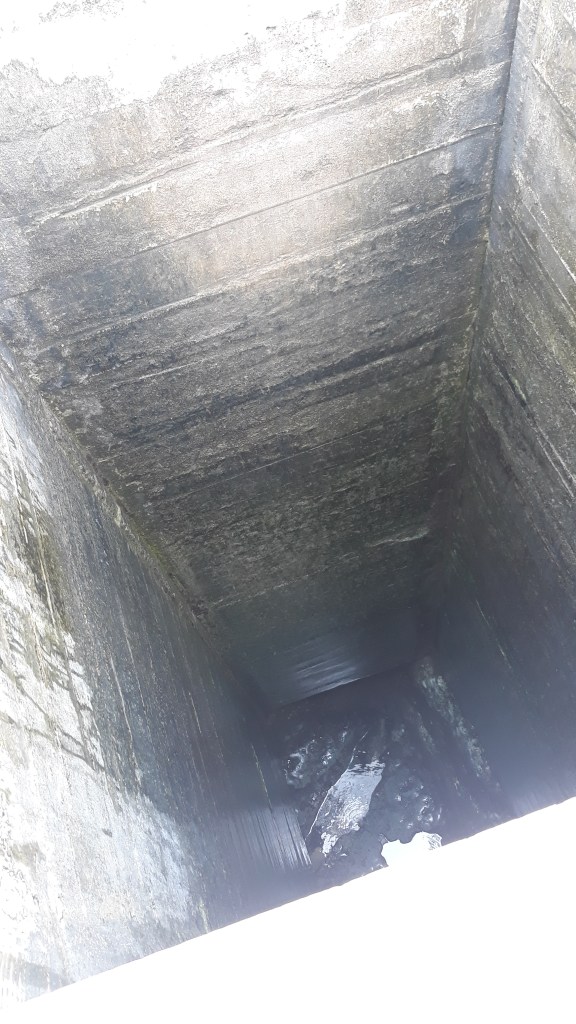
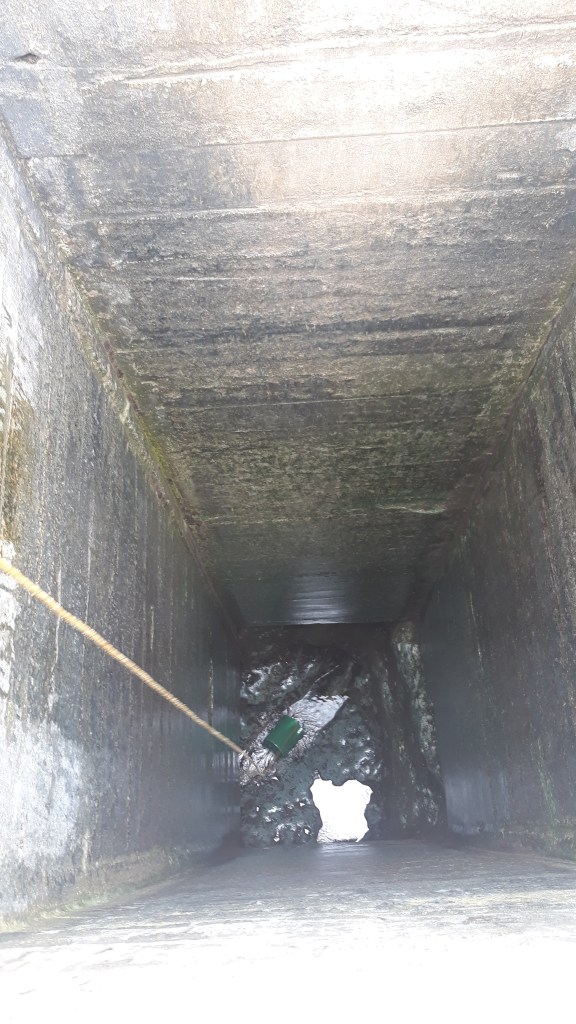
Despite its abundant natural beauty, Mongpong Island grapples with a critical scarcity—fresh water. The island’s sole well serves as a lifeline for its inhabitants, but its sluggish replenishment rate hints at the limited nature of its source, likely a perched aquifer nestled within the sandstone layers beneath the surface. To compound matters, the proximity to the shoreline renders the water in other wells mildly saline—a stark reminder of the challenges posed by the island’s geography.
Driven by my mother’s deep affection for the island, I embarked on a personal mission to inspect its water source firsthand. Witnessing the importance of this vital resource firsthand only fueled my determination to seek solutions. I’ve already initiated discussions with the locals, urging them to explore deeper into the sandstone layers in search of an alternate water source. Additionally, I’ve encouraged them to petition the local government for funding to drill artesian wells, acknowledging the logistical challenges posed by the island’s reliance on generators for power. While a motorized solution may offer efficiency, the island’s current infrastructure limitations necessitate a pragmatic approach to ensure sustainable access to water.
Despite these challenges, the resilience of the island’s residents shines through in their resourcefulness. Every household has implemented rainwater collection systems, a testament to their proactive efforts to mitigate the impact of water scarcity. It’s a reminder of the indomitable spirit that thrives amidst adversity, fueling hope for a brighter, more sustainable future for Mongpong Island and its inhabitants.
Birdwatching on the island is a delight, with a diverse array of avian residents gracing the landscape. During my observations, I encountered a vibrant tapestry of species, including the elegant kingfisher, a chorus of crows congregating in the branches of a single tree, and the gentle cooing of zebra doves. Amongst the colorful plumage and distinctive calls, there were undoubtedly other feathered inhabitants whose identities eluded me but added to the rich tapestry of avian life.
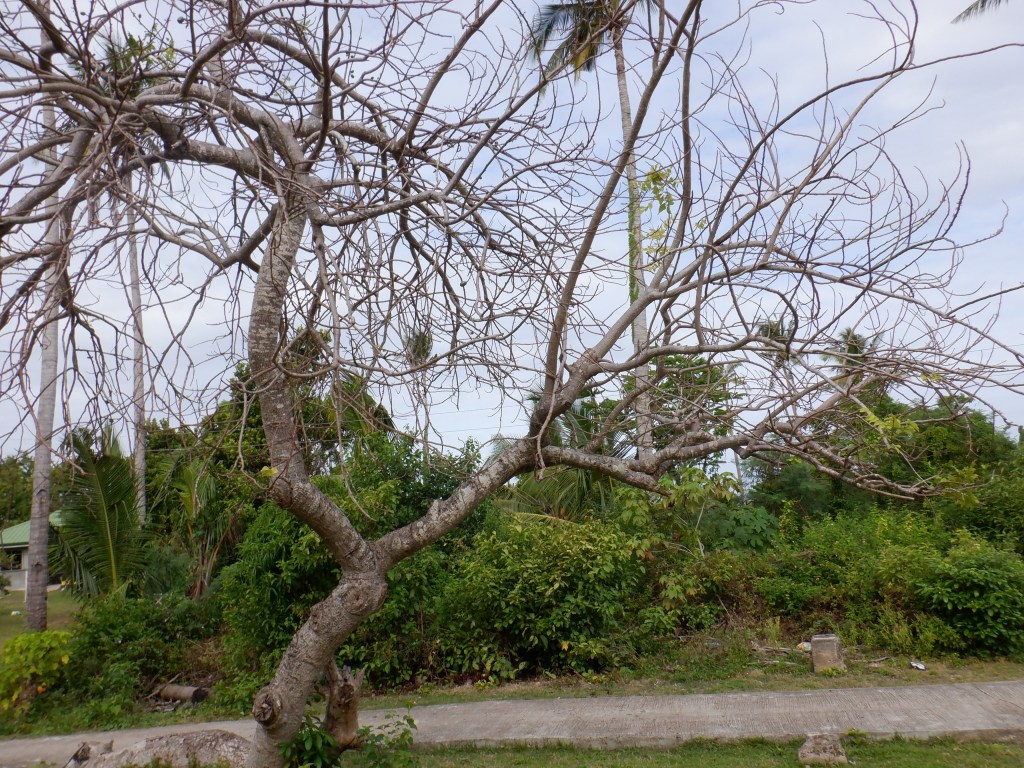
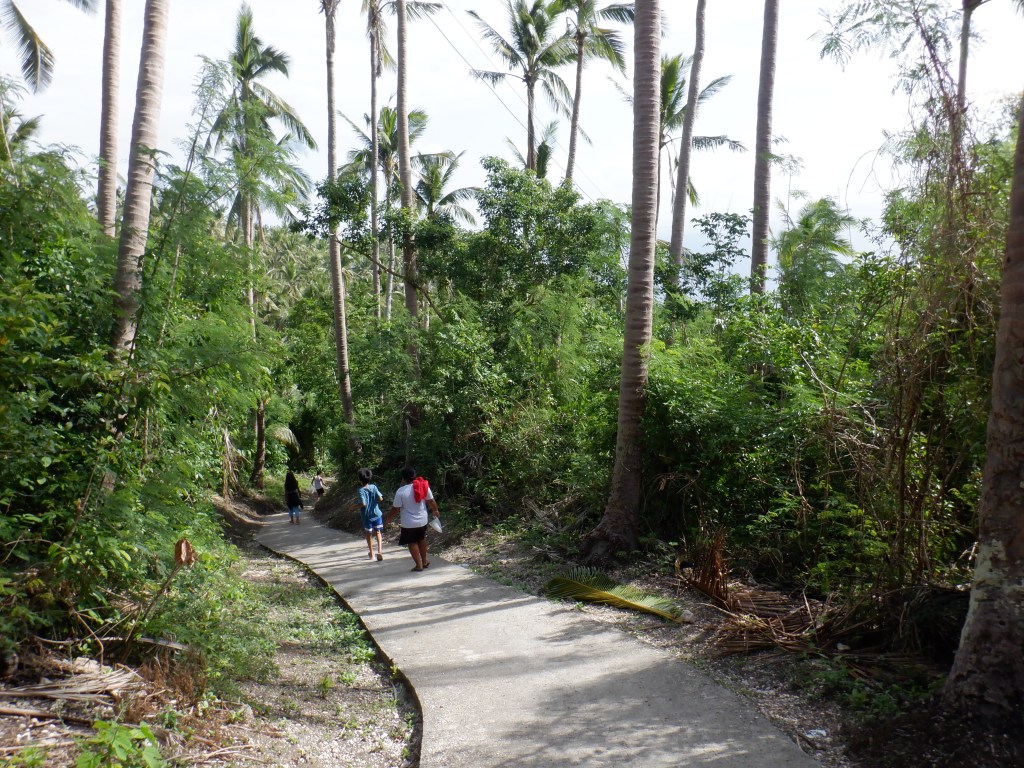
Despite the island’s timeless charm, its true treasures lie within the embrace of its ancient trees. While majestic decades-old specimens stand as silent witnesses to the passage of time, it is the ubiquitous presence of coconut palms that dominates the skyline, their graceful fronds swaying in harmony with the gentle ocean breeze.
Anticipating our next visit, scheduled for May or June, we’re already planning to enhance our birdwatching experience by equipping ourselves with superior camera lenses. This upgrade will afford us the opportunity to capture the avian residents from a respectful distance, preserving their beauty and grace in stunning detail for posterity.

Respecting the tranquility of the community is paramount during your visit.
- Leave No Trace: Ensure you leave no garbage behind. If possible, organize a coastal clean-up with your companions, disposing of collected trash in bins or sacks away from the shore.
- Minimize Single-Use Plastics: Please limit the use of single-use plastics and ensure they are not left behind.
- Preserve Wildlife: Refrain from disturbing or taking any living creatures from their natural habitat. Respectfully observe wildlife from a distance.
- Protect Natural Features: Avoid vandalizing rock formations and coral reefs, preserving their natural beauty for future generations.
- Choose Reef-Friendly Sunblock: Utilize only reef-friendly sunblock to protect yourself from harmful UV rays without harming marine ecosystems. Educate yourself on the importance of reef-safe sunscreen through resources like the article linked here: Reef-Safe Sunscreen.
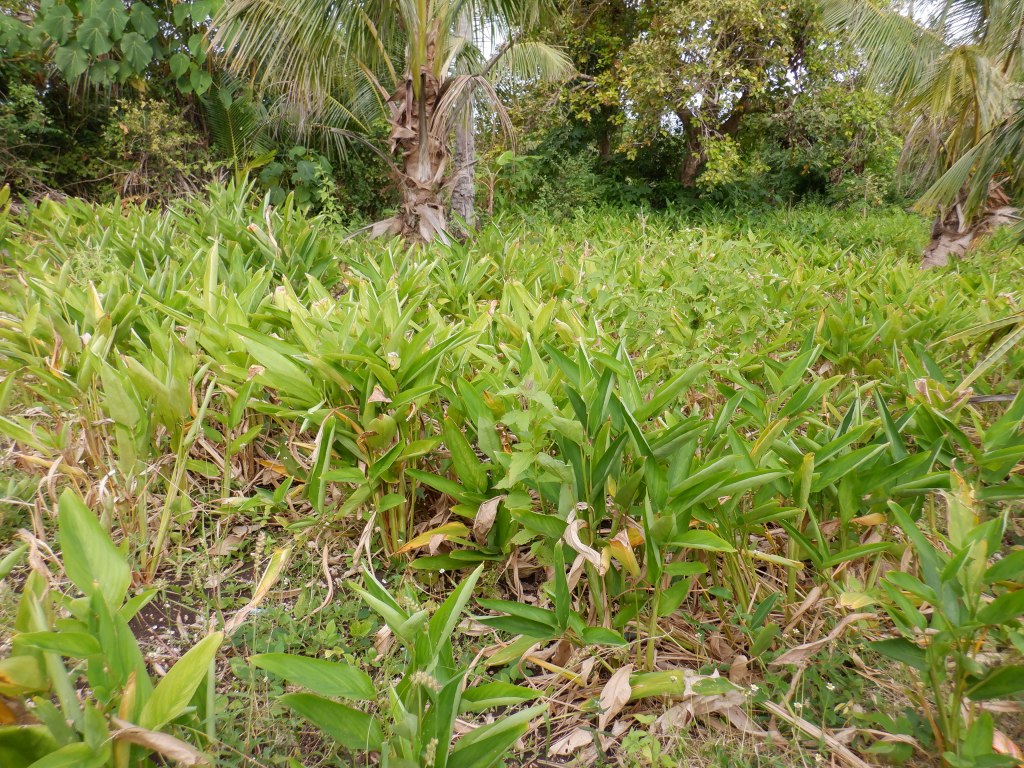
- Support Local Communities: Contribute to the local economy by purchasing locally sourced produce, including fish, seafood, and agricultural goods like arrowroot, root crops, bananas, and mangoes.
- Prevent Disease Spread: To prevent the spread of African Swine Flu, refrain from bringing any pork products into the area, as they will be confiscated at Calauan Quezon pier.
- Preserve Coastal Environment: Avoid collecting sand to take home with you, as excessive removal can exacerbate coastal erosion. While locals may collect sand for specific purposes like building houses, responsible sand extraction is essential to mitigate environmental impact.
Remember, your responsible actions contribute to the preservation of this beautiful island paradise. Above all, take time to relax, unwind, and embrace the rejuvenating experience the island offers. Self-care amidst such natural beauty is a truly rewarding endeavor.
Discover more from The Fabulous Scientist
Subscribe to get the latest posts sent to your email.

 The Fabulous Scientist
1 thought on “Mongpong Island – An Island Paradise Every Budget Traveler and Homeschooling Family Must Visit in the Philippines”