
Grass Padrique | The Fabulous Scientist
If you told me more than a year ago that my favorite weekend ritual would involve sensible shoes and early morning sunlight, I would have laughed politely and gone back to my coffee and book.
And yet here we are.
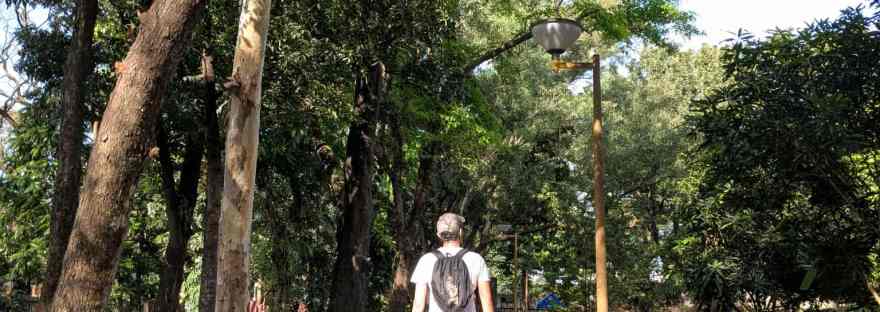
Since last year, I’ve been regularly walking around University of the Philippines Diliman during weekends as part of my fitness journey. I’m part of our company’s Run Club, but because I’m still working on losing weight and would very much like my knees to remain functional for the next few decades, I mostly walk and lightly jog during our community runs.
What started as a practical fitness decision has turned into something much bigger: a family tradition.
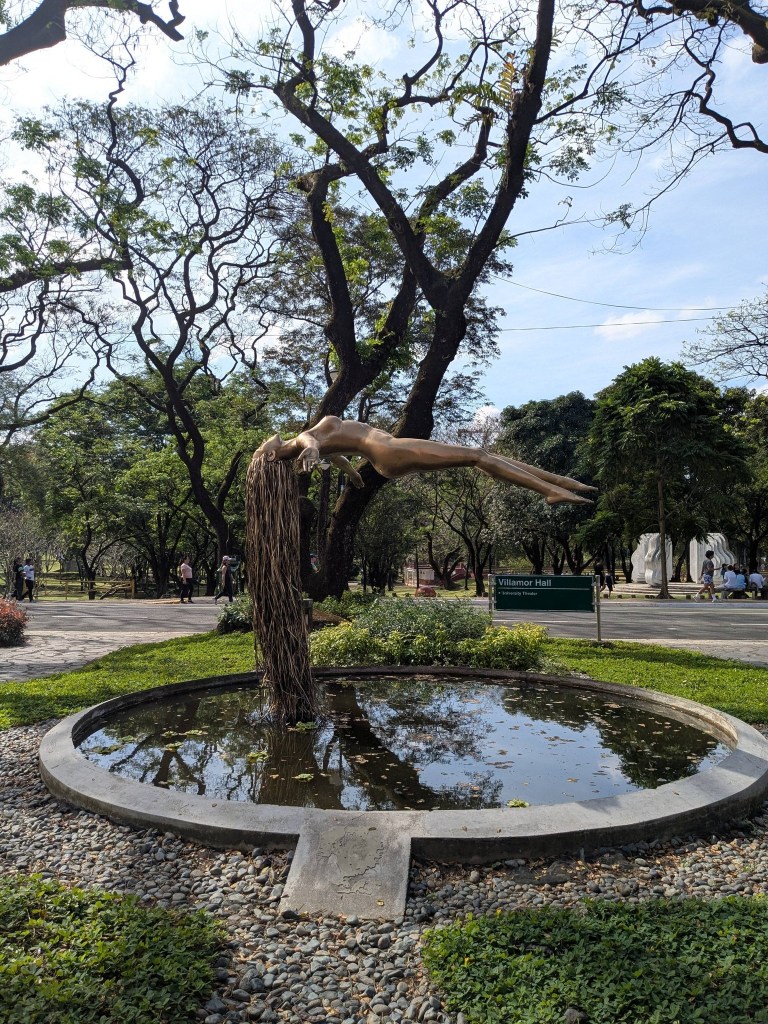
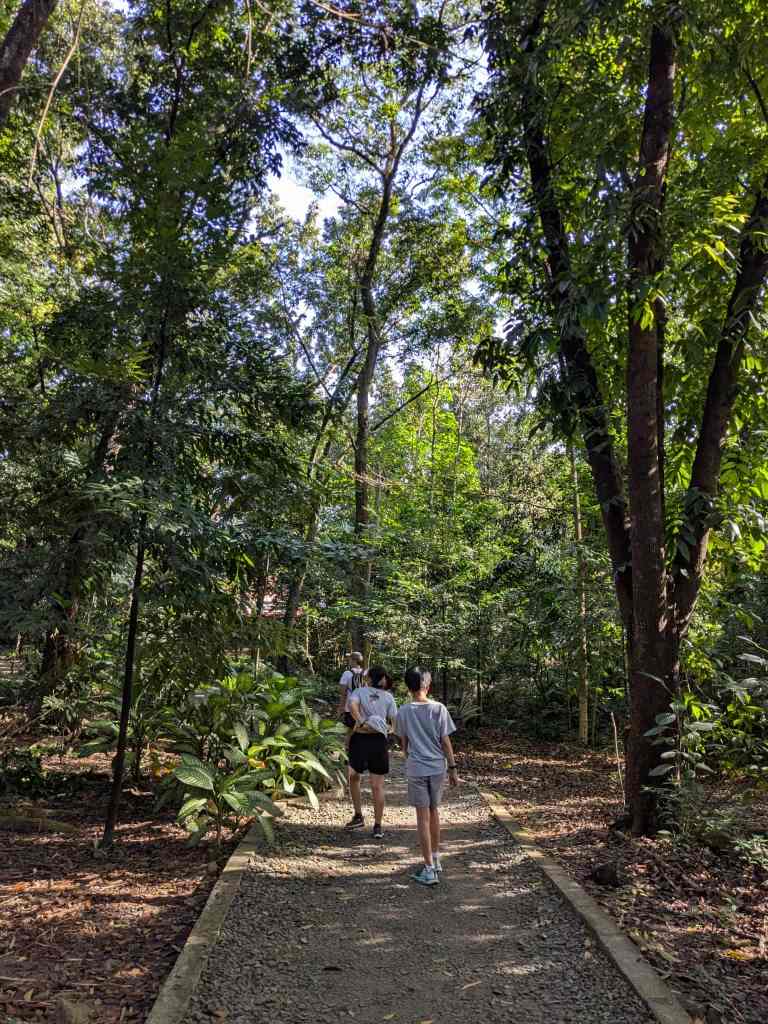
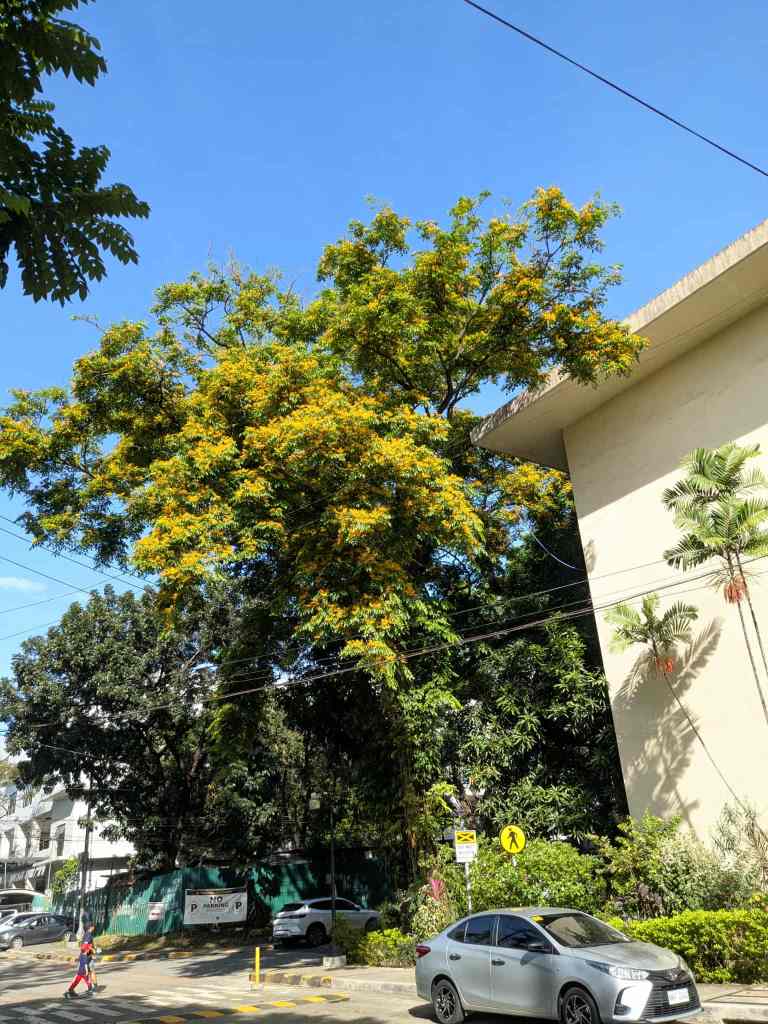
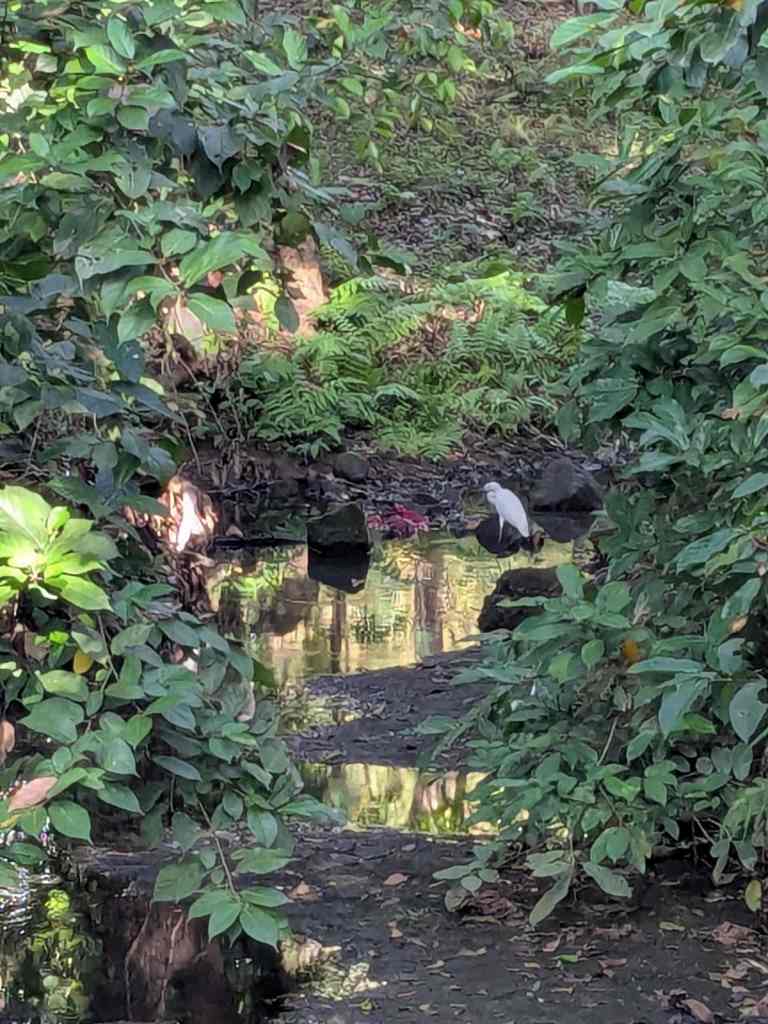
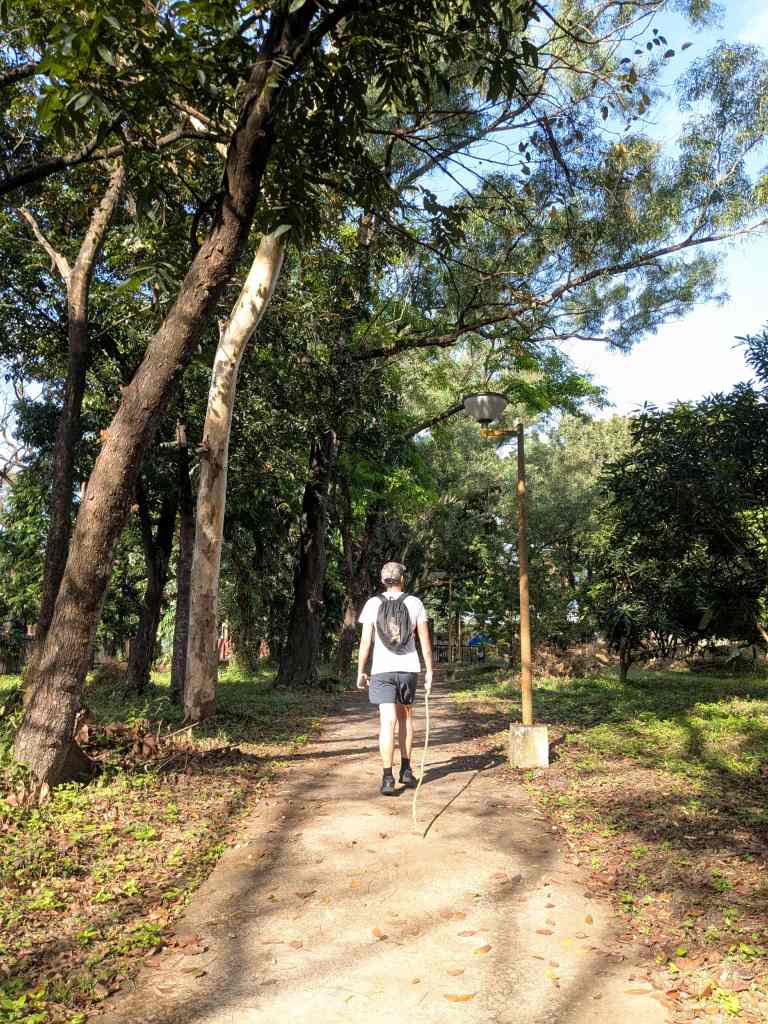
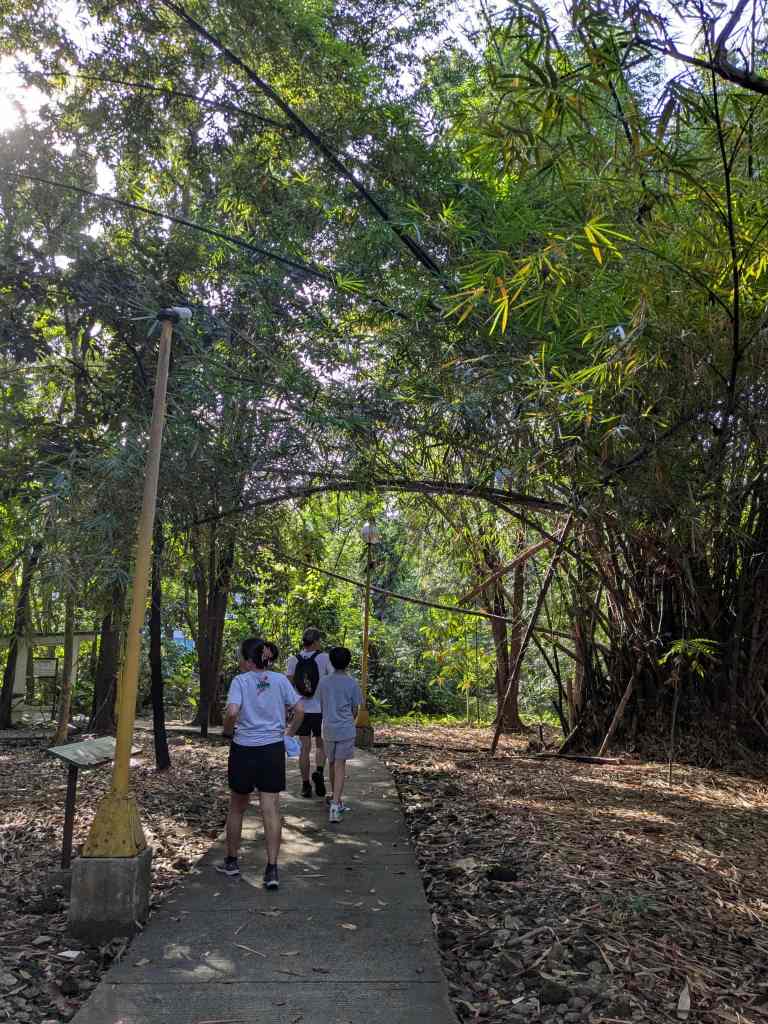
Here’s why walking at UP has become our favorite weekend habit.
1. It’s Family Bonding Disguised as Exercise
Walking gives us uninterrupted time to talk without screens, notifications, or the temptation to “just check one email.” Conversations flow differently when you’re moving side by side. My husband and I catch up. Our son points out random things we would otherwise miss or get to play with his RC truck while we walk. Sometimes we just enjoy the quiet.
It’s low-pressure, low-cost, and surprisingly high-impact in terms of connection. My son was reluctant to go with me and his dad at first but he’s now the one reminding us to wake up early for our “scheduled” morning walks. He clearly enjoys our time together as a family.



2. Nature Therapy Is Real (And It’s Free)
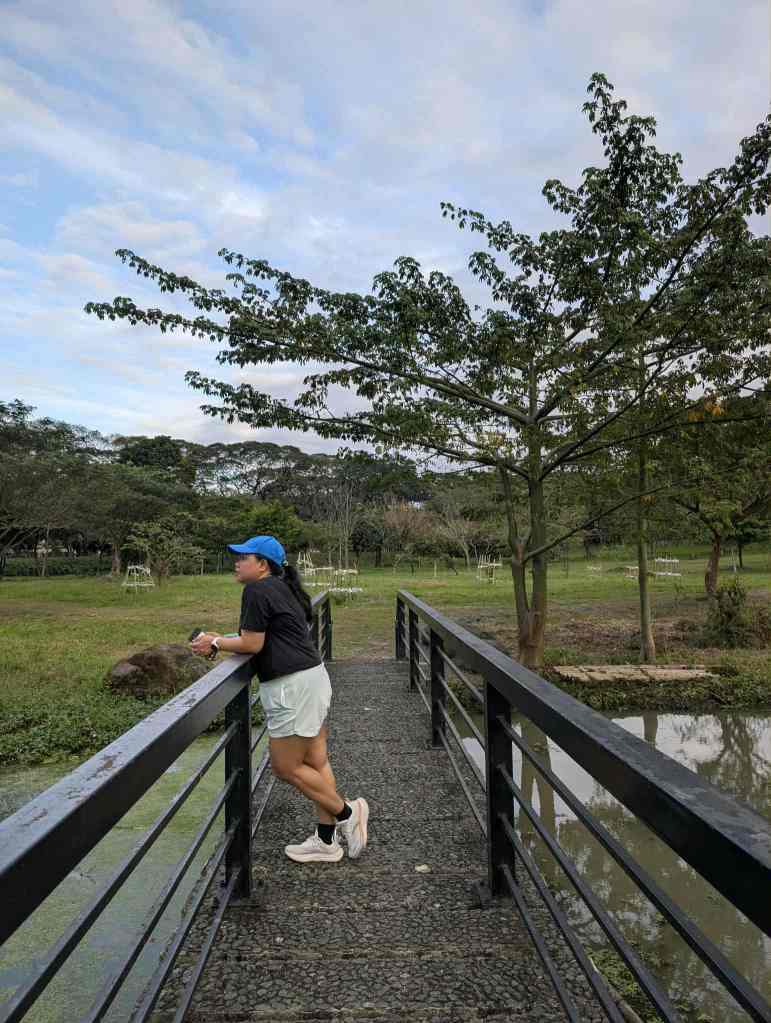
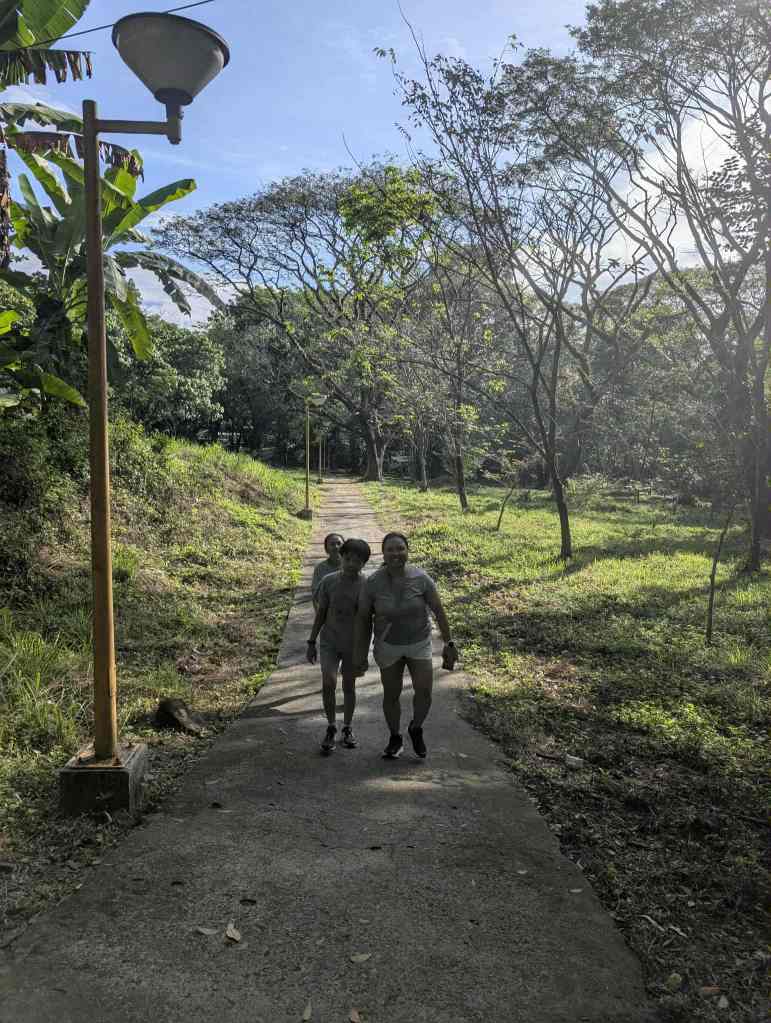
UP Diliman is one of the few places in Metro Manila where you can look up and see layers of trees, where the grass is thick, with gently flowing creeks, natural rock formations (Diliman Tuff), and birds.
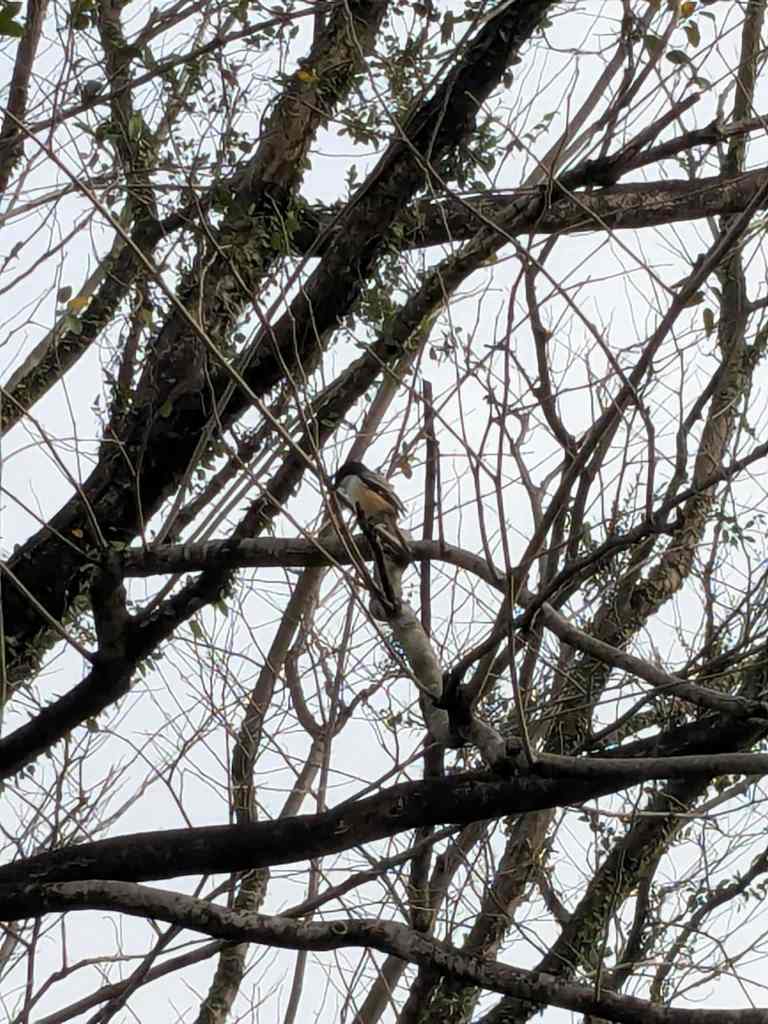
We watch birds, in particular, with our own pair of binoculars we bought for the purpose. The highest number of bird species we saw in one day was 27. Some of the regular birds include black crow, sunbirds, yellow-vented bulbul, black-naped oreole, kingfisher, heron, wild ducks, “maya”, woodpecker, swallow, just to name a few as remembered by a non-expert like me.
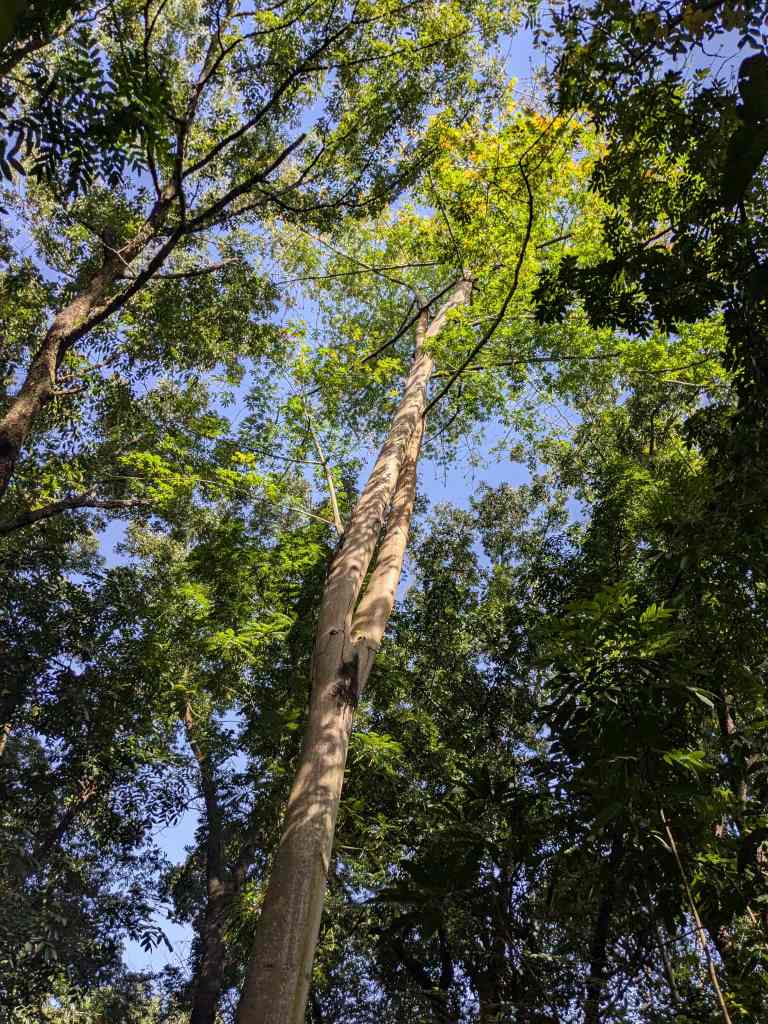
We also like looking up at towering trees and we specially like the native trees as identified using books we bought few years ago. Some of the trees near the College of Science Building actually have labels beside them so we also learn while we walk. We pause when something rustles above us. Once, we spotted a squirrel sprinting up a tree branch at lightning speed and managed to take a video (below) just before it vanished into the leaves. It felt like we had won a tiny wildlife lottery. Although I know that squirrels are introduced and invasive species, I do find them really cute!
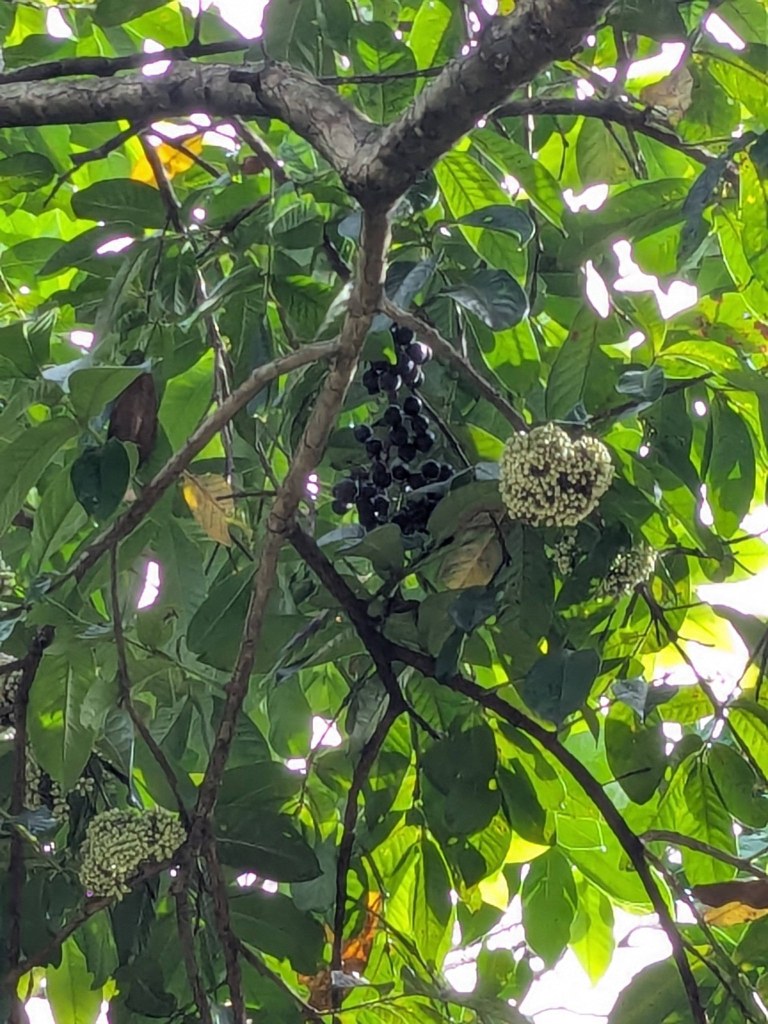
One time we looked up and saw a flowering and fruiting Lipote trees with several white eyes sunbirds munching on the flowers. Their buzzing sound was music to our ears, we stayed a few minutes just observing them. I also took a video (below).
Spending time in green spaces isn’t just pleasant; research shows it’s linked to improved mood, reduced stress, and better overall mental health. Walking outdoors combines movement and nature exposure, which is basically a two-for-one wellness deal. I find this to be true for our family’s case.
3. Walking Is Underrated (But Science Is On Its Side)
Walking may not look dramatic on social media compared to other sports but it is one of the most accessible and sustainable forms of exercise.
According to the Centers for Disease Control and Prevention (CDC), regular moderate-intensity physical activity such as brisk walking helps reduce the risk of heart disease, improves blood pressure, supports weight management, and enhances overall well-being. Even 20–30 minutes a day makes a difference.
Outdoor walking also supports mental health. Studies summarized by institutions like the American Psychological Association highlight how time in natural environments is associated with lower stress levels and improved mood.
In short, walking works. And it doesn’t require expensive gear, elite stamina, or heroic suffering.
4. Sunlight Matters, Especially for Kids
One big reason we prioritize weekend walks is sunlight exposure.
Our youngest son’s opthalmologist advised regular outdoor time to support eye health. Research has shown that increased time spent outdoors is associated with a lower risk of developing myopia (nearsightedness) in children. Natural light appears to play a protective role in healthy visual development.
Sun exposure also helps the body produce vitamin D, which is essential for bone health and immune function, according to the National Institutes of Health (NIH).
Of course, we’re mindful of sun safety: morning schedules, hydration, and common sense. The goal is healthy exposure, not sunburn.
5. We’re Not Alone in the Journey
One of the most motivating parts of walking in UP is seeing so many others doing the same thing.
Students. Parents. Seniors. Barkadas. Run clubs. Solo walkers with earphones. It helps to know that fitness doesn’t have to look extreme. It can look like community.
Sometimes I even run into friends I haven’t seen in a while. Nothing says “long time no see” like both of you being slightly out of breath but pretending you’re not.
6. Food Is Part of the Ecosystem
Let’s be honest: walking builds appetite.
UP Diliman campus is also known for diverse food options, from campus staples to small-scale sellers offering homemade snacks and drinks. If you like empanadas, the best ones in my opinion are the ones you can buy at the UP Hotel. If you like so many options to choose from, go to Gyud Food food park across the College of Fine Arts. If you have particularly huge appetite, there’s unlimited breakfast buffet in the park as well.
If you like burgers, go to Snack Shack beside the Balay Alumni. There are also small carinderias in Area 1 near the Philippine Postal Office. If you like pizza and coffee, there is Shakey’s and several coffee shops in UP Dilimall. If you like to eat Pinoy comfort food while looking at artworks, go to the Art Circle in the Balay Alumni. If you like bananacue, “turon”, and carioca, classic favorite Pinoy snacks, you will see individual ambulant sellers going around the campus where you can buy this from. Last December there were bazaars that opened up around the acad oval that offered seasonal food like “puto bumbong” which is my favorite and best paired with hot coffee or hot chocolate after a long run on a chilly morning.
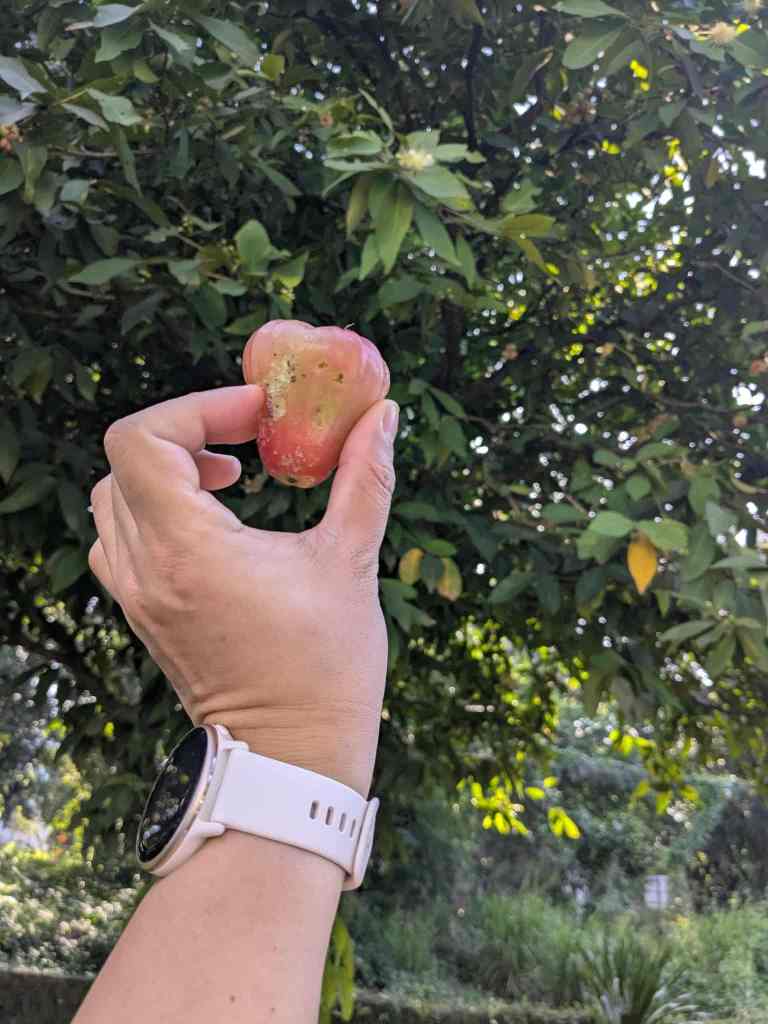
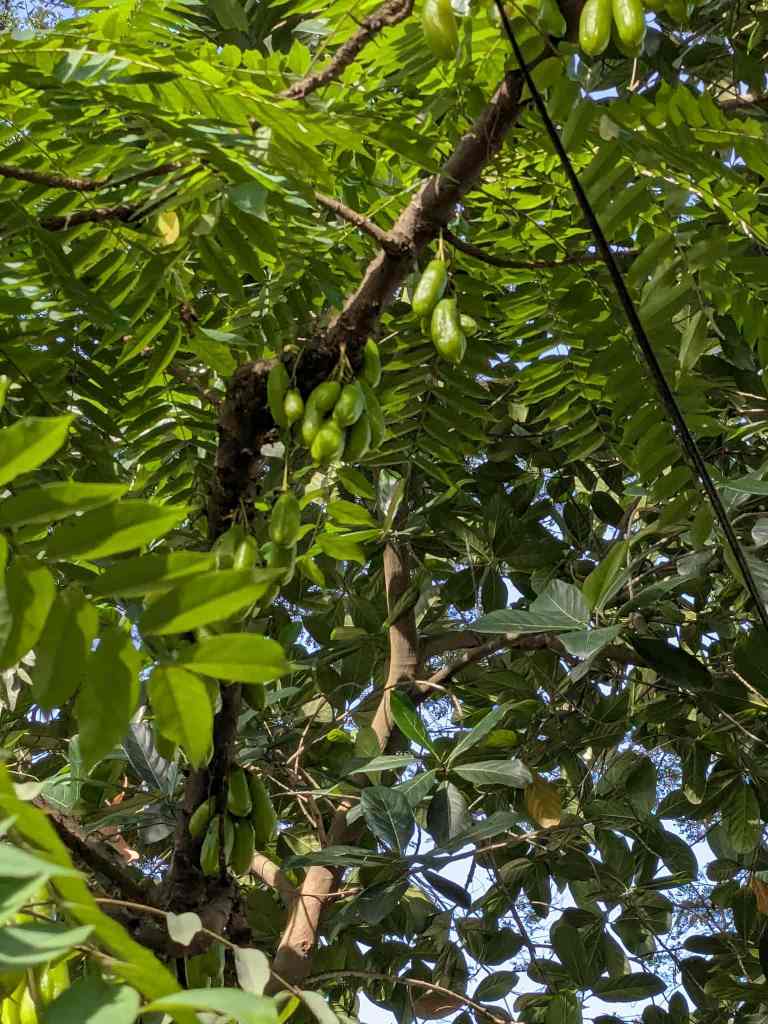
Actually, if the guards allow you to, some of the trees are fruiting and you can probably ask if you could pick some of the fruits. We saw one “kamias” tree that was so thick with fruits, we asked a guard if we could get some and we were allowed to pick. We brought the fruits home and cooked it along with tuna and coconut milk. Yum!


7. Memory Lane Is Built Into the Route
For my husband and me, UP is more than a jogging route. It’s where we met as students.
Every loop around the campus feels like flipping through an old yearbook—except now we’re older, wiser, and significantly more appreciative of comfortable footwear.
Walking there isn’t just exercise. It’s revisiting the place where our story began.
A Few Gentle Reminders for Fellow Walkers and Runners
We all share this space, and keeping it beautiful requires cooperation. If you’re heading to campus for a walk or run, here are some reminders:
- Dispose of your trash properly. Leave no wrappers, bottles, or cups behind.
- Respect wildlife. Do not throw rocks at birds, dogs, cats, or any other animals. (I had to scold a group of kids who threw rocks at trees just last week!)
- Never abandon pets in the campus. It is against the law and constitutes animal cruelty. Some of the dogs and cats you see around the campus were abandoned by their owners.
- Park only in designated parking areas.
- Keep music at a reasonable volume. Not everyone wants a soundtrack. Respect other people’s space by not playing loud music.
- Do not disturb birds or climb trees for photos. Do not feed them just to get a nice shot.
- Yield to pedestrians, seniors, and children.
- Stay hydrated.
- Stay safe while you are in the campus and while doing your exercise. There’s a small hospital in the campus in case of emergency.
Let’s keep the campus safe, clean, and welcoming for everyone.
Final Thoughts
Walking at UP Diliman has quietly reshaped our weekends. It supports my fitness goals without punishing my knees. It gives our family time together. It reconnects us with nature. It lets us support local vendors. And for my husband and me, it brings us back to where everything started.
Not every wellness routine needs to be intense. Sometimes, it just needs to be consistent.
And sometimes, it just needs a good pair of walking shoes and a wide, tree-lined road.
References:
American Psychological Association. (2020). Nurtured by nature: Psychological research is advancing our understanding of how time in nature can improve our mental health and sharpen our cognition. https://www.apa.org
Centers for Disease Control and Prevention. (2022). Benefits of physical activity. https://www.cdc.gov
National Institutes of Health, Office of Dietary Supplements. (2022). Vitamin D fact sheet for health professionals.https://ods.od.nih.gov
World Health Organization. (2020). Physical activity. https://www.who.int
Rose, K. A., et al. (2008). Outdoor activity reduces the prevalence of myopia in children. Ophthalmology, 115(8), 1279–1285. https://doi.org/10.1016/j.ophtha.2007.12.019
Discover more from The Fabulous Scientist
Subscribe to get the latest posts sent to your email.

 The Fabulous Scientist