Grass Padrique | The Fabulous Scientist
Just over two weeks ago, I proudly declared that I was decluttering our home, starting with the obvious space invaders—furniture, storage boxes, unused art materials and other large items that had quietly claimed permanent residency in our living space. Friends generously adopted many of them, and I felt victorious. Productive. Responsible. A true minimalist in the making.
And then, fueled by this dangerous surge of confidence, I decided on doing something reckless.
I decided to destash my fountain pens.
Yes. Those fountain pens. The ones that don’t take up much space, behave very well in drawers, and have been nothing but loyal companions through long workdays and late-night writing sessions. Clearly, the most logical next target.
But here’s the thing: no matter how painful (and slightly dramatic) this feels, I know it’s time to streamline my collection. Not every pen gets the love and ink it deserves anymore, and keeping them just to sit pretty in a case feels a little unfair—to them and to me.
So I’m letting them go. With a heavy heart, a slightly teary eye, and a very practical goal: that these pens will find new hands, new desks, new stories to write. A second life, in another home, with someone who will actually use them instead of just opening the pen case, sighing fondly, and closing it again.
This is not goodbye forever. It’s more of a “go forth and be loved… and please write smoothly” kind of farewell.
Decluttering, apparently, is not for the emotionally attached.
My Decision Matrix
At some point in this very emotional journey, I realized that simply staring at my pen case and whispering “But I love you all…” was not a sustainable decision-making strategy.
I needed structure.
I needed logic.
I needed… a system.
So, in true scientist-who-also-hoards-art-supplies fashion, I made myself a small, very personal decision matrix. Nothing fancy. No spreadsheets with conditional formatting (although I was tempted). Just a few questions that reflect how I actually use and love my pens in real life.
Each pen got points for the following:
Writing Comfort – Does my hand still feel okay after long writing sessions, or am I low-key negotiating with my wrist?
Visual Joy – Do I smile a little when I uncap it? Because that matters.
Emotional Story – Is there a memory, theme, or personal meaning attached to it?
Uniqueness in My Collection – Does it offer something others don’t, or is it accidentally competing with five of its siblings?
Actual Use – Do I reach for it without thinking, or do I only admire it from afar like a museum exhibit?
What became clear very quickly was that I have… a type.
Apparently, I am extremely weak to resin pens, chatoyance, and anything that sparkles, shifts, or looks like it was carved out of a tiny galaxy or a semi-precious stone.
This was not new information, but it was very humbling to see it confirmed in point form.
So the pens that consistently scored high were no surprise at all.
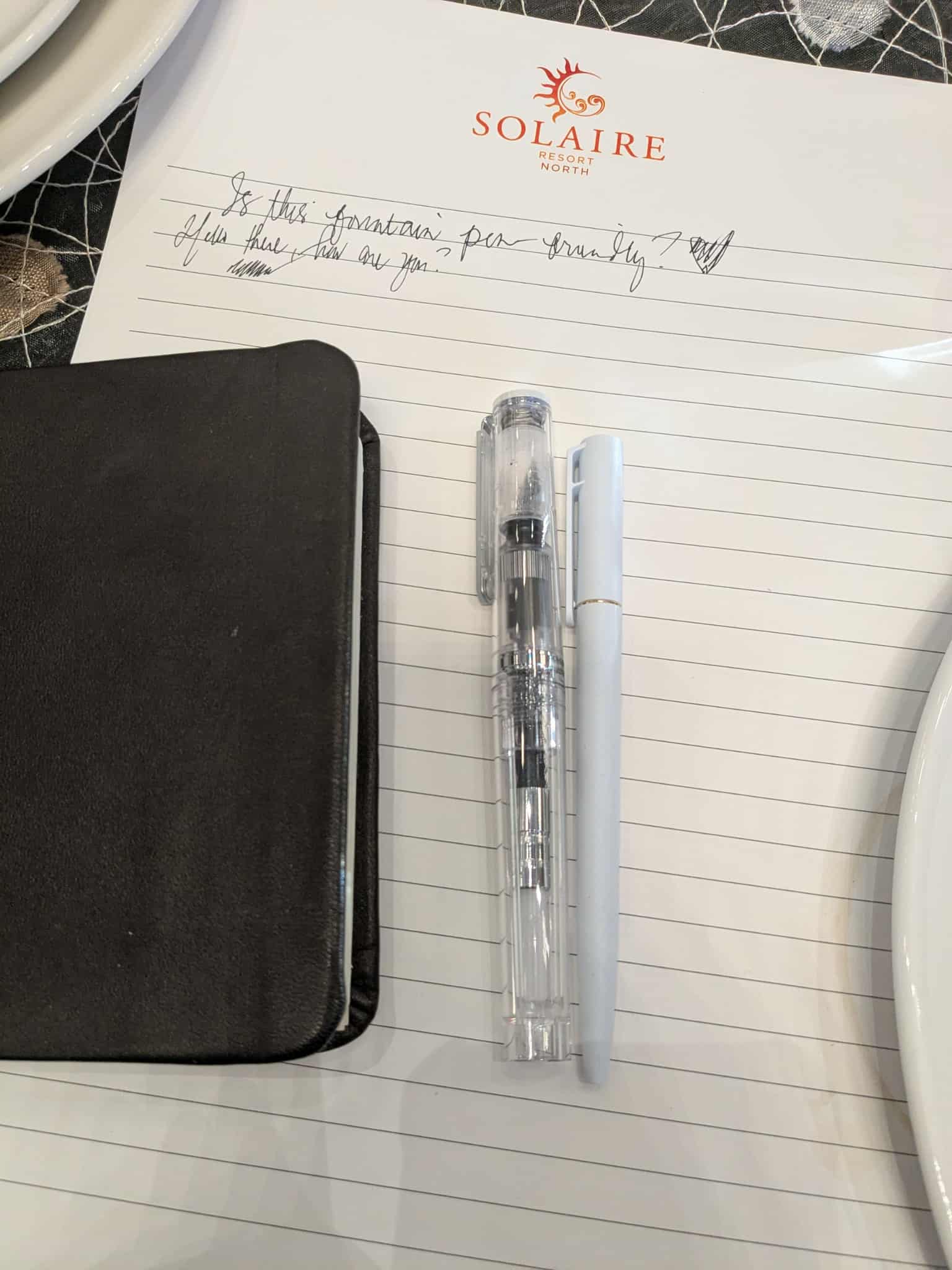
I’m definitely keeping my Pilot Kakuno Madoromi, because it’s gentle, friendly, and always a pleasure to use—like the pen equivalent of a comforting cup of tea. Also, my kids love borrowing them and like the funny faces on the nib.
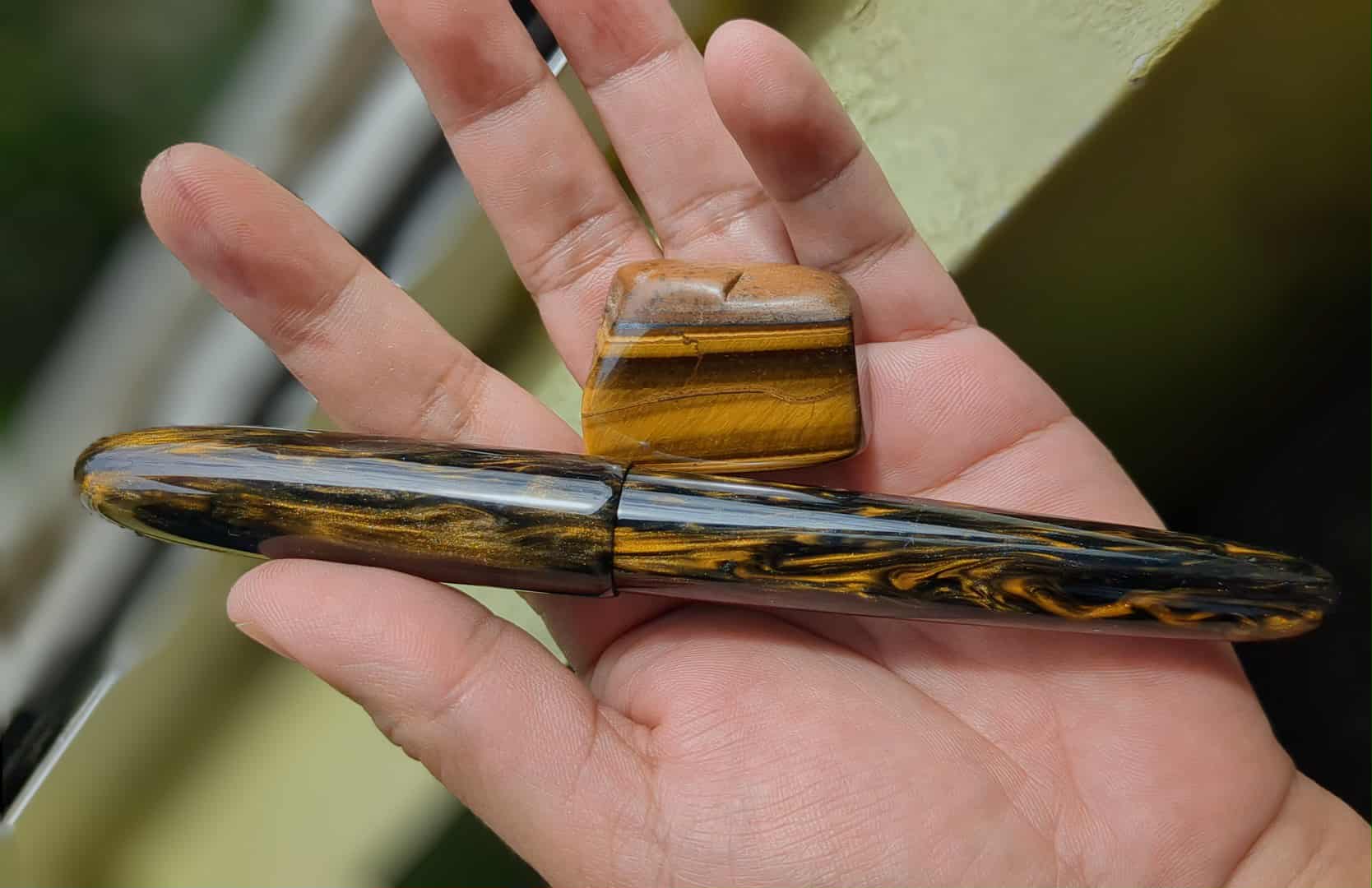
My Asvine C80, with its tiger’s-eye-like chatoyant resin and comfortable cigar shape, checks both the comfort and visual joy boxes every single time. It is geology-coded, sparkle-approved, and office-friendly. A rare and beautiful combination.
My Kasama Una Ultem stays not just because it’s the most expensive pen I own (although let’s be honest, that did make me hesitate dramatically), but because it represents thoughtful local craftsmanship and feels like an anchor in my collection—both literally and emotionally.
My Twsbi Kai because, again, chatoyant, and also because although the copper tone nib is size EF, it writes with such delightful feedback similar to my Sailor Tuzus. It’s also the only EF nib in my collection.
Then there’s my little group of pens that stay purely because they make my heart happy, and honestly, that is a perfectly valid scientific criterion.
My Kaweco Sport collection, small but full of personality. Except for the mint green one, the rest exhibit pearly iridescence (just another kind of sparkle, really).
My white Hongdian N8 resin pen with the feather design because it has that pearly white sparkle and the feathers of an angel (okay, now I’m being overly dramatic).
My Sheaffer BB-8 design pen, which I keep simply because I enjoyed watching Star Wars and sometimes joy really can be that simple (and BB-8 is the cutest thing!).
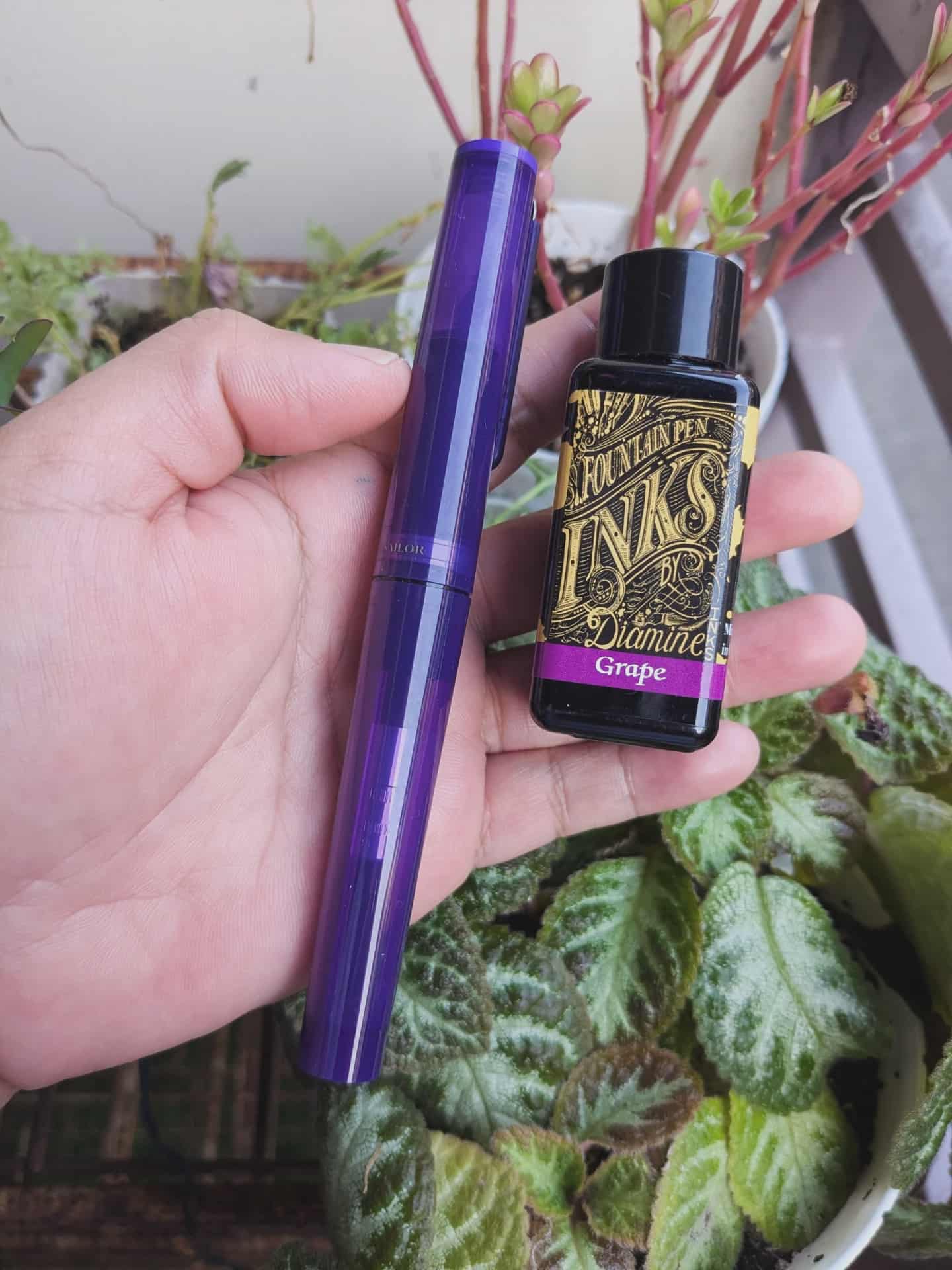
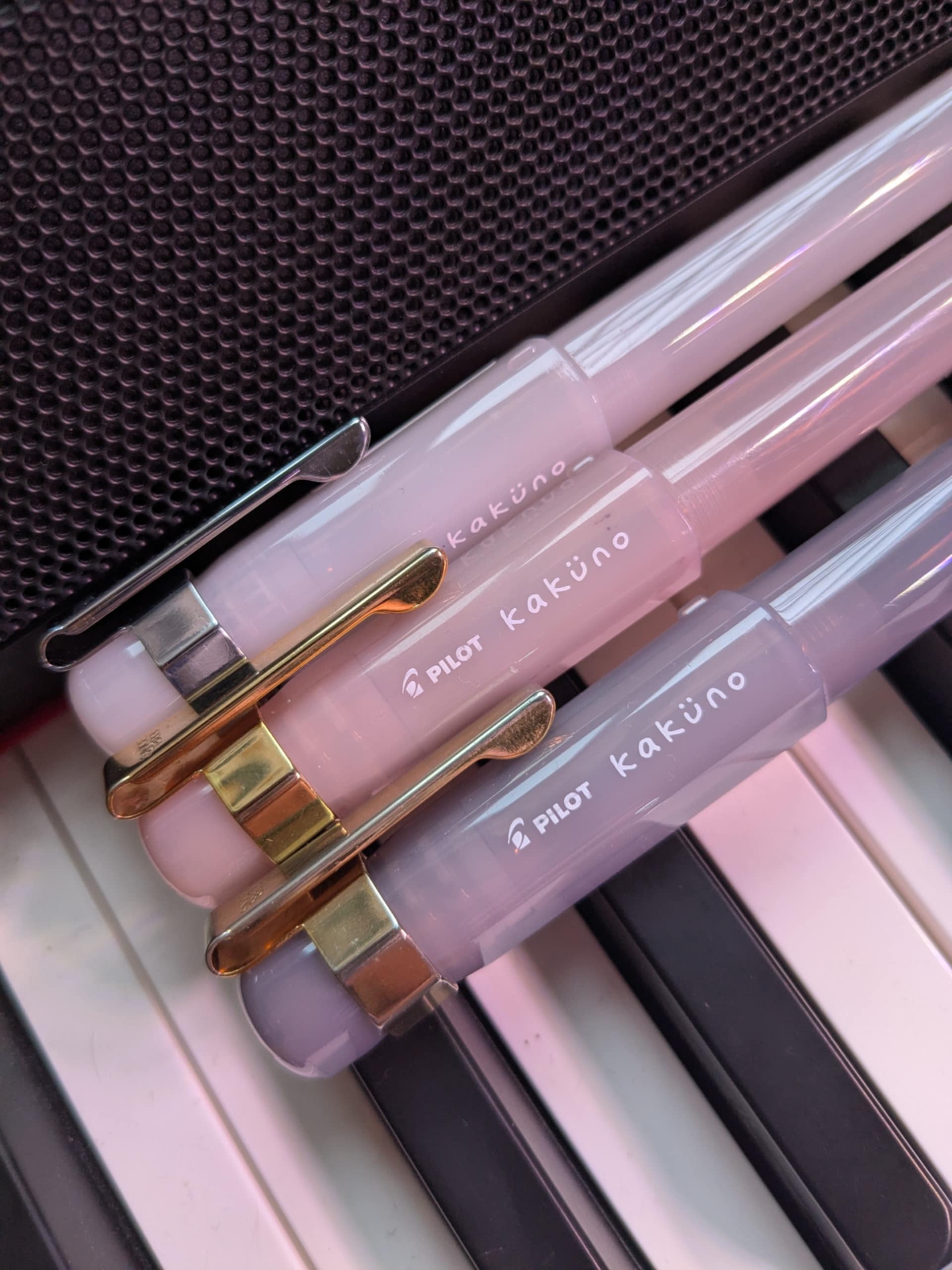
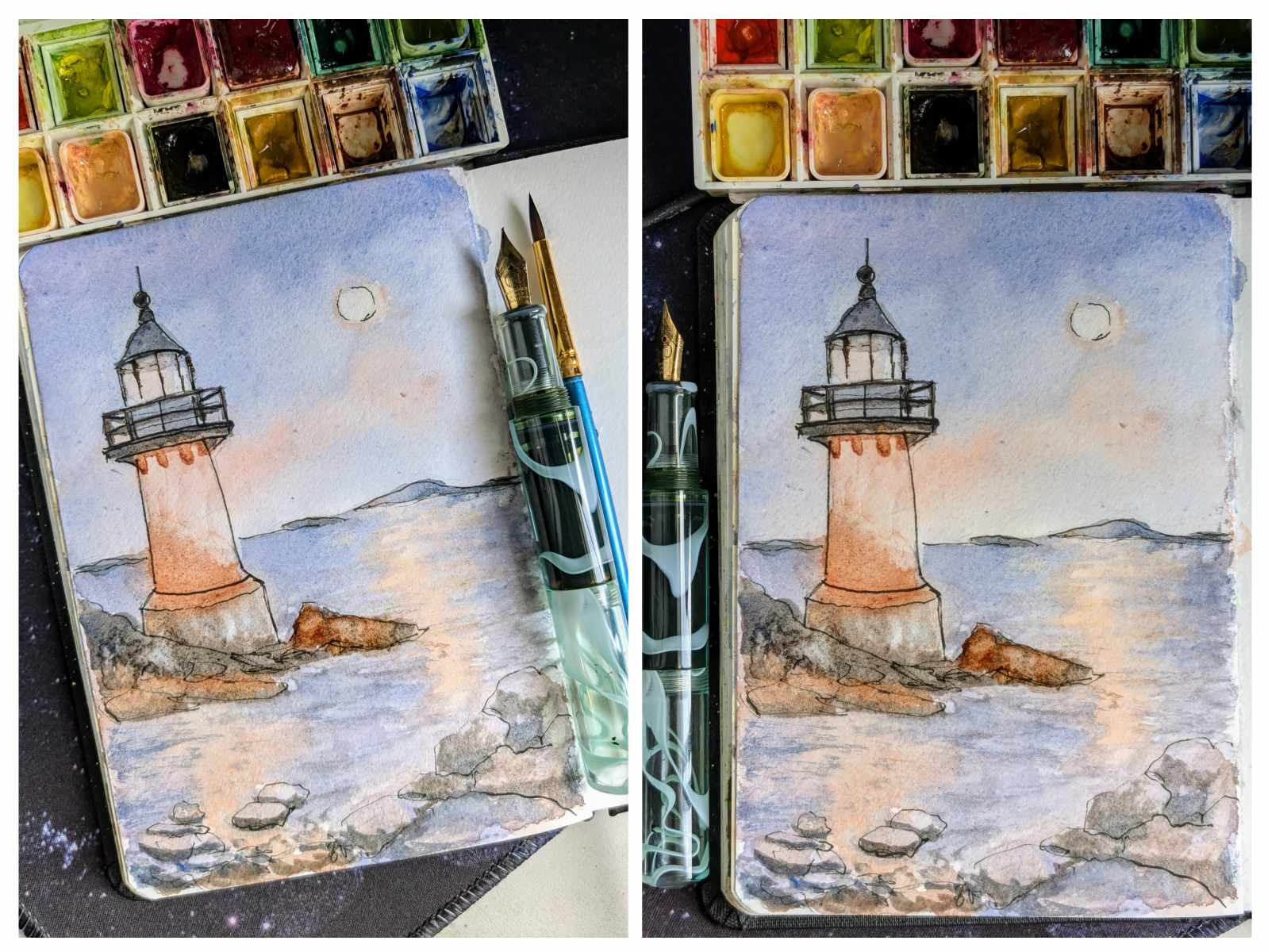

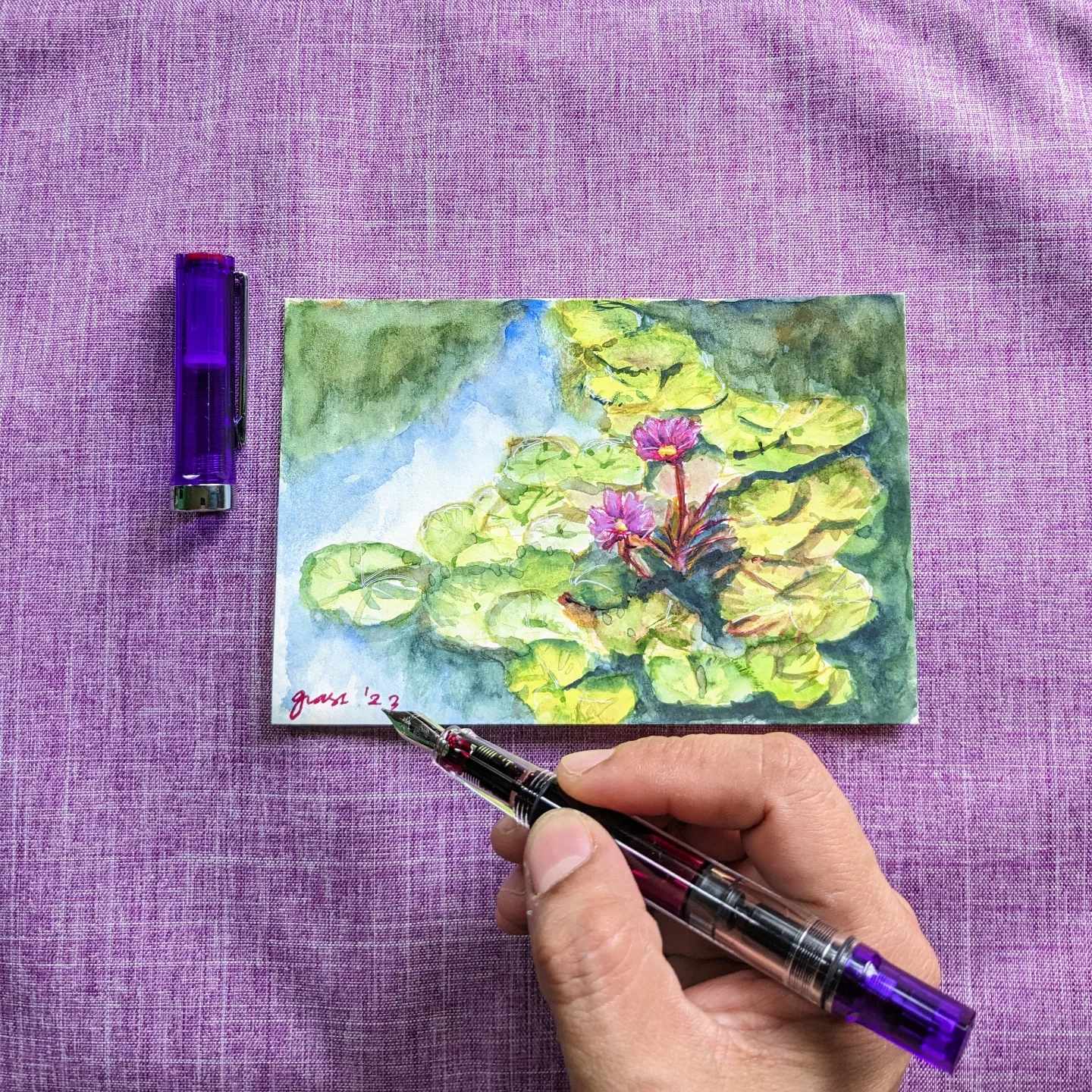


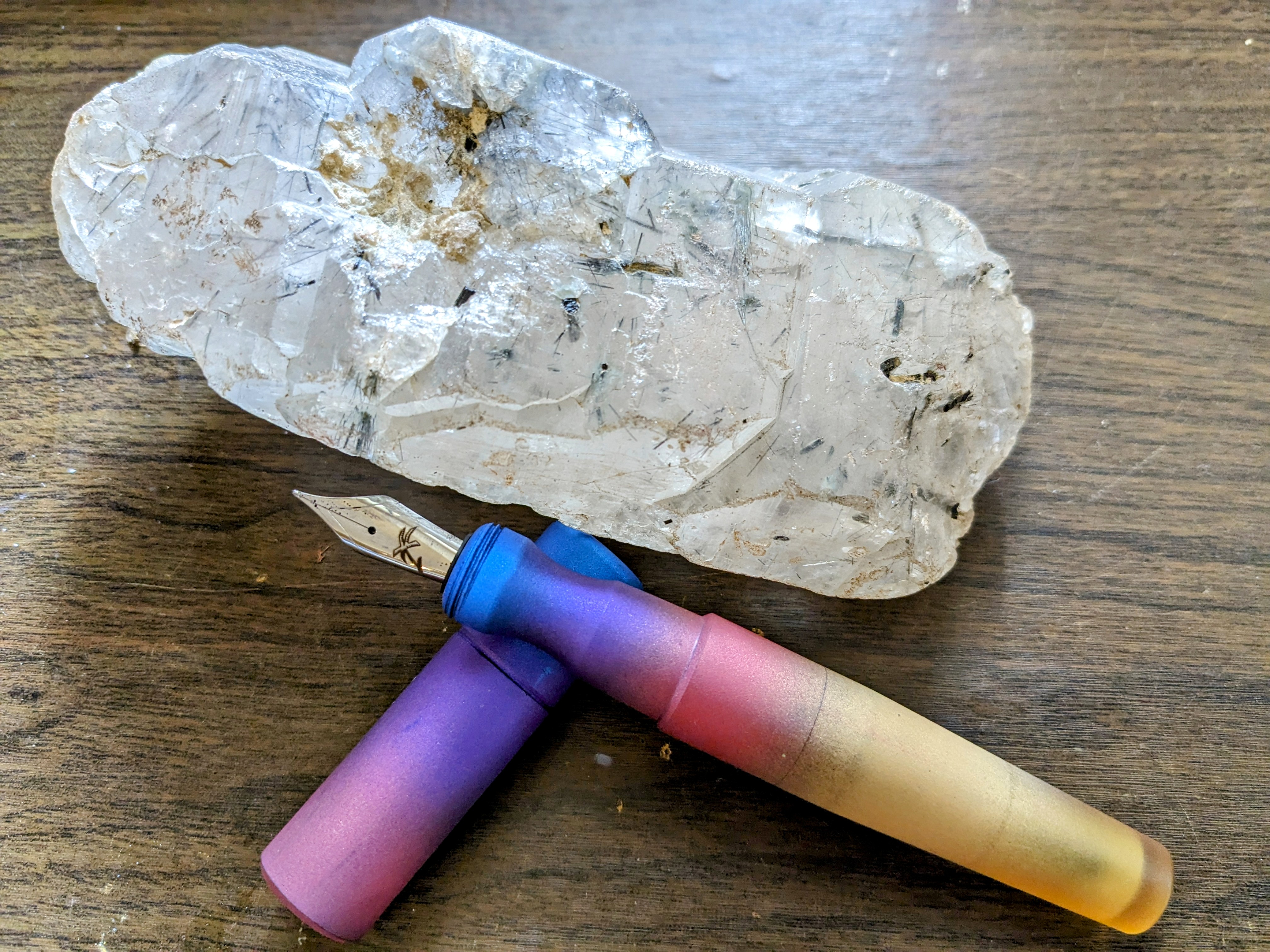
My adjustable Sailor Tuzu pens – simply because of the clever engineering and the nibs that glide like soft pencil on smooth paper.
My Twsbi Ecos because they have the smoothest nibs and because they can handle my shimmer inks.
And my resin Majohn Wancai pens, because their designs are just genuinely beautiful and unlike anything else I own.
Looking at this list, the pattern is… aggressively obvious.
I am drawn to pens that feel good in the hand, nibs that write smoothly or with pencil-like feedback, look like tiny moving galaxies or gemstones, and carry some form of story—whether personal, cultural, or purely emotional.
And you know what?
That’s okay.
Intentional collecting, I’m learning, doesn’t mean collecting only “serious” pens or only expensive ones. It means knowing what consistently resonates with you and letting that guide your choices, instead of chasing every new release or trend that briefly whispers, “You need me.”
Once I saw my preferences clearly, it became easier to accept that some perfectly good pens in my collection simply don’t fit this pattern anymore. They did their job—they taught me what I like, what I don’t, and what truly excites me when I sit down to write.
And maybe that, too, is part of collecting with intention.
Letting Go, With Gratitude
Once I became clearer about which pens truly belong in my everyday writing life, the next step felt less heavy than I expected.
Because letting go doesn’t have to mean regret.
Each of the pens I’m planning to destash taught me something—about nib preferences, grip comfort, filling systems, and even about my own aesthetic. Some were my entry points into piston fillers. Others helped me discover that I prefer slightly girthier pens. Some simply showed me that yes, I really do love sparkly resin more than matte metal, and no, I will not be apologizing for that.
I’m grateful for all of them.
And more than that, I like the idea that these pens don’t have to end their story in my drawer.
One of the things I love about the fountain pen community is how objects move—from one hand to another, from one writing desk to the next. A pen that no longer fits my routine might become someone else’s daily writer, study companion, or first “serious” fountain pen.
Thinking about it that way makes destashing feel less like parting, and more like passing the pen along.
From a sustainability perspective, this also feels right. Well-made tools are meant to last, and the most respectful thing we can do is keep them in circulation, where they can continue to be used, enjoyed, and loved.
So as I streamline my collection, I’m not trying to erase what these pens meant to me. I’m simply allowing their story to continue—just in another hand.
And in a hobby built around writing, stories, and personal expression, that feels like a very fitting ending.
Or perhaps… a new beginning.
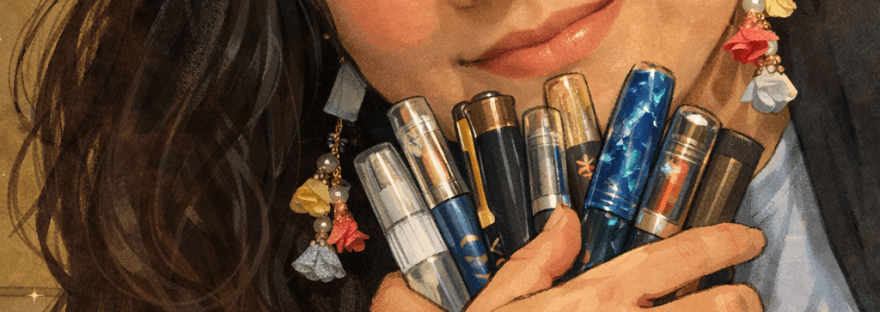
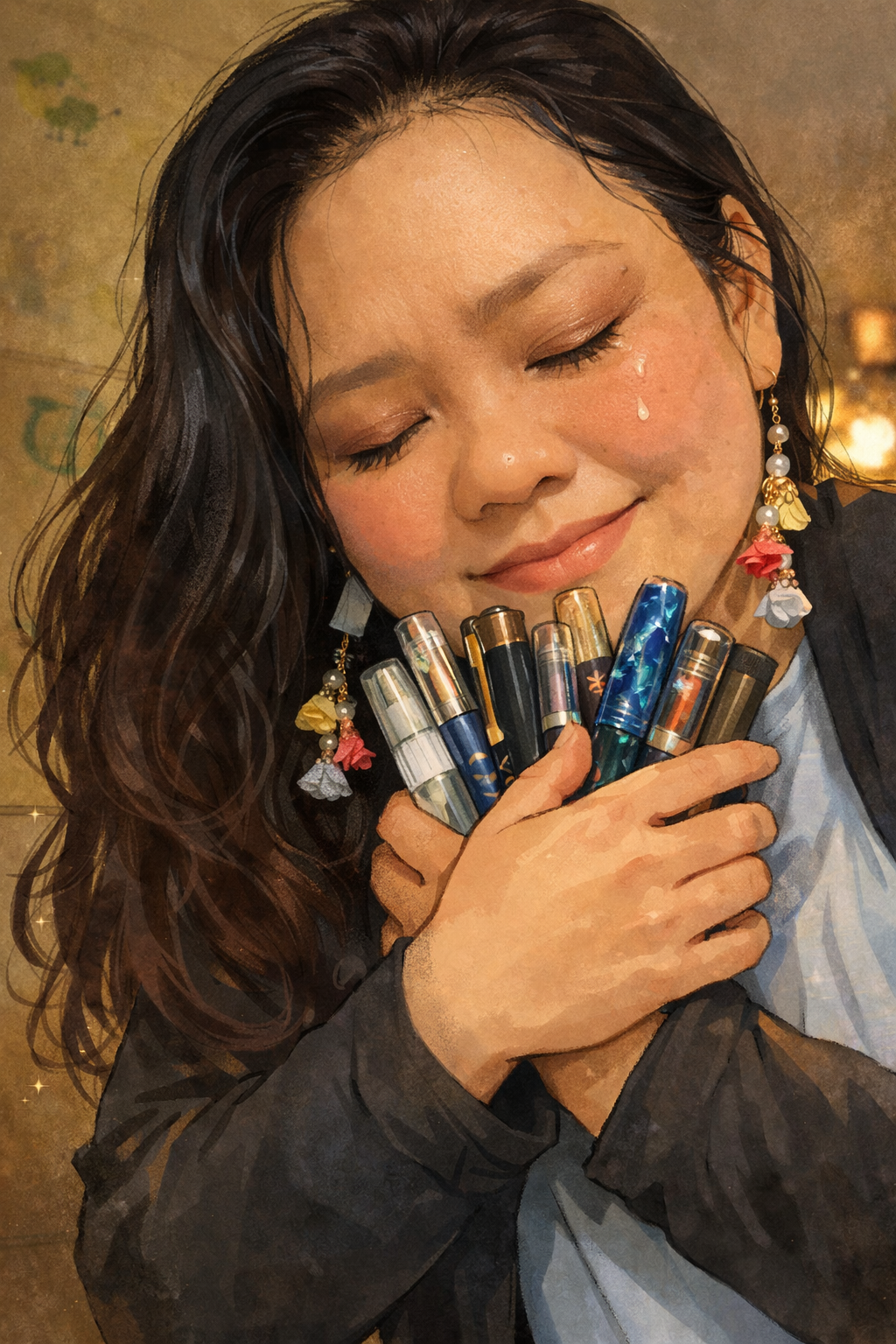
Here’s an image of me hugging my fountain pens for the last time which I generated using ChatGPT:
Now comes the truly difficult question: should I write a separate post about the pens I’m letting go?
Like… a formal goodbye letter. With feelings. Possibly background music.
I would love to say yes, but I’m not sure I’m emotionally prepared to line them all up and say, “It’s not you, it’s my storage space.” Some wounds are still fresh.
Also, for the record, I do have a respectable list of pens I’m keeping. A carefully curated, intentional, emotionally justified list.
Unfortunately… the destash list is longer.
Much longer.
Suspiciously longer.
So if you see me quietly hugging my pen case and whispering my thanks to perfectly good nibs, please understand that I am simply processing.
In the meantime, I will be accepting donations in the form of emotional support, kind words, and—most importantly—inks.
Send inks. Please. 😭🖋️💕
Discover more from The Fabulous Scientist
Subscribe to get the latest posts sent to your email.

 The Fabulous Scientist