

Grass Padrique | The Fabulous Scientist
I first discovered bellydancing back in 2006, during my days as a geologist in Mindanao. I had gained weight and was searching for a fitness routine that felt less like a chore and more like something I could genuinely enjoy. That’s when I walked into a local gym and met Malou, my very first belly-dance instructor. She was everything I admired in a dancer: graceful, confident, and effortlessly expressive. A true professional.
I fell in love with bellydancing almost immediately. There was something empowering about the movements – the sharp isolations, the fluid transitions, the sensuality that felt strong, not showy. Beyond the fitness benefits, it improved my posture and gave me a deeper awareness of my body. It made me feel feminine, powerful, and aligned. Best of all, I really love wearing the colorful costumes particularly the belt that has beads and bells that sway along with my hip movement.
A Little History and Culture
Bellydance (also called raqs sharqi, meaning “eastern dance” in Arabic) has deep roots in the Middle East and North Africa. Wikipedia+1 Historically, folk dancers and street performers—including the Ghawazi—popularized many of the undulating movements we now associate with modern bellydance. Wikipedia
In the Ottoman Empire, for example, dance traditions included the köçek (male dancers in feminine costume) and çengi(female dancers), who performed at social gatherings. Wikipedia Over time, especially during the early 20th century, performers in Egypt and other Arab countries refined the style, combining traditional movements with theatrical costume and musical influences. Wikipedia
This is not just a “sensual dance” — it’s a cultural practice with centuries of social, musical, and artistic history behind it.
My Dance Journey (Again)
But as life often goes, things changed. When I gave birth to my eldest son, I naturally stepped away from dancing. Motherhood took center stage, and bellydancing became something I’d return to only in rare moments, whenever a class happened to be offered in the gyms I enrolled in. Each time I danced, even briefly, I was reminded of how good it felt, but I never quite found the consistency I once had.
This year, however, was different. Something inside me—maybe my feet, maybe my spirit—started itching to move again. So I joined our company’s Dance Club. We explored different dance genres and routines, each one fun in its own way, but I noticed something: no matter how many styles I tried, I always gravitated back to bellydancing. It felt like coming home.
Last week, the club was invited to perform at our company town hall. It was our chance to introduce the Dance Club to everyone and, hopefully, encourage more colleagues to join. Of all the choreographies we practiced, we chose to present a bellydance number.
And it was a hit.
The audience loved it—cheers, applause, big smiles everywhere. For me, it wasn’t just a performance. It was a moment of rediscovery, a reminder of the version of myself who once danced confidently in a Mindanao gym under the guidance of a graceful instructor named Malou. It felt like reclaiming a part of me I had set aside for years.
Why Bellydancing Is Also Good for Health
Dance, in general, is more than just artistic expression — it has well-documented health benefits:
- According to research, dance can significantly improve physical health by providing aerobic exercise, increasing heart rate, building muscle strength, improving flexibility, and helping with weight management. Frontiers
- Structured dance may also outperform some other types of physical activity when it comes to psychological wellbeing and cognitive outcomes. A study from the University of Sydney suggests that dance interventions improve emotional wellbeing, memory, motivation, and social cognition. The University of Sydney
- In older adults with mild cognitive impairment, dance-based aerobic training has been shown to boost mental health and quality of life. MDPI
- More broadly, a recent systematic review also reports that dance reduces social physique anxiety (how worried people are about how they look) and improves physical self-esteem — including in people who dance belly style. Frontiers
What It Means to Me Now
Now, I’m excited to keep dancing — not just for fitness or performance, but because it reconnects me to something that is deeply me. Bellydancing isn’t just a “workout” for me. It’s a living tradition, an art form rooted in history, and a way to feel strong, graceful, and connected — to my body, to music, and to my own story.

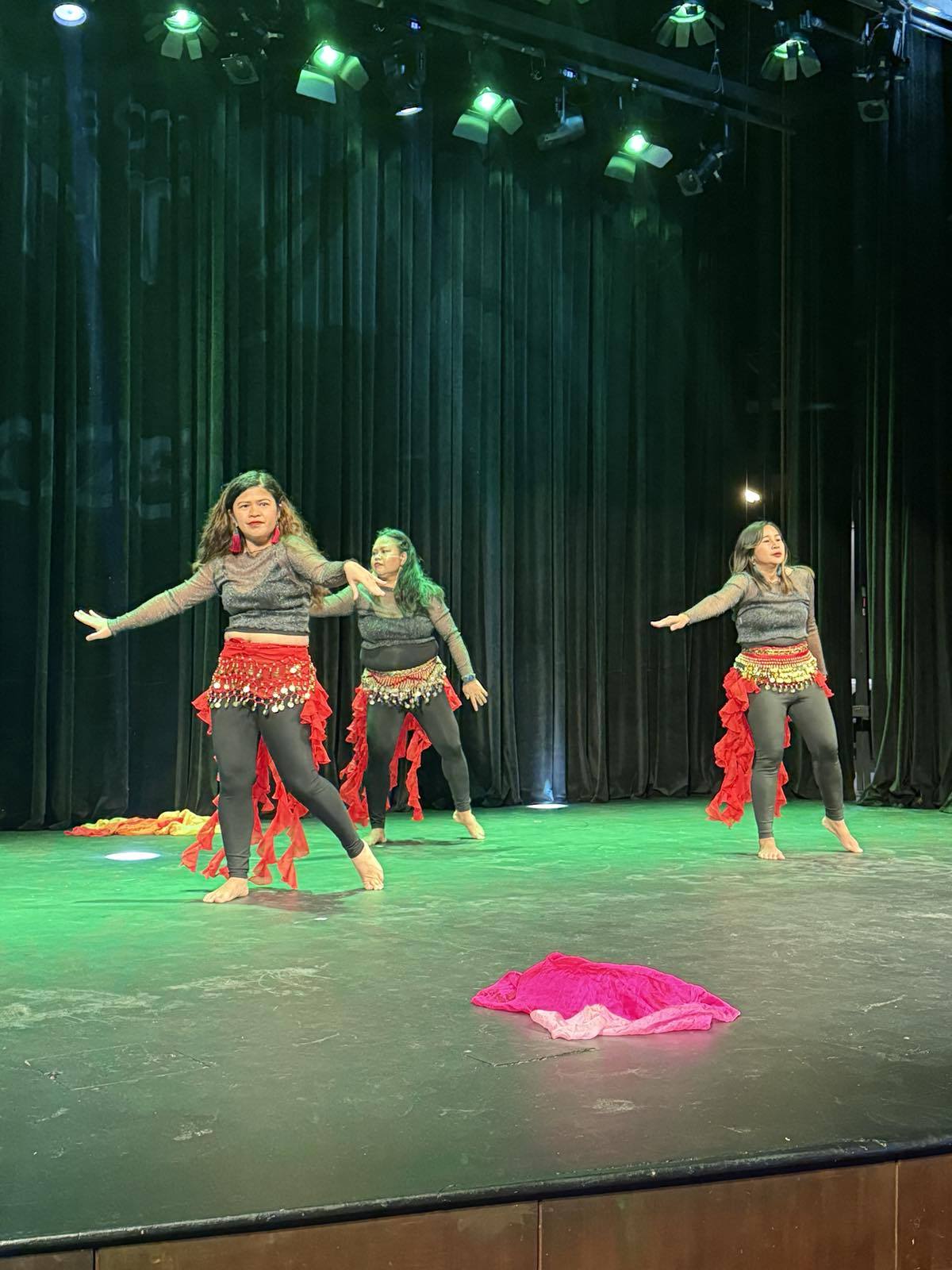
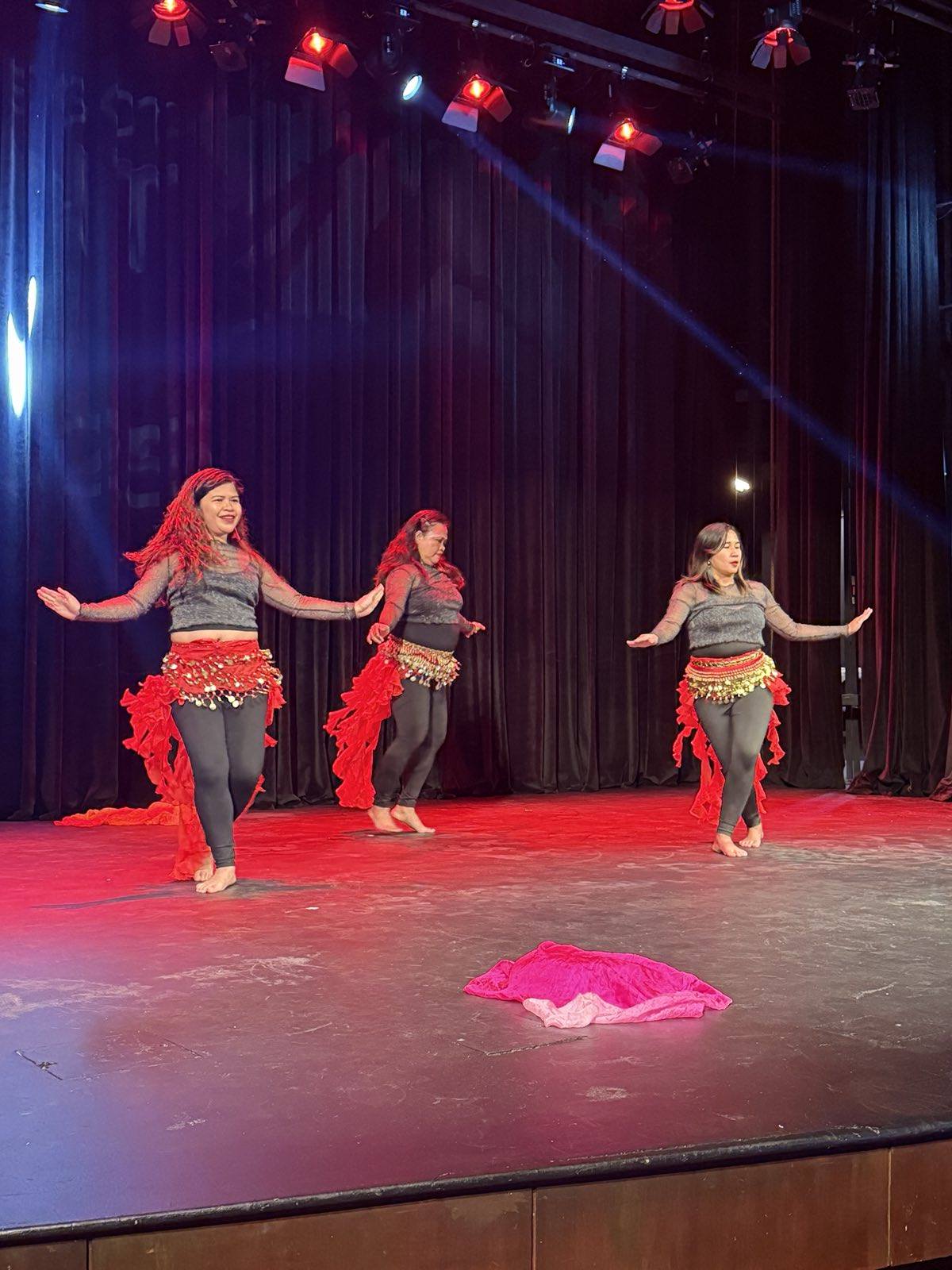
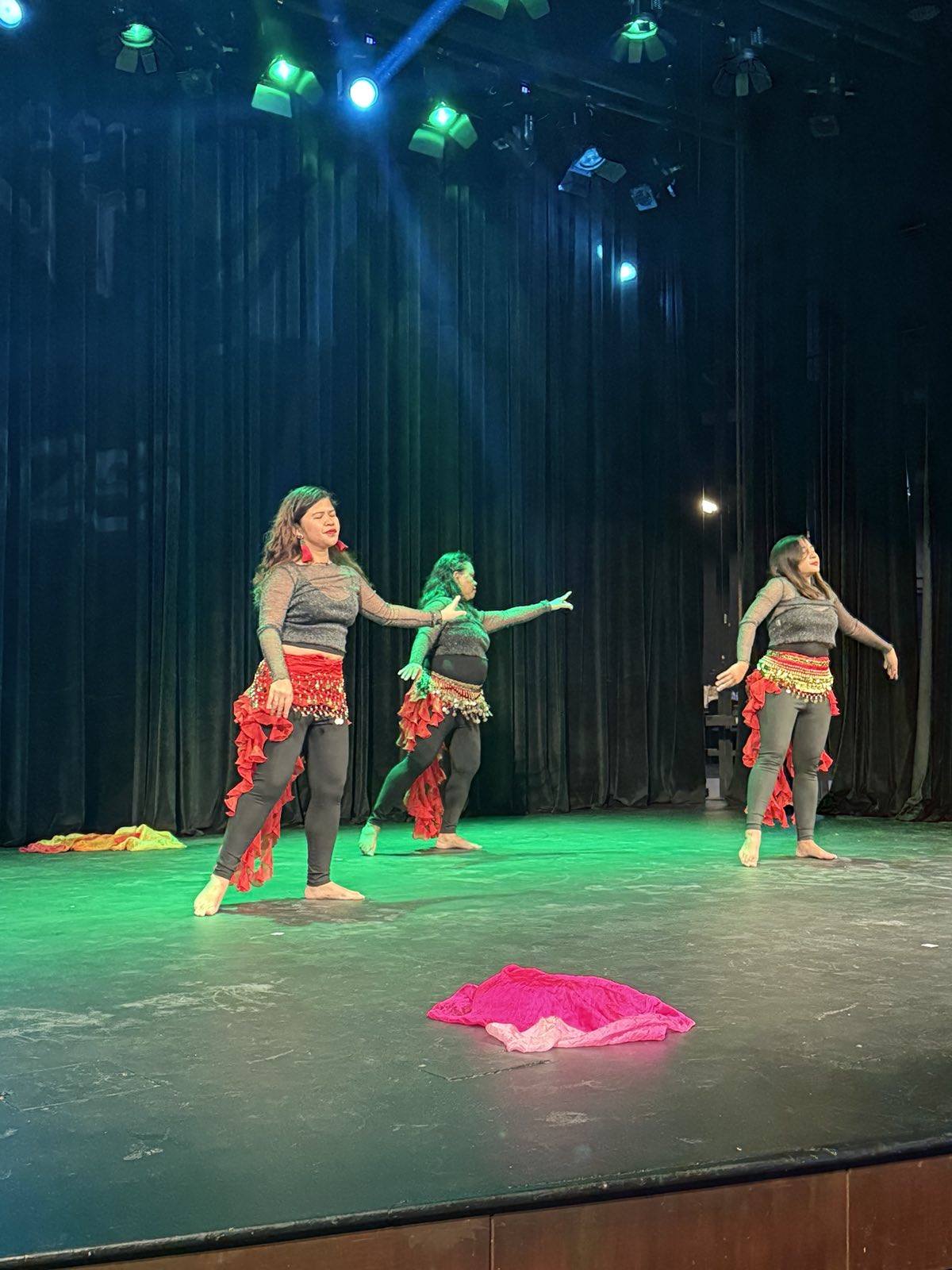
How about you? What’s your favorite dance routine? 🙂
xoxo,
Grass
Discover more from The Fabulous Scientist
Subscribe to get the latest posts sent to your email.

 The Fabulous Scientist