
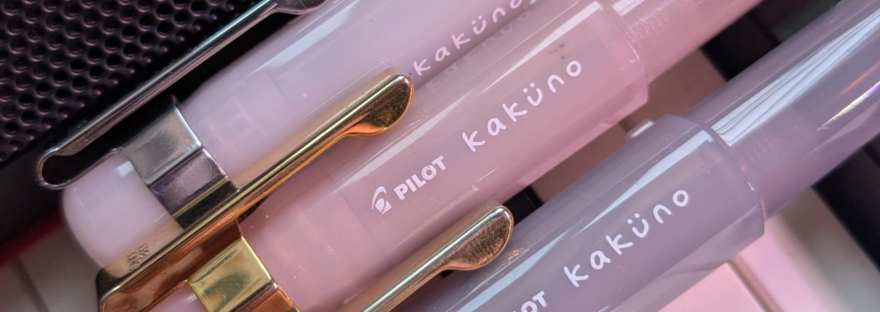
The name Kakuno (カクノ) is derived from the Japanese word kaku (書く), meaning “to write,” and the suffix -no (~の), indicating possession. Thus, Kakuno can mean “for writing” or “the writer’s.” This name suits these cheerful pens that make writing enjoyable, even for beginners. Let me explain.
One of the things I enjoy about my Kakuno pens is how smoothly the nib glides on fountain pen-friendly paper. It has a nice balance of resistance without feeling scratchy, and the ink flow is consistent—no skipping or blobs, just clean lines that improve my handwriting and allow me to draw straight lines! I often use my Kakuno with F nibs for annotating journal papers because the thin Pilot F nibs prevent bleeding on ordinary copy paper. For annotating, I usually use bright inks like the J. Herbin Corail Des Tropiques, which is a coral pink.
Aside from writing, I’ve used my Kakuno pens for creating line-and-wash watercolor sketches as I’ve showcased in the blog below:
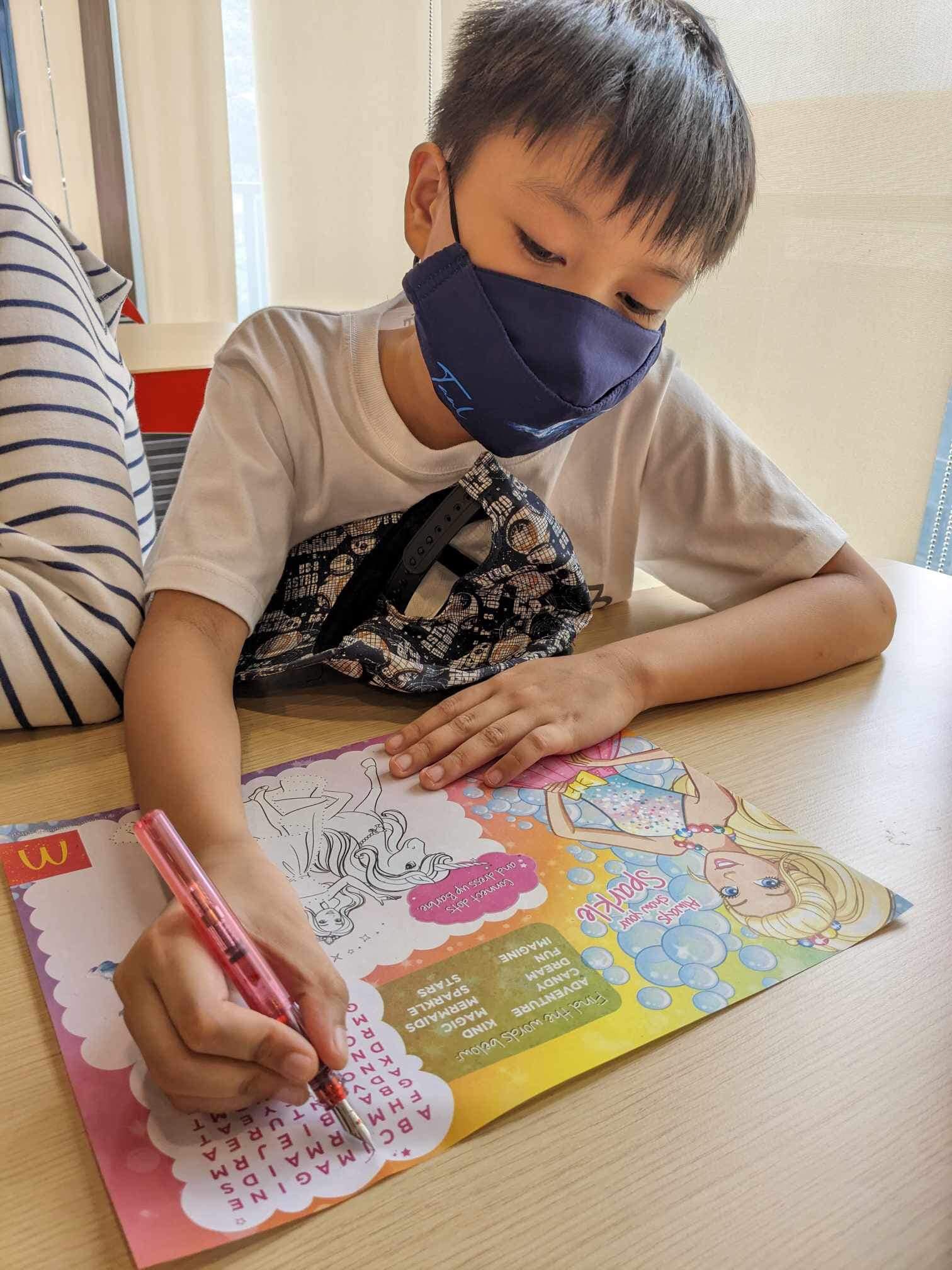

Kakuno pens are available in fun colors like soft pastels, bright hues, and simple monochrome options. They look good and are fun to write with. My Kakuno collection includes the transparent and Madoromi editions.
The Kakuno Madoromi fountain pens are a special edition from Pilot’s Kakuno line, featuring soft, calming colors. The Japanese word “madoromi” (まどろみ) means “dozing” or “a light slumber,” capturing a peaceful state between wakefulness and sleep. I have three of this edition in muted pink, brown, and ivory. Aside from the muted colors, the Madoromi edition pens come in gold-tone steel nibs which I find to glide like butter on paper compared to the steel-toned nibs that come in the transparent ones. They’re a beautiful option for anyone who wants a pen that not only writes smoothly but also visually expresses a soft, serene mood—perfect for journaling, sketching, or reflective writing sessions.
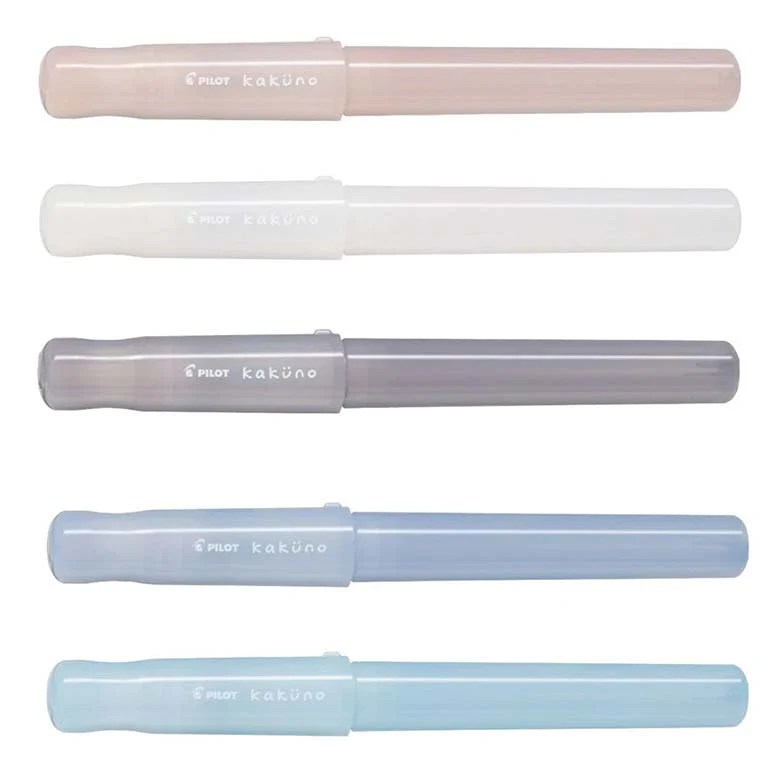
A fun feature of the Kakuno pens is the smiling face on the nib—it smiles at you! It’s not just cute; it helps new users see which side of the nib should face up. This small detail shows how well-made the Kakuno is. It’s primarily for this reason also that my youngest son likes to write with Kakuno fountain pens. He particularly liked the winky face nib of the pink one (in the photo above).
Each pen comes with a cartridge, but you don’t need to throw it away when it’s empty. I refill mine with a glass dropper and bottled ink in my favorite colors. It’s cost-effective, environmentally friendly, and brings a calming routine to my writing. If you prefer not to refill cartridges, Kakuno pens can take Pilot Con-40 and Con-70 converters, with the Con-70 being ideal for its larger ink capacity. I find the Con-40 doesn’t fill to the fullest and rather quite small thus, I prefer eye-dropping the cartridge over it.
Other features of Kakuno fountain pens that make them great for beginners include a hexagonal cap and body design that stops them from rolling away, as well as a triangular grip that helps beginners hold the pen correctly. Another great thing I recently found out was that the body of Kakuno Madoromi is made of 85% recycled plastic, according to Jetpens. Isn’t that great?!
If you’re looking for an affordable fountain pen for beginners and kids with a great build and nib, I recommend the Kakuno over the Explorer (or Lightive) and Metropolitan which are at least twice as expensive. Drew from Goulet Pens provides a great breakdown of these aforementioned Pilot fountain pen models in one of my favorite videos on their YouTube channel. 🙂
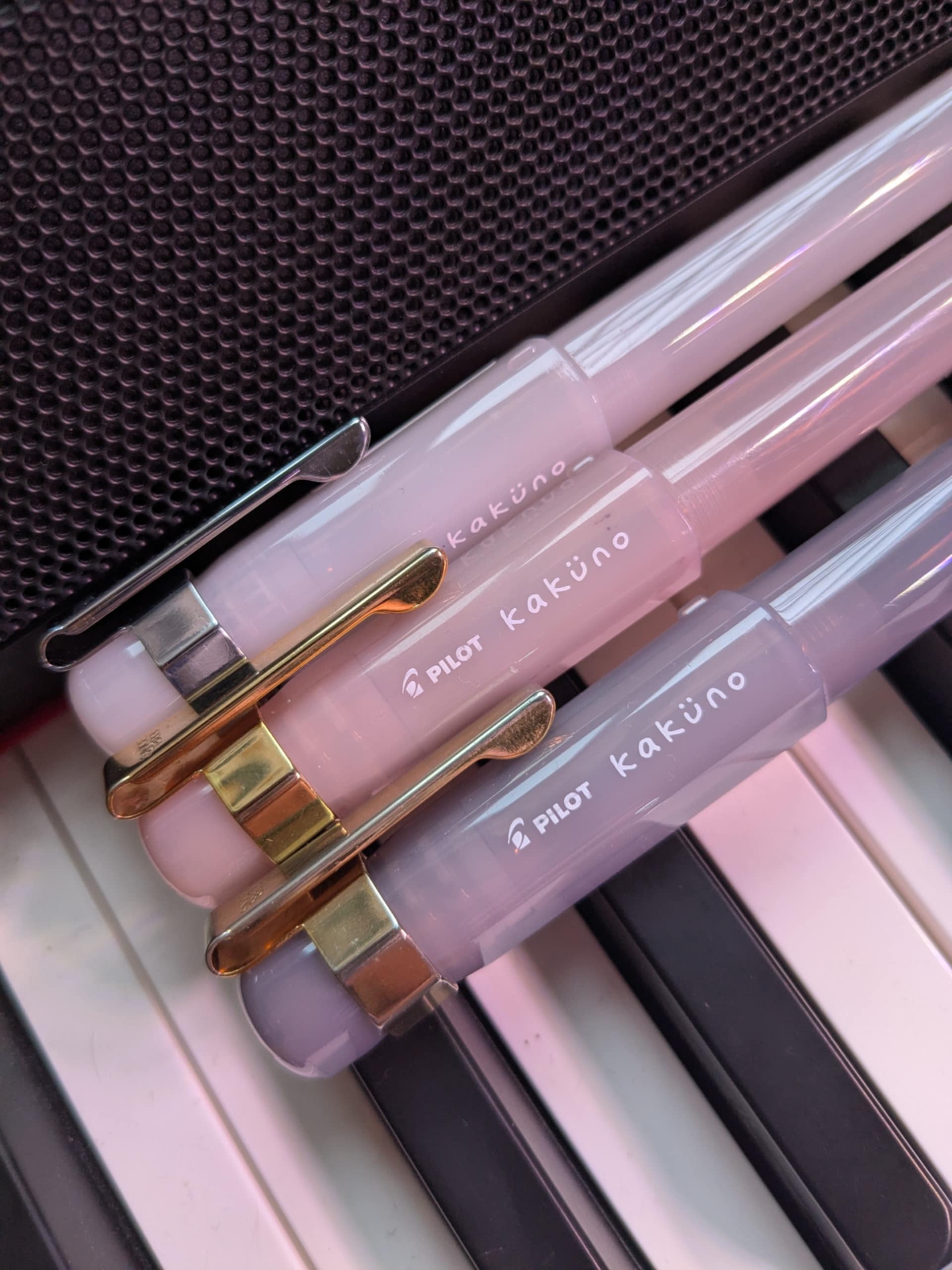
If you’ve read this far, here’s another bonus idea for you! Did you know that Kaweco clips can fit the Kakuno? Adding the clips can make them easier to bring around with my notebook. Here is a photo of my Madoromi pens with Kaweco clips:
Thank you for reading!
xoxo,
Grass
Discover more from The Fabulous Scientist
Subscribe to get the latest posts sent to your email.

 The Fabulous Scientist