
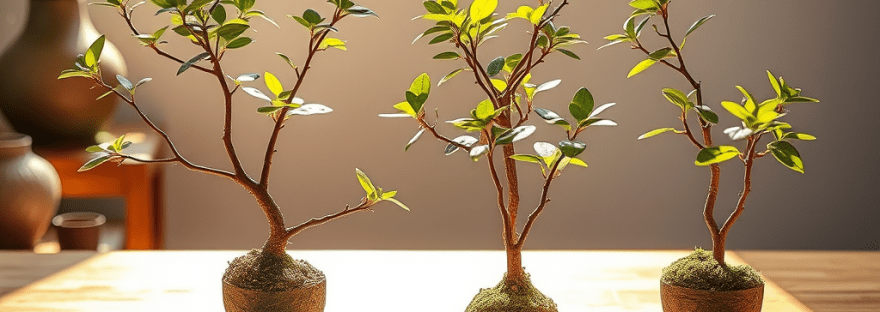
A friend invited me on a road trip to Pagbilao, Quezon, to buy Philippine native trees—part of a project to green our institute’s grounds and introduce students to local tree species. I immediately said yes, not just for the cause but also because I wanted to browse for indoor plants and, if I was lucky, find some moss for our terrariums.
At first, I had a few concerns about whether it was legal to buy and sell native trees, but a quick search reassured me—it’s allowed as long as the sellers follow regulations on cultivation and harvesting.
We left the university at dawn, piling into a van, the sky still dark and heavy with drizzle. By the time we hit Batangas, the rain had intensified, drumming against the windows all the way to Quezon. A road trip in the rain feels different—quieter, cozier, like the world slows down just a little.
Somewhere along the highway, we stopped at Jollibee for a quick breakfast, warming up with coffee and hot meals before heading back on the road. Then came a detour—The House of Ugu Ceramics in Tiaong, Quezon. A perfect little side trip. After all, if we were already hunting for plants and trees, why not throw in a bit of pottery?
The House of Ugu Ceramics serves as both a pottery studio and a gallery, showcasing the works of renowned Filipino potter Augusto “Ugu” Bigyan. Ugu Bigyan is celebrated for his handcrafted ceramics that blend traditional Filipino aesthetics with contemporary design. His pottery garden in Tiaong has become a notable destination for art enthusiasts and visitors interested in Filipino craftsmanship. Here’s a reel I made about our short stop at Ugu.
We finally arrived in Pagbilao just in time for lunch, meaning it took us nearly six hours to get there from the institute. A long journey, but absolutely worth it—we managed to bring home nearly 100 seedlings of native trees, including a few freebies generously thrown in by the seller.
Unfortunately, the heavy rains made it impossible for them to source moss for me. But as a great consolation, I got to choose four native tree seedlings that, according to the seller, can be grown indoors and even trained as bonsai once they reach a certain height. Since my husband has been thinking about starting bonsai projects, this felt like the perfect way to begin.
Not wanting to go in blind, I asked for indoor growing tips, and the seller was more than happy to share some advice. Below is the list of the trees I picked that day, along with reference photos of their flowers and fruits from the internet—so I know what to look forward to as they grow. 🌱✨
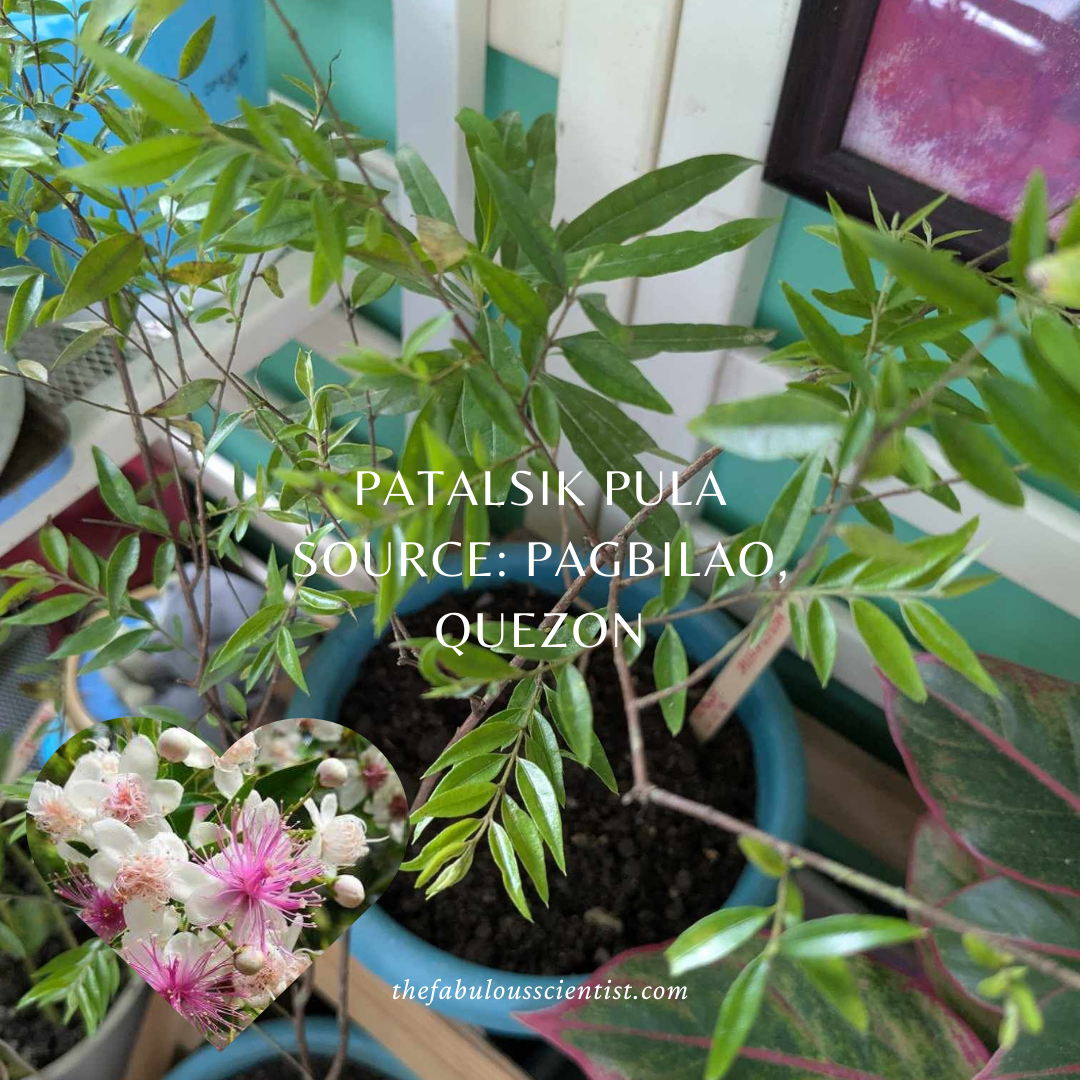
1. Patalsik Pula (Diospyros blancoi):
Commonly known as Patalsik Pula, this tree is recognized for its ornamental value because of its delicate pink flowers. According to the seller, it’s a slower grower and would take years before it grows to a height of 3 meters. He also said that it prefers low light conditions that’s why it grows in the forest and thus, possible to be grown indoors as well.
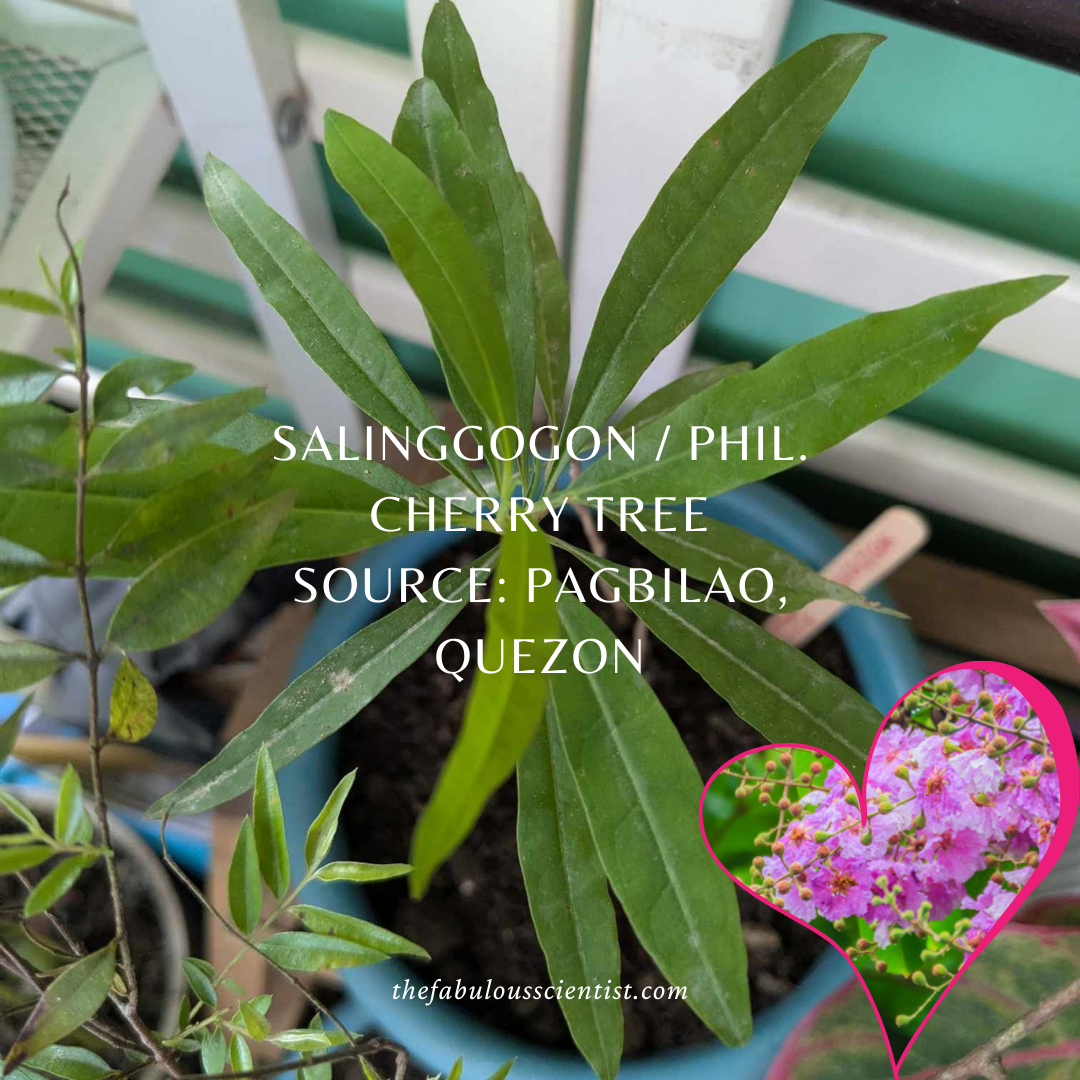
2. Salinggogon (Cratoxylum formosum):
Salinggogon is a native tree species in the Philippines. According to an article written by Spot.ph about this tree growing in Masungi Georeserve, this tree can grow up to 65 feet tall. It can be found in other tropical countries as well.
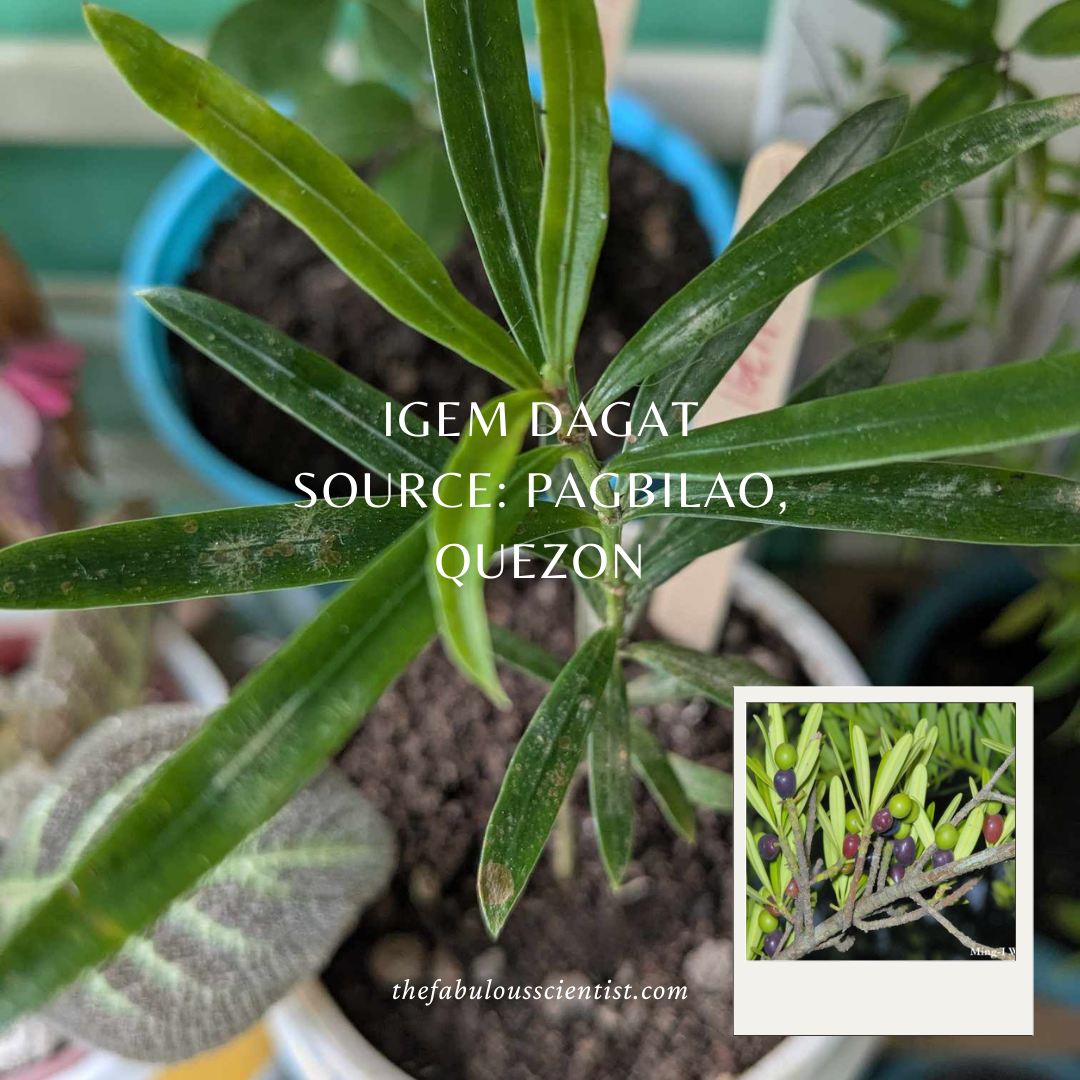
3. Igem Dagat:
I first came across Igem Dagat during a trip to Batanes, where these hardy, shrubby trees stood resilient against the province’s harsh weather. Their thick, waxy leaves help them withstand strong winds and salty air, making them a fascinating example of nature’s adaptability.Since Igem Dagat is classified as an endangered species, I was hesitant to get one at first. But the seller assured me that their stock came from legally permitted sources, grown from seeds rather than wild-collected specimens—which put my mind at ease.Now, I’m hoping to nurture these seedlings and, when the time is right, eventually plant them in our lot. Fingers crossed they thrive! 🌿✨
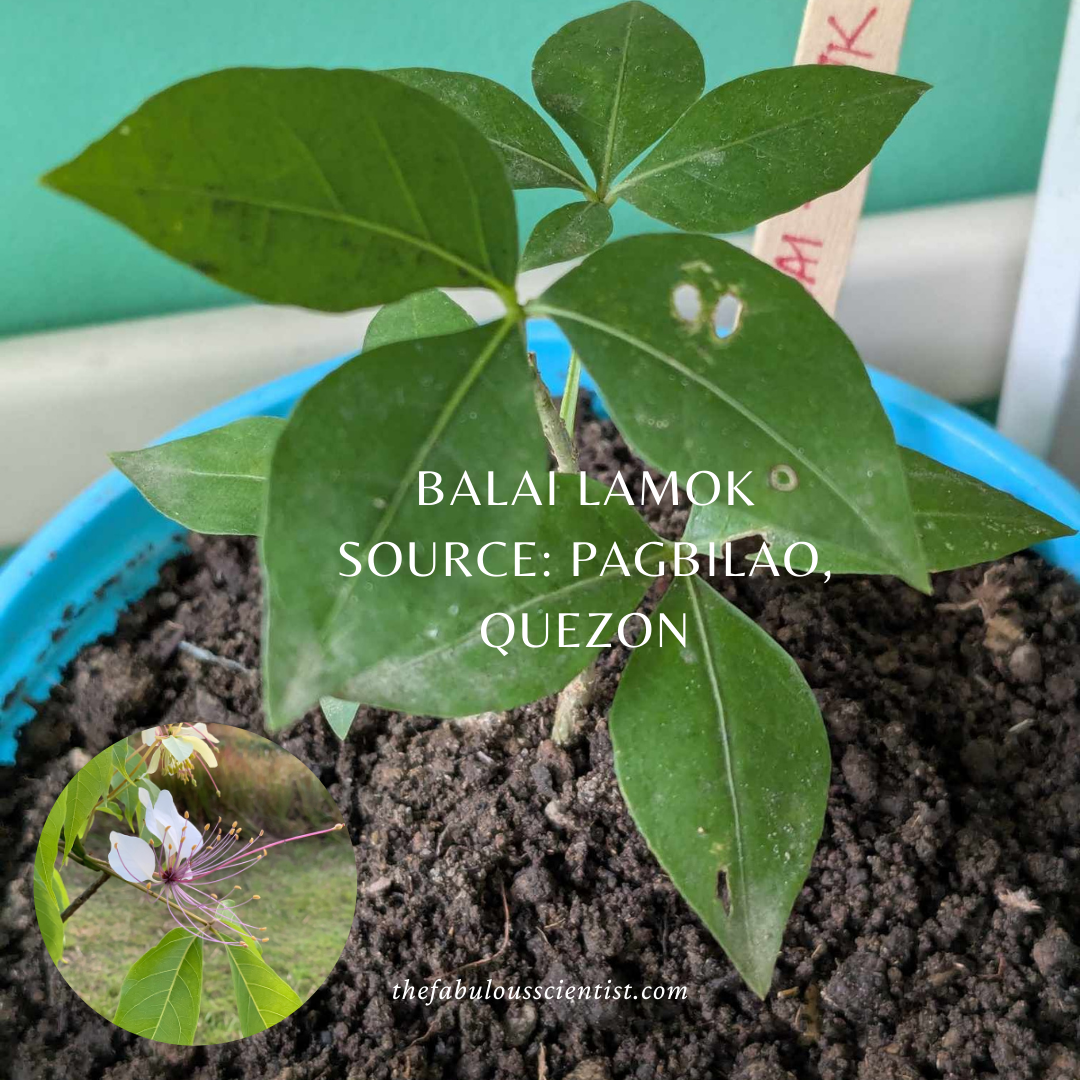
4. Balai Lamok (Crateva religiosa):
Also known as Salimbobog, Balai Lamok is celebrated for its beautiful blossoms, which some consider comparable to Japan’s sakura. The tree produces white flowers that eventually turn yellow, often shedding most of its leaves during blooming. The name “Balai Lamok” may refer to insects attracted to its blooms, though these are not actually mosquitoes.
For a visual reference, here’s a video showcasing the Patalsik Pula tree:
References:
- https://www.spot.ph/things-to-do/the-latest-things-to-do/104158/philippine-cherry-blossoms-salinggogon-at-masungi-in-rizal-a833-20230323?s=gvu3uamrifghuabc3e0gddo2jd
- https://www.stuartxchange.org/Patalsik
- https://www.instagram.com/arncyn/p/CY5eYhvv6mk/?img_index=1
Thank you for reading!
xoxo,
Grass
Discover more from The Fabulous Scientist
Subscribe to get the latest posts sent to your email.

 The Fabulous Scientist