Using Artificial Intelligence to Find Geothermal Energy
In my previous blog, I shared about the paper we recently published in an international journal. If you haven’t seen the blog post, here’s a snippet:
If you haven’t read the paper because you’re scared of reading jargons, no worries. This blog post is my attempt at explaining our study in layman. You might want to read the blog post for additional context though.
Our study discusses how we scientists are using a type of artificial intelligence (AI) called Convolutional Neural Networks (CNNs) to help find and understand geothermal energy resources. Imagine CNNs as super-smart computer programs that can learn to recognize patterns in images, just like our brains do. The CNNs are so smart that they are currently used as one of the algorithms for AI in self-driving cars (video below, at 1:40 time frame), photo tagging on social media, image search recommendations, among others.
In our study, we used CNNs to automatically rate the porosity (amount of openings/pores in rocks) and detect epidote minerals. The rating of porosity and detection of epidote help scientists find out if there are hot water underneath the earth – which is essential if you want to build a geothermal power plant to generate electricity.
Here are the steps we did:
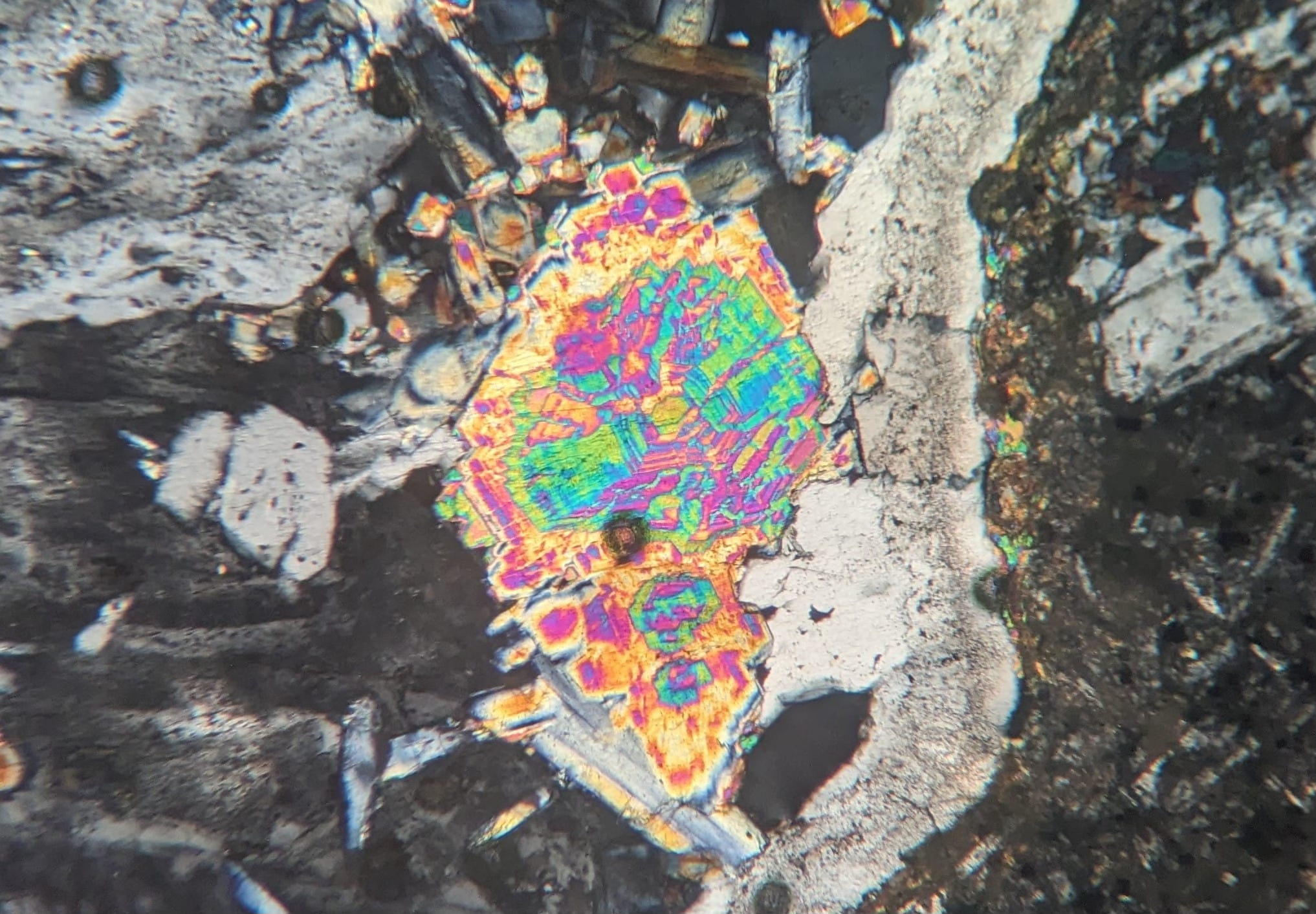
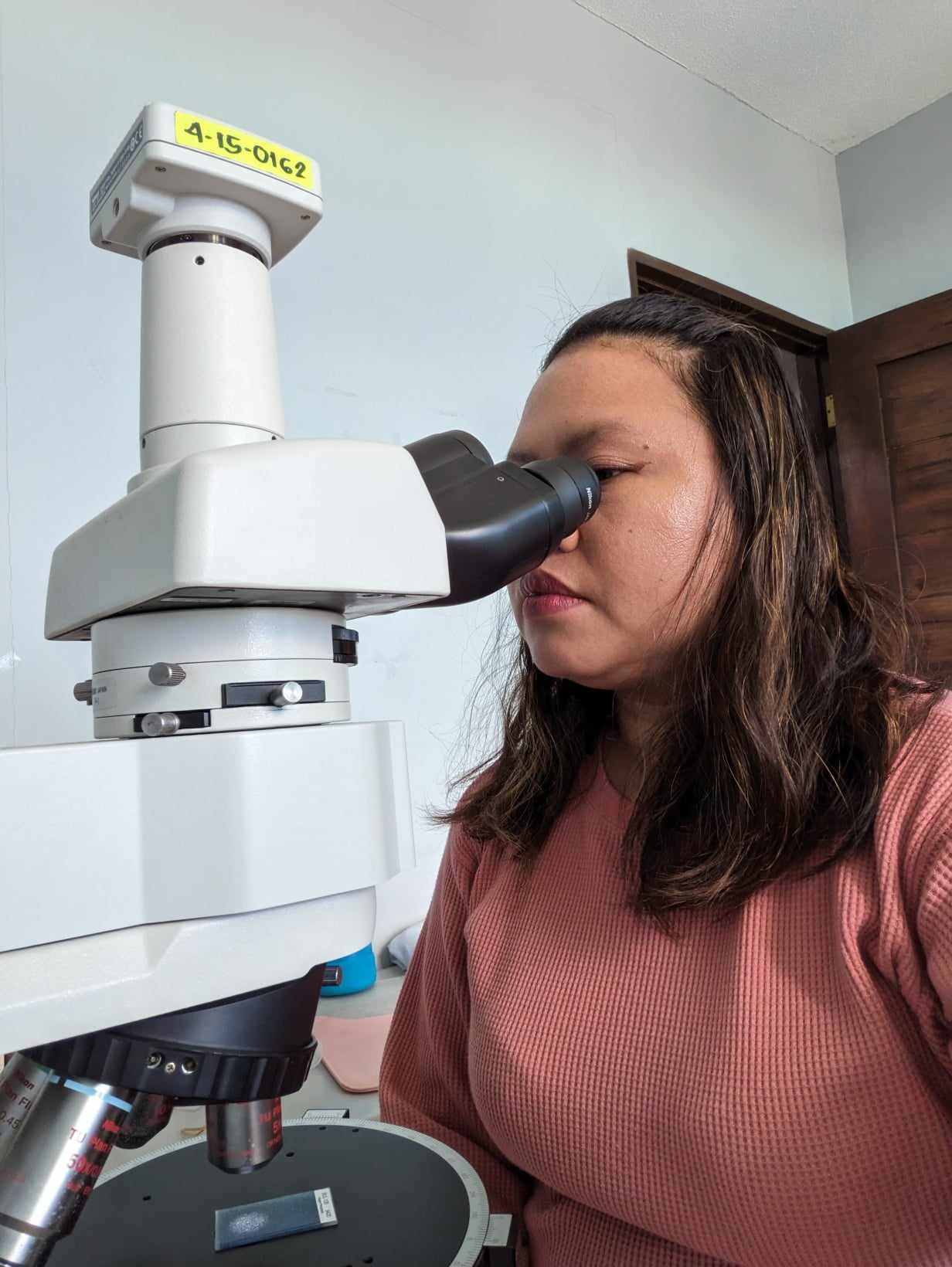
● We took pictures of rock samples: We collected rock samples from a geothermal company who hire laboratory technicians to make thin slices of them (as thin as a strand of your hair!). We borrowed these thin sections of rocks, analyzed using a microscope, then took pictures of them under the microscope. We call these pictures photomicrographs which are photos of rocks under the microscopes, in our study, each rock section was magnified 100 times.
● We trained the CNNs to recognize porosity: Porosity refers to the tiny spaces within rocks where geothermal fluids can flow. We want our rocks underneath to be porous enough so we could get some of these fluids to flow on the surface, convert into steam, and turn the turbines in power plants to generate electricity. We trained the CNNs to identify different levels of porosity by showing them lots of pictures of rocks with varying porosity. In machine learning and AI, we treat the algorithm like a young child being taught by parents how to recognize apple or orange for example by showing them lots of pictures of the two fruits. This way, when the child sees the actual fruits or see new pictures of them, he or she can be able to tell the fruits apart. You get me so far?
● We also trained the CNNs to find epidote: Epidote is a green mineral that often indicates the presence of hot geothermal fluids. We trained the CNNs to spot this mineral in the photomicrographs.
Why is our study important?
● Analysis of rocks can make finding geothermal energy easier and faster: Analyzing rock samples to assess porosity and identify minerals like epidote traditionally takes a long time. CNNs can analyze thousands of images in just minutes, which speeds up the process significantly.
● It can make the results more accurate: Traditional methods rely heavily on a geologist’s experience, which can sometimes lead to variations in interpretation. CNNs provide a more consistent and objective approach to analyzing the samples. We also want our fellow scientists in the future to be able to replicate our methods. Creating machine learning models to analyze rocks and classify them as trained automates the whole process and make it easily reproducible. Consistency in how scientists analyze rock samples is an essential part of scientific investigations for more accurate interpretation of our observations of the planet.
● This could lead to more geothermal energy being used: Geothermal energy is a clean and sustainable source of power that can help reduce our reliance on fossil fuels and combat climate change. If we know where to find our geothermal resource, we can reduce the use of fossil fuels. Investigating the characteristics of rocks underneath (porosity for example) and the minerals that indicate presence of hot fluid (like epidote) can help scientists identify the geothermal resource and make recommendations for further analysis to identify the extent of this renewable resource. When we know the extent of our geothermal resource, we also know how much electricity we can produce and how we can maintain it in the best way possible with minimal impact to the environment. Geothermal resource is a gift from Mother Nature – we should be responsible stewards of this gift.
What does this mean for the future?
The research is a small leap in integrating AI into geothermal research. We now know, from the results of our study, that CNNs and other machine learning models have great potential in geothermal exploration. By making geothermal exploration more efficient and accurate, CNNs can help unlock this valuable resource and contribute to a cleaner and more sustainable future.
Hope you enjoyed reading this one.
xoxo,
Grass
Discover more from The Fabulous Scientist
Subscribe to get the latest posts sent to your email.

 The Fabulous Scientist