
Birdwatching, also known as birding, is the observation and study of birds in their natural habitats. Birdwatchers, or birders, engage in this activity for various reasons, including enjoyment of nature, appreciation of avian diversity, scientific research, and conservation efforts.
Birdwatching typically involves observing birds through binoculars or spotting scopes, often accompanied by field guides to help identify different species. Birders may visit a variety of habitats, such as forests, wetlands, grasslands, and coastal areas, to observe different bird species. They may also participate in organized birdwatching events, join birding clubs or societies, and contribute to citizen science projects by reporting bird sightings.
Birdwatching is a popular hobby worldwide, attracting people of all ages and backgrounds. It offers opportunities for outdoor recreation, education, and community engagement, while also contributing valuable data to our understanding of bird populations and their habitats.
When presented with the opportunity to join my labmates from the institute for a birdwatching excursion, I went for it without thinking twice, driven by my perpetual curiosity and the educational benefit it would offer my children. On the morning of March 2nd, our entire family rose early, heeding the advice of our seasoned birding guide who informed us that the prime birdwatching hours are typically between 5 AM and 8 AM. Our chosen route wound through the paths nestled amidst the trees surrounding the College of Science complex.
Equipped with binoculars lent to us by our guide, we heeded further advice to dress inconspicuously in attire of natural hues such as brown, green, and black. Here, I proudly present a video compilation capturing the essence of our inaugural birdwatching adventure.
The log provided by our birding guide serves two essential purposes: firstly, to document our birdwatching experiences for future reference, and secondly, to ensure we remember the avian species we encountered during our excursion. Additionally, it reaffirms that the UP Diliman campus is an excellent location for novice birdwatchers like ourselves to explore and appreciate the diverse birdlife in our midst.

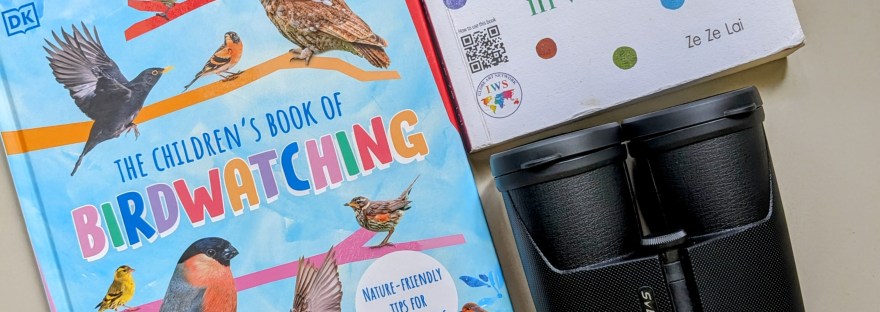
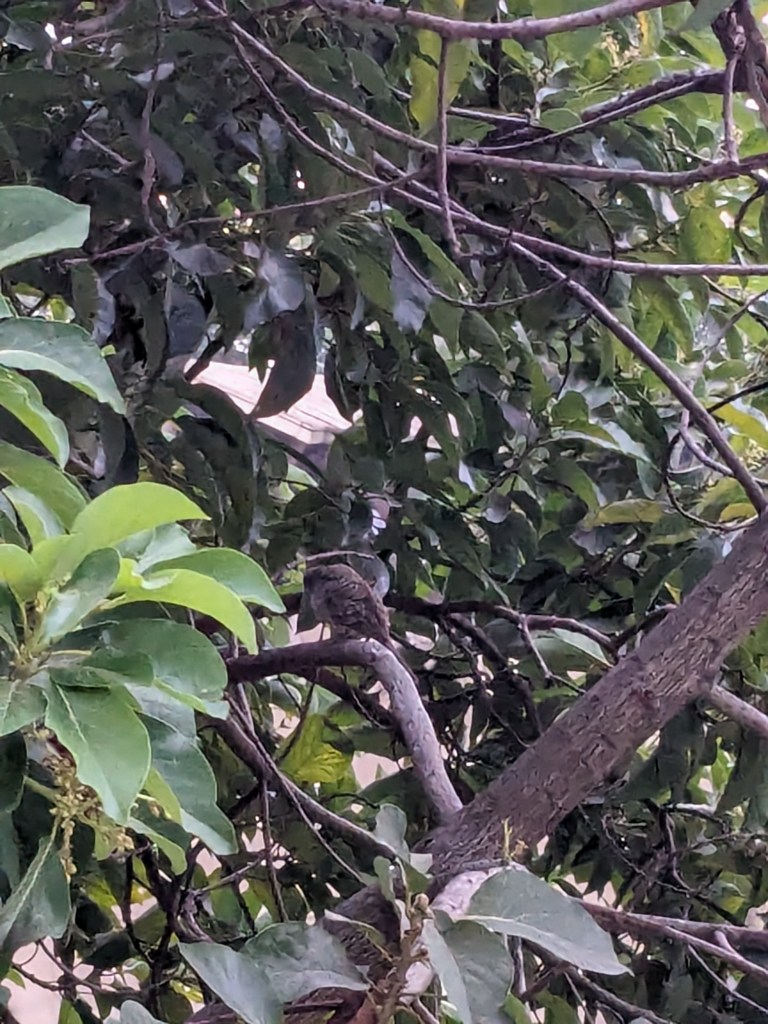
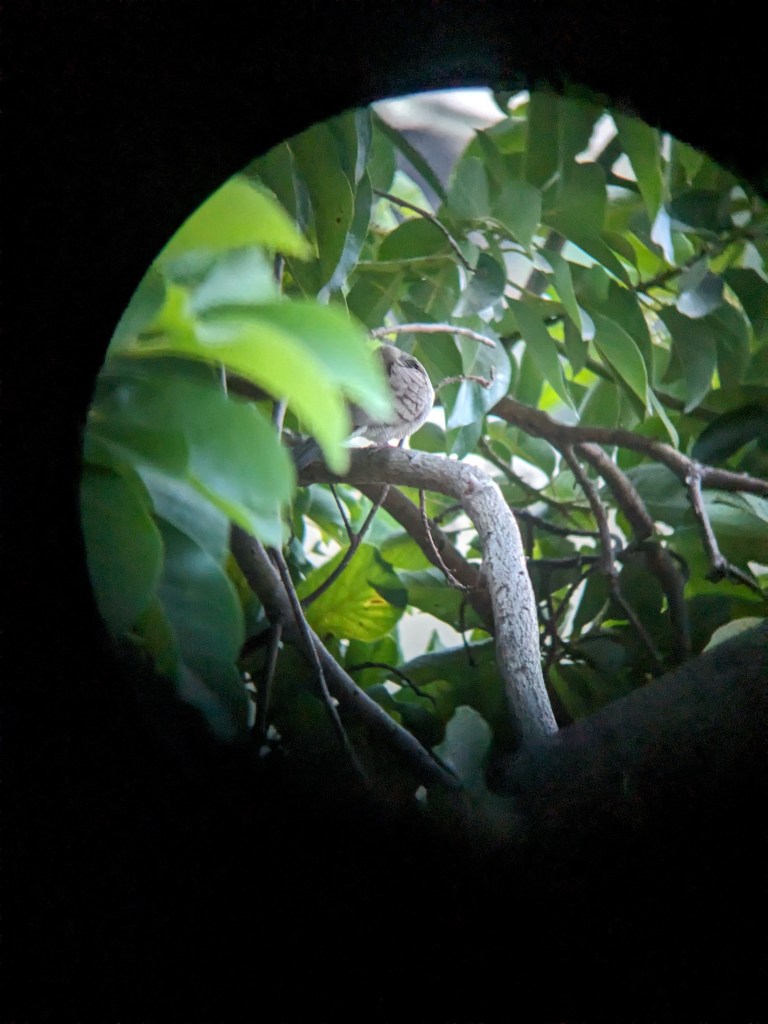
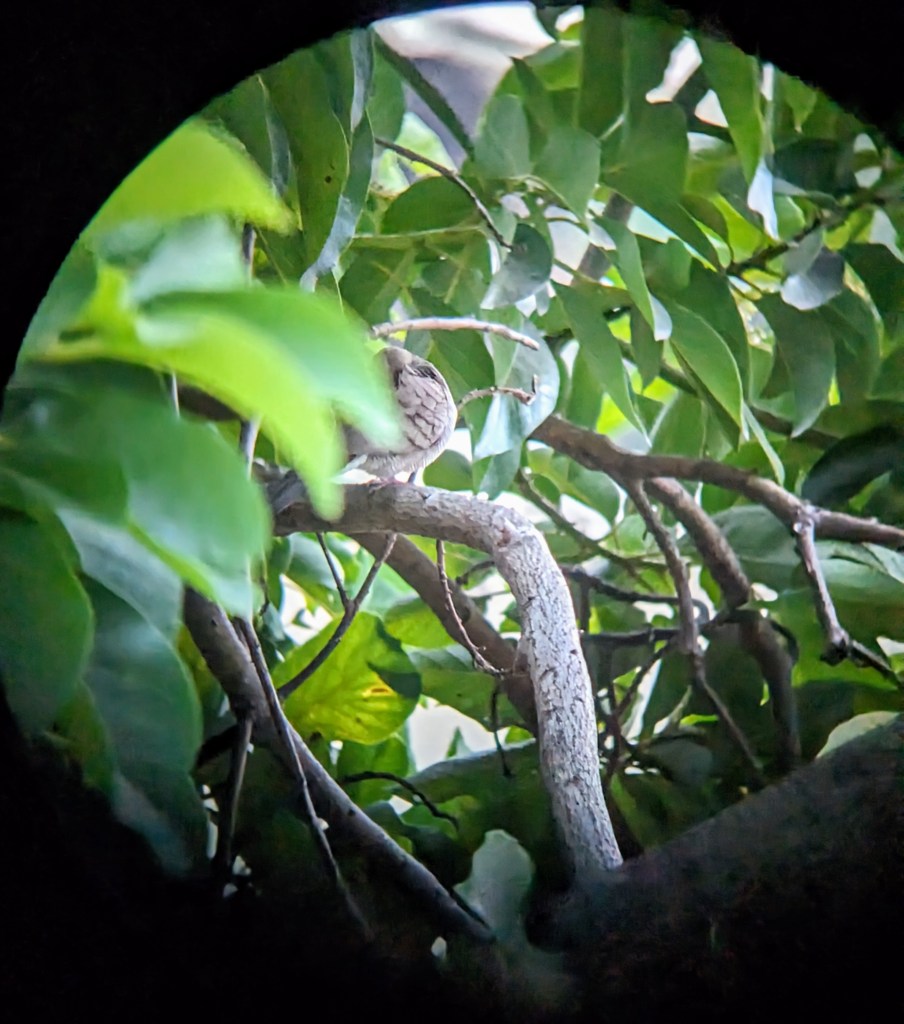
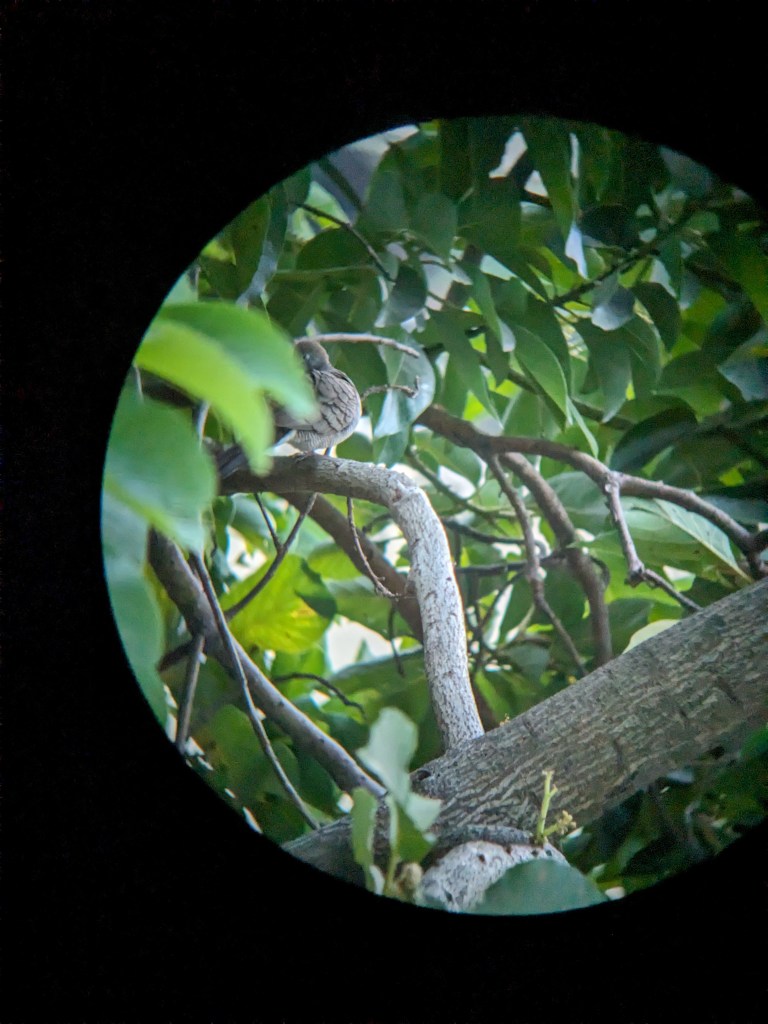
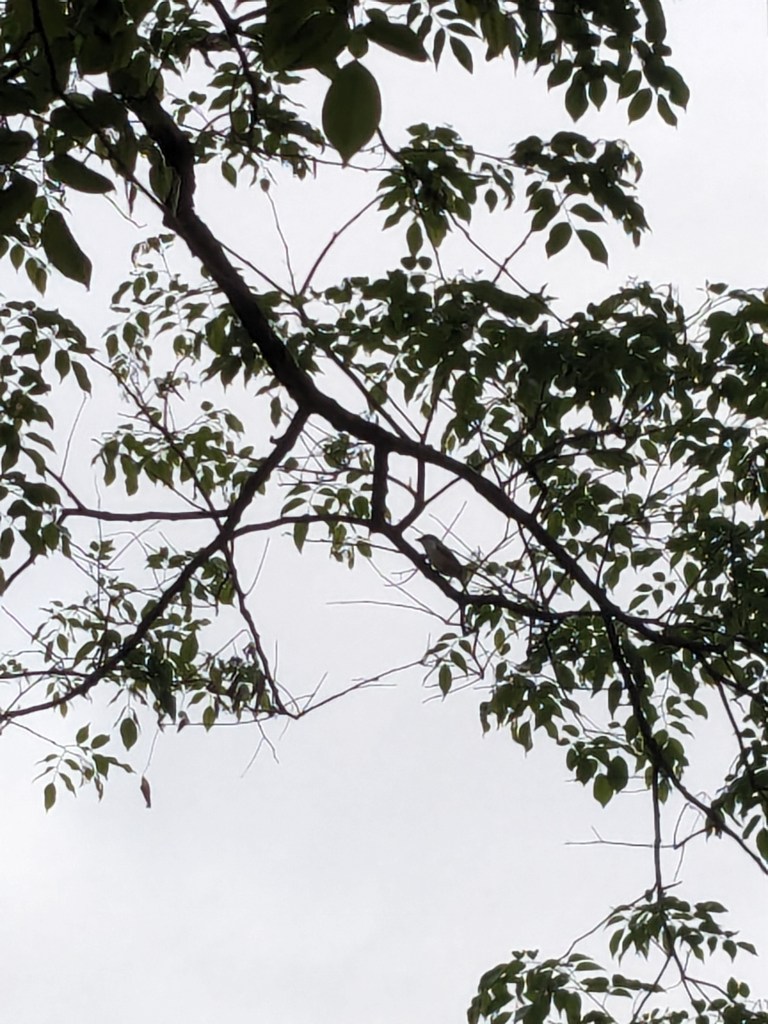
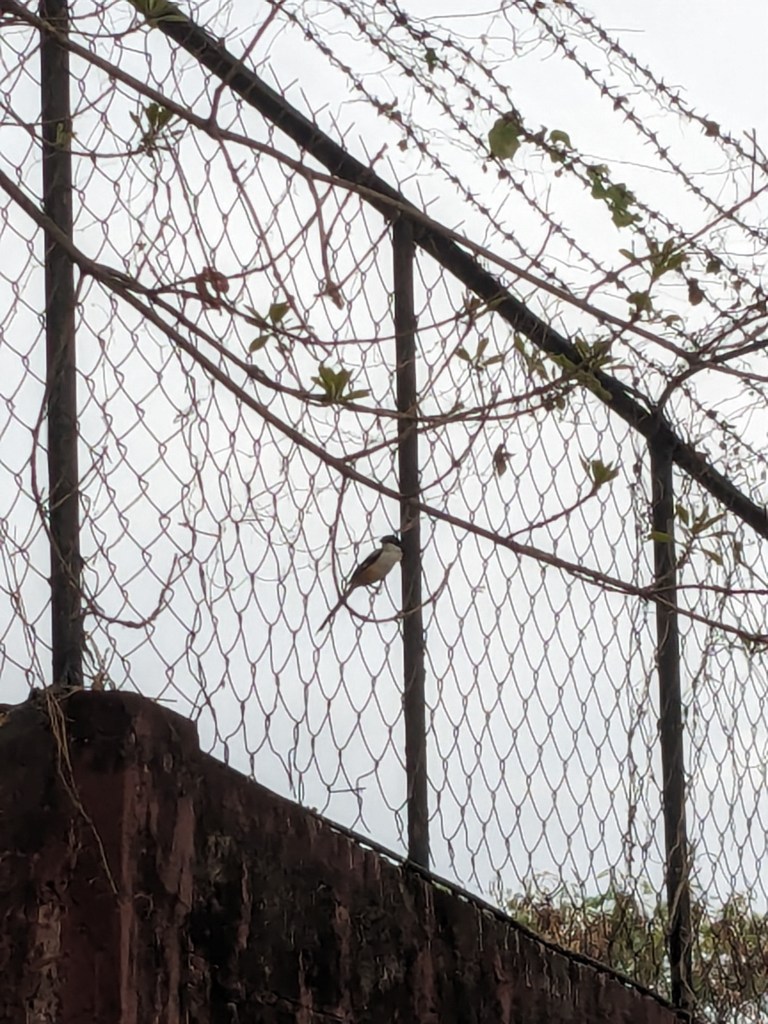
I observed the children’s excitement every time they spotted birds perched on the tree branches. These weren’t the typical birds we glimpse outside our windows, which inspired me to enhance their interest further. To nurture their curiosity, I purchased a birdwatching book for them. Additionally, I invested in two pairs of binoculars that we could share, ensuring we continue to explore and enjoy this hobby together. Below are photos of birds I spotted on my recent walks and outside our window – the first one is a Zebra dove while the one perched on a chicken wire fence is a Philippine pied fantail.
Discover more from The Fabulous Scientist
Subscribe to get the latest posts sent to your email.

 The Fabulous Scientist
Birds are beautiful critters ☺️ it’s so nice to wake up to the sounds before traffic takes over!
LikeLiked by 1 person
That’s so true. I’m happy we live near UP campus so that we can do the activity anytime!
LikeLiked by 1 person
That’s brilliant! Do they enjoy gardening too? It is very satisfying watching things grow 😄
LikeLiked by 1 person
We used to do hydroponics in our condo unit during the pandemic because of limited space. My youngest son especially enjoys planting. ❤
LikeLiked by 1 person
That’s brilliant ☺️ I suppose it’s also a good way of learning. Hands on is always the best!
LikeLike