Since I got into watercolors, I have often wondered how it would be like to be a curator of a museum – the type that displays different artworks from different centuries. I imagine staring at each piece in admiration as I am handed each – be the lucky person to see it first before everyone does. I would prolly try to imagine the air temperature, the sound, the smell, and the ambient light that immersed the artist while working on his or her piece.
Well, I just got accepted to be the research associate in my university, assigned to take care of our geology museum. While our museum does not display paintings, sculptures, or modern art installation, working in one does feel like I am taking care of artworks just the same. Our museum displays specimens that Mother Nature has molded herself. Every rock and fossil displayed in our museum has a story of their own origin, movement, and final deposition or resting place.
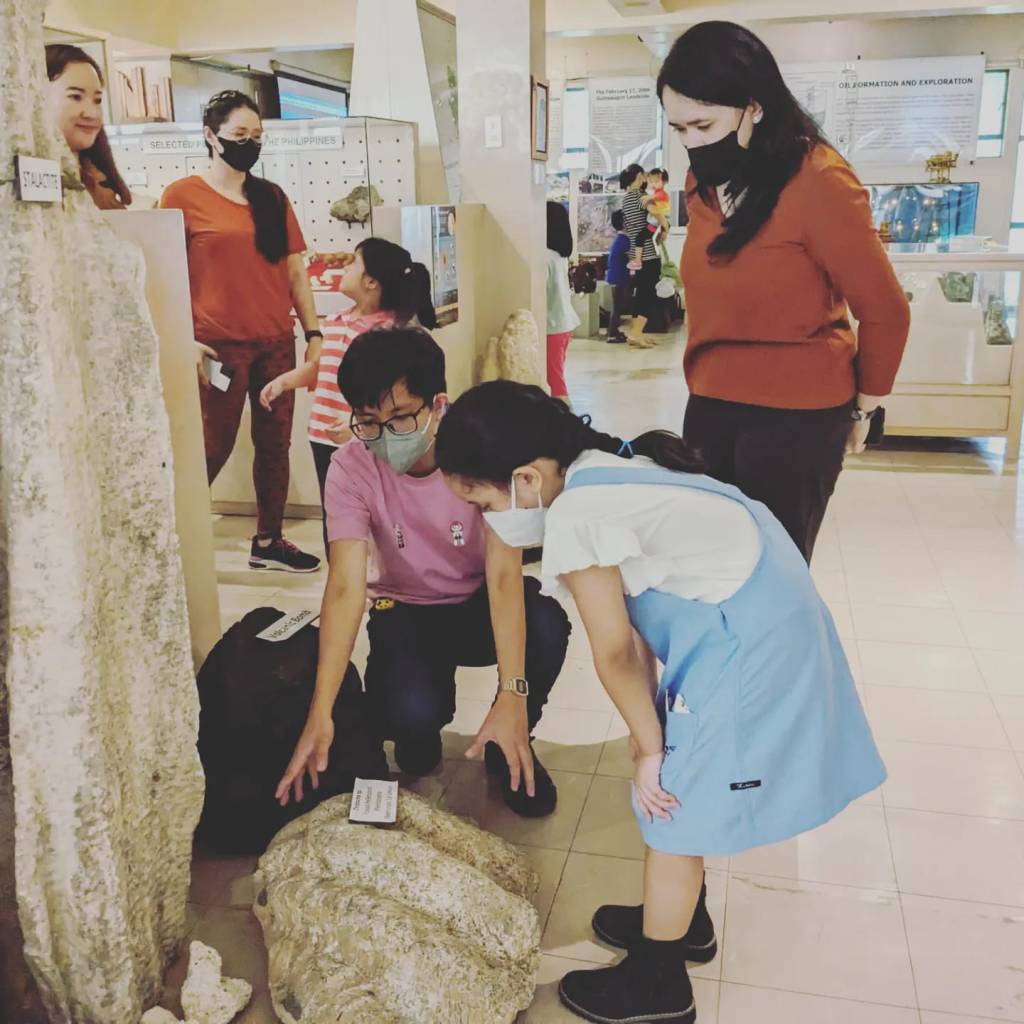
Since I got hired to take care of our geology museum, I have curated samples, books, and tools for the museum as part of improvement. The museum was not visited for two years due to the pandemic so cleaning all surfaces became my priority. It is surprising that in the two years that it was closed to the public, the display boxes accumulated so much dust and the labels have deteriorated. Once the museum was wiped down, I then started promoting it to the public by posting everyday on the official Facebook page. I became the museum’s instant Social Media Manager as well and this was how the things I learned from my social media management training became useful. Here’s the recent visit of my son, Ian, which I posted in our Facebook Page as one of my attempts at promoting the kid-friendly section of the museum. After posting about Ian’s visit, our museum page’s engagement rate skyrocketed that we received so many inquiries about how to visit. Out of these queries we successfully scheduled guided tours. The guided tours are facilitated by docents who are considered experts of the section they were assigned to. Kids are given brief and easy-to-understand explanations while students of Geology are given more detailed and technical explanation about the specimens. Thus, a docent’s spiel is varied depending on the type of visitors.
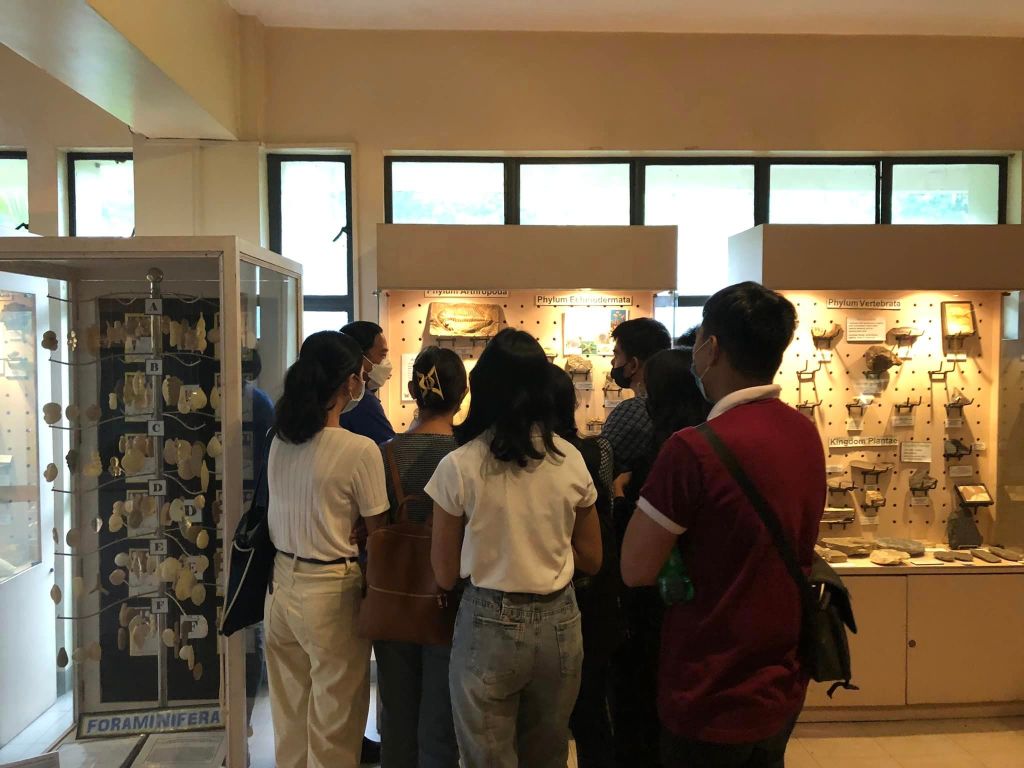
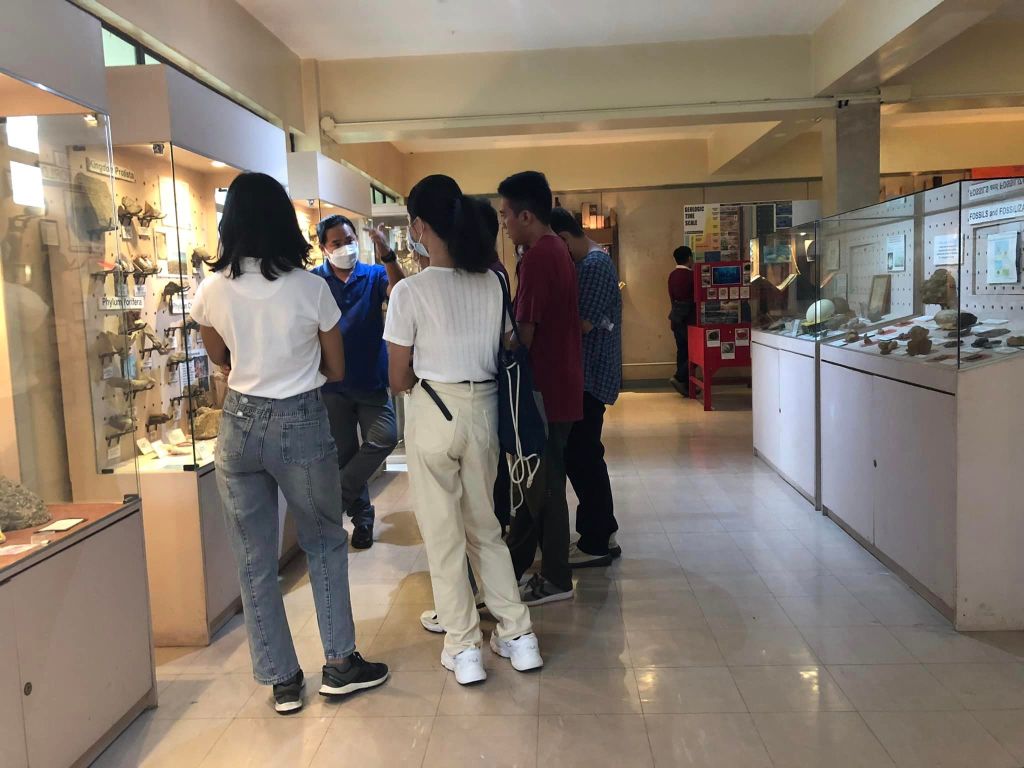
The museum, since it’s soft opening this year post-pandemic, has been visited by homeschoolers, university students, and UP alumni members. Here are photos of the homeschoolers who recently visited us:



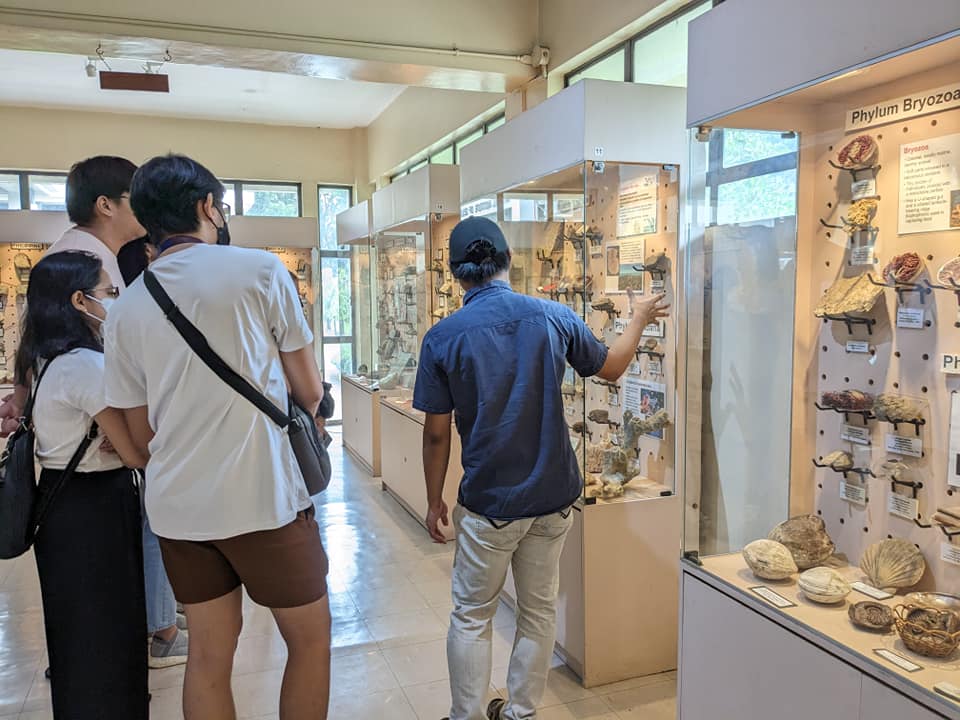
We’ve also had Geology undergraduate students from Caraga State University and Adamson University:




As part of our our vision to improve and upgrade the museum, despite its humble size, we have added new specimens, books, microscopes, and even toys in order to make our guests’ visit interactive and an enjoyable one. Here are just some of the new items we have added in our museum:
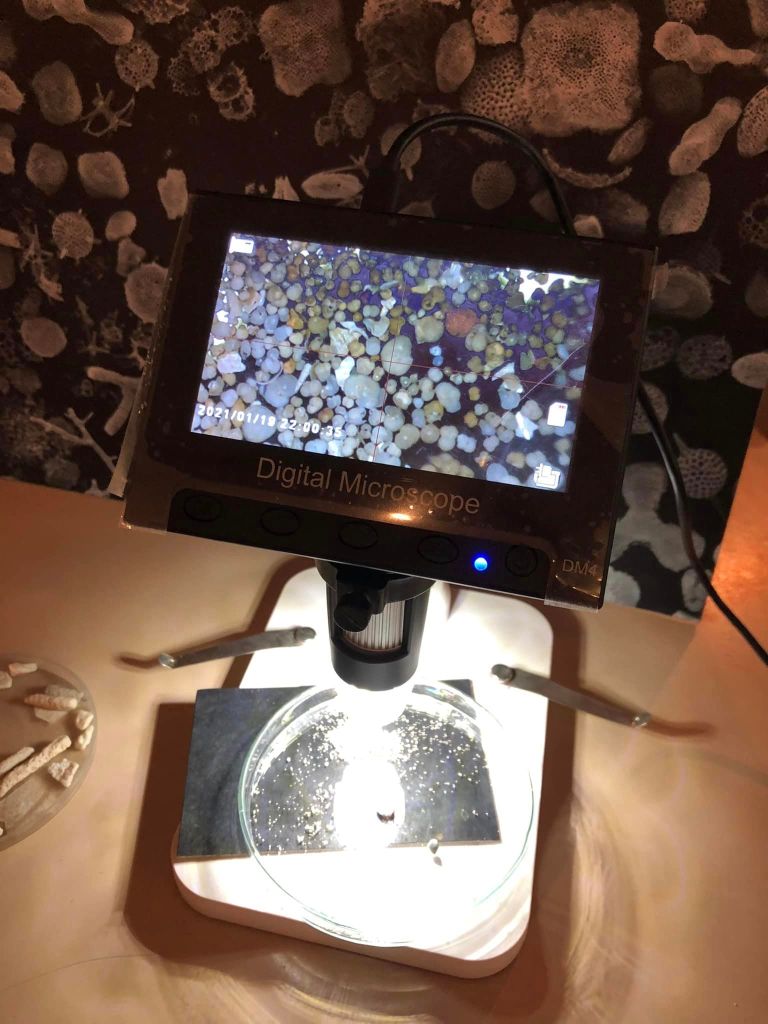


These electronic display microscopes are portable ones that magnify sand-sized grains by as much as 100x, even more. These display microscopes were purchased by Paleontology professors in the institute during the lockdown so that students will be able to look at sediments and identify individual components on the fields and at home since the laboratories were closed at the time. These microscopes were then donated to the museum so that visitors will get to see the microscopic fossils, minerals, and other grains that can be present in sediments and in rocks.
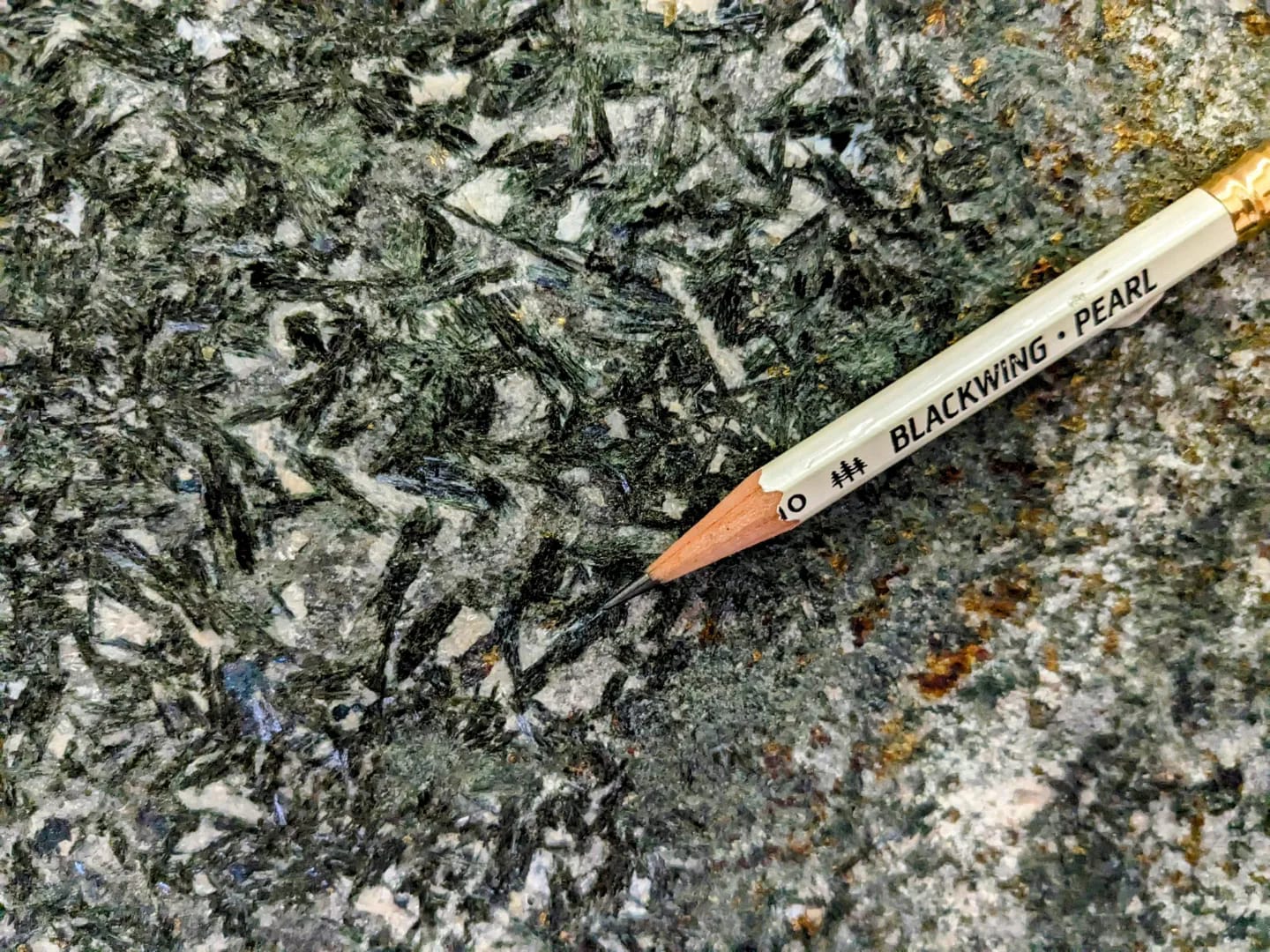
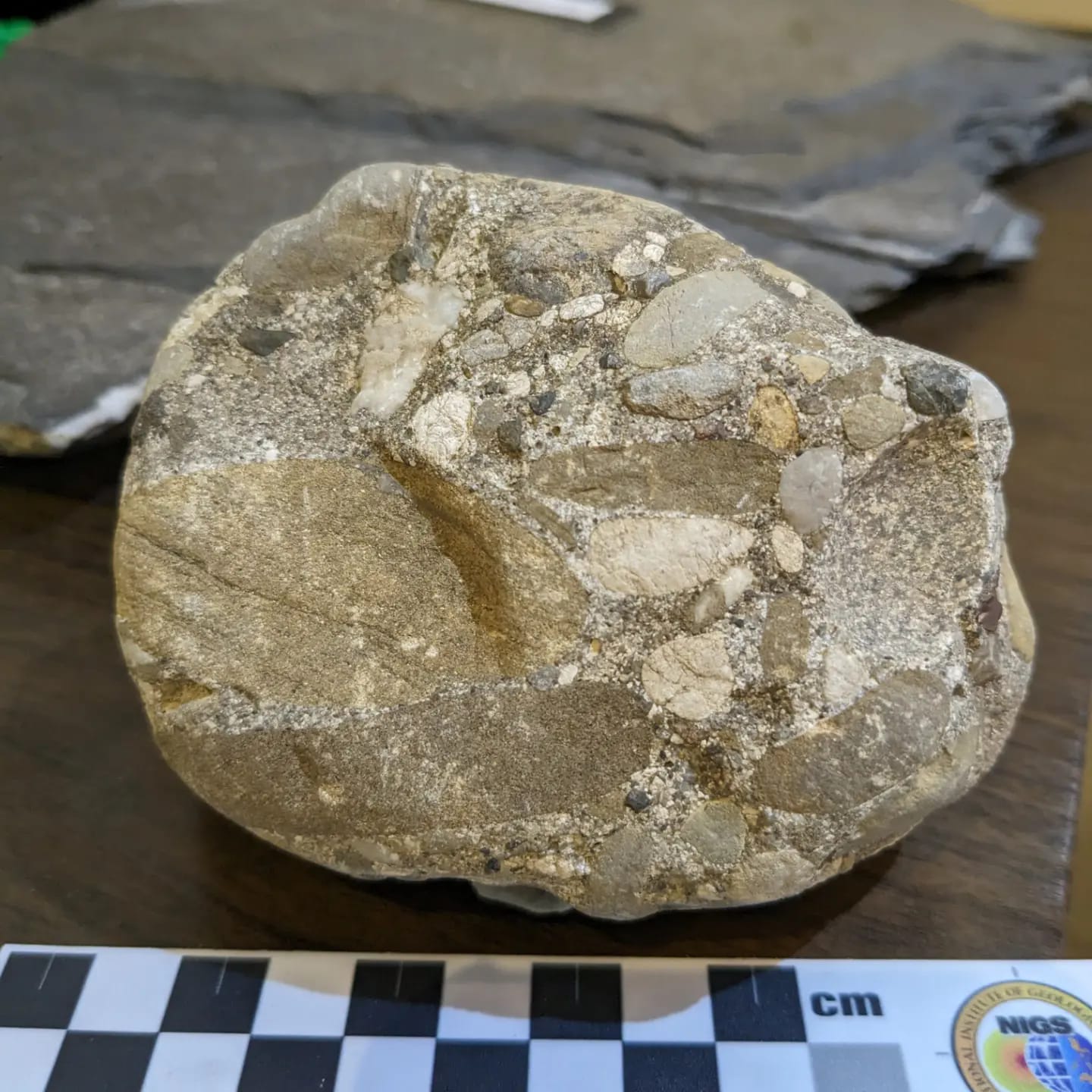
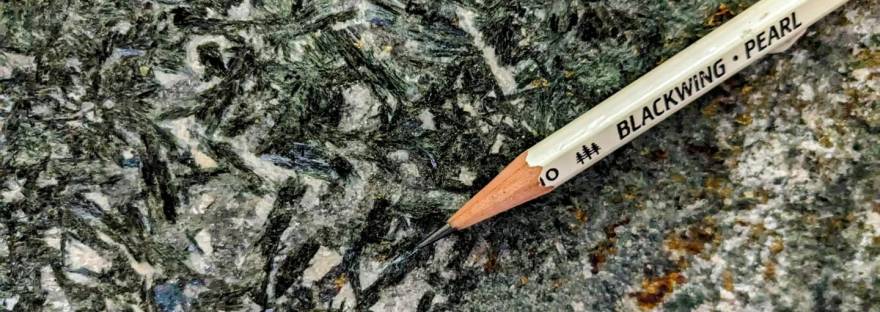
These are photos of the two recent additions we have in the museum. The photo on the left is a close-up of an ore with well-formed actinolite minerals. The photo on the right is that of a tillite sample we recently received from a Filipina geologist based in Switzerland. We don’t have tillite in the country as this type of rock only forms in glacial environments.
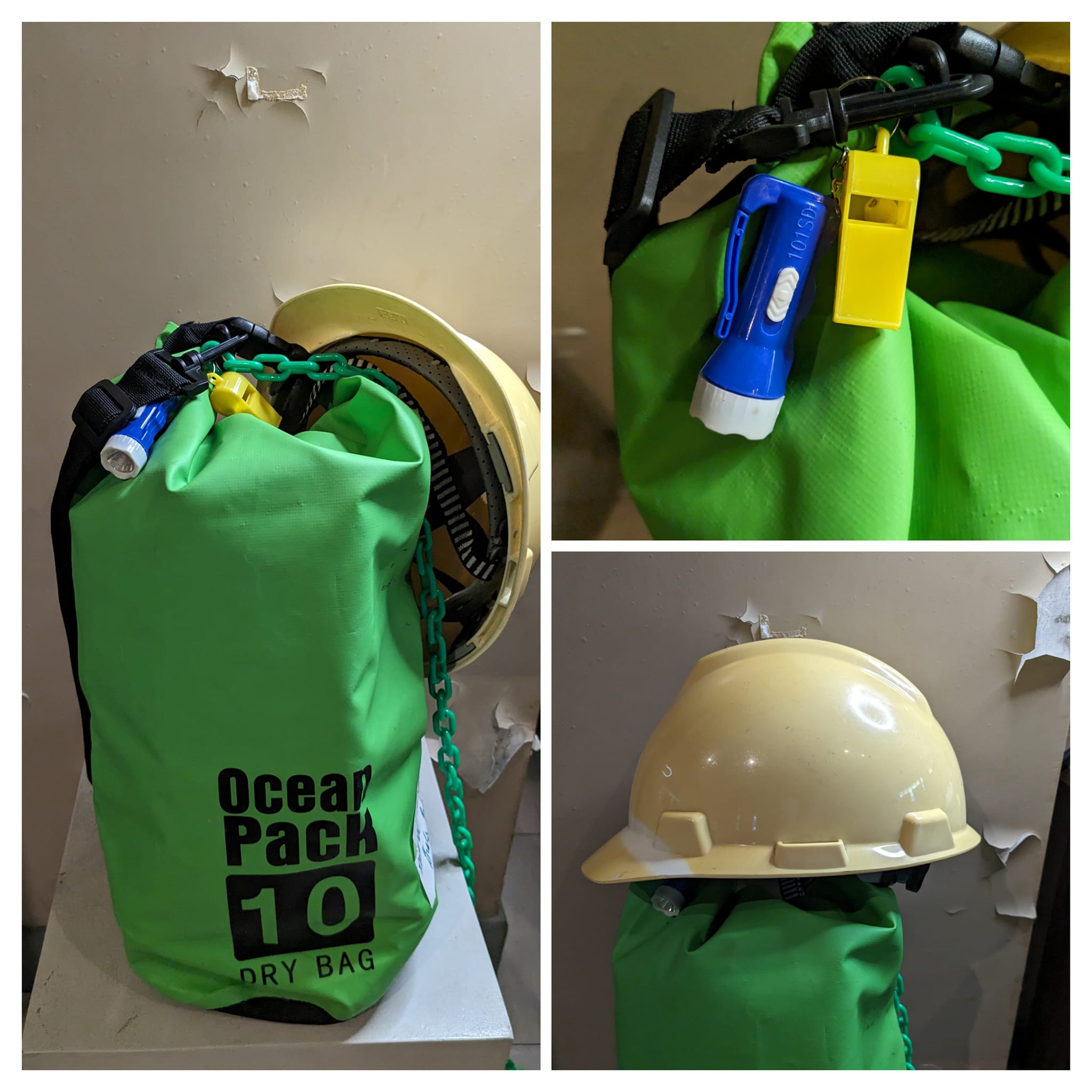
The most recent addition we have in the museum is this Disaster Go Bag that I have personally assembled. All the items including the bag are mine. I lent this bag to the museum primarily to inspire the guests to also build one for themselves – the country being a disaster-prone area. I have also written an extensive list of Go Bag essentials in my blog, link below:


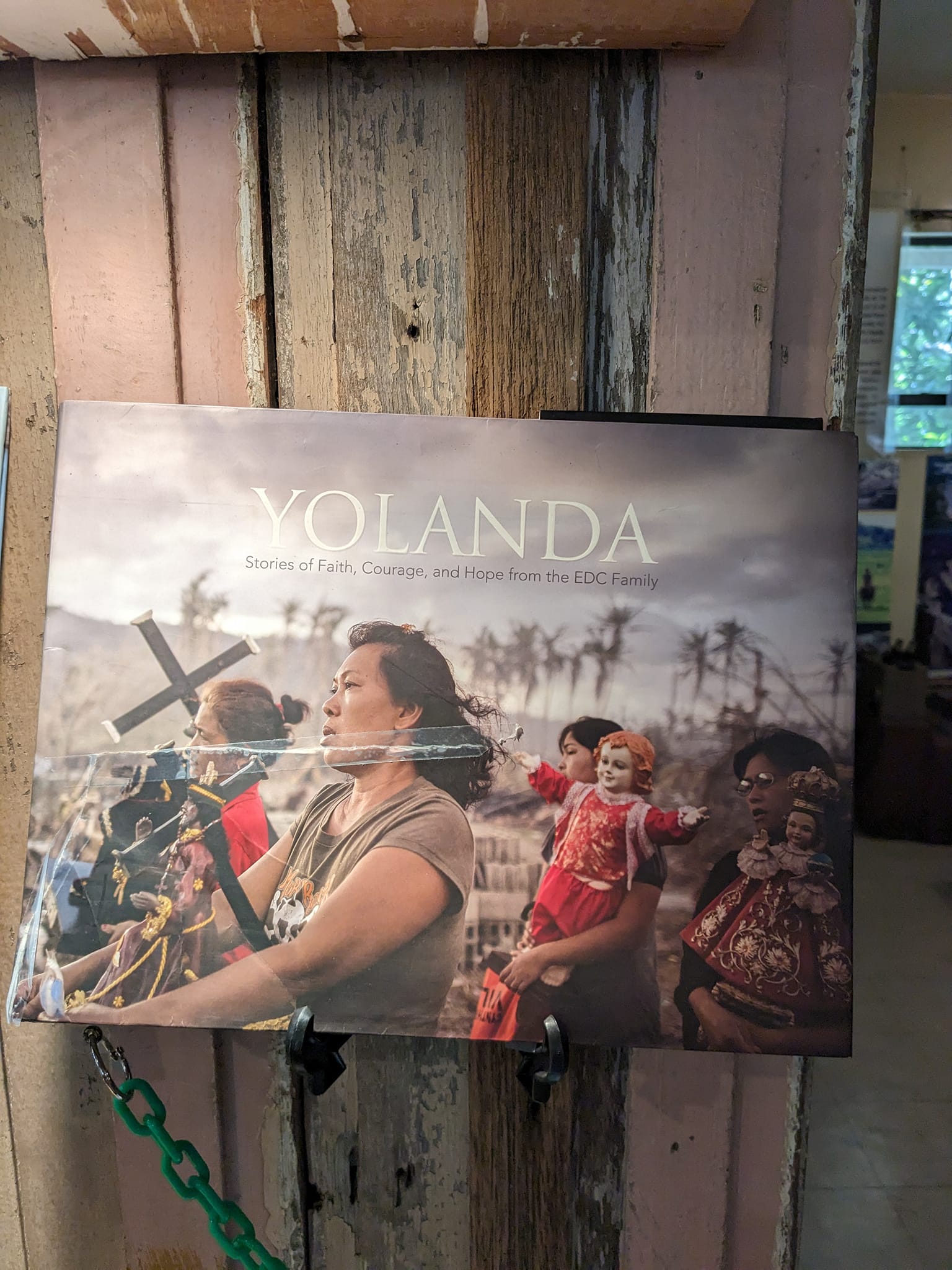
We have also added books in the museum so that our bookworms and researchers can use them as references. These books were strategically positioned in sections they are most connected to. For example, we put the Isles of Gold book (center) which is about the history of mining in the Philippines on top of a display box containing metalliferous ore samples. The book about Typhoon Yolanda (right), a personal property, is displayed near the section where geologic hazards are discussed. The book by National Museum (left) about prehistoric fossils in the Philippines is positioned near the section on fossils.
If you would like to visit our museum, do message us at our Facebook page and Instagram account:
https://www.facebook.com/nigsupgaamuseum
https://www.instagram.com/upnigsmuseum/
Discover more from The Fabulous Scientist
Subscribe to get the latest posts sent to your email.

 The Fabulous Scientist
1 thought on “My Current Job as Curator (For a Geology Museum)”